
Refinery Maintenance in Venezuela: Challenges, Solutions, and Opportunities
Talk to us about this service
Trade, import, logistics, sourcing — whatever you're planning, the fastest way to a quote is a WhatsApp message. Our team replies during Lagos business hours.
WhatsApp usYour message tells us which page you came from
Refinery maintenance in Venezuela has become a critical issue shaping the country’s oil sector and broader economic recovery. Despite holding the world’s largest proven oil reserves, Venezuela’s refining capacity has declined significantly due to years of underinvestment, operational inefficiencies, and limited access to technical resources.
For businesses involved in energy, logistics, and global trade, understanding the state of refinery maintenance in Venezuela is essential for evaluating supply risks, sourcing strategies, and long-term opportunities.
The Current State of Refinery Maintenance in Venezuela
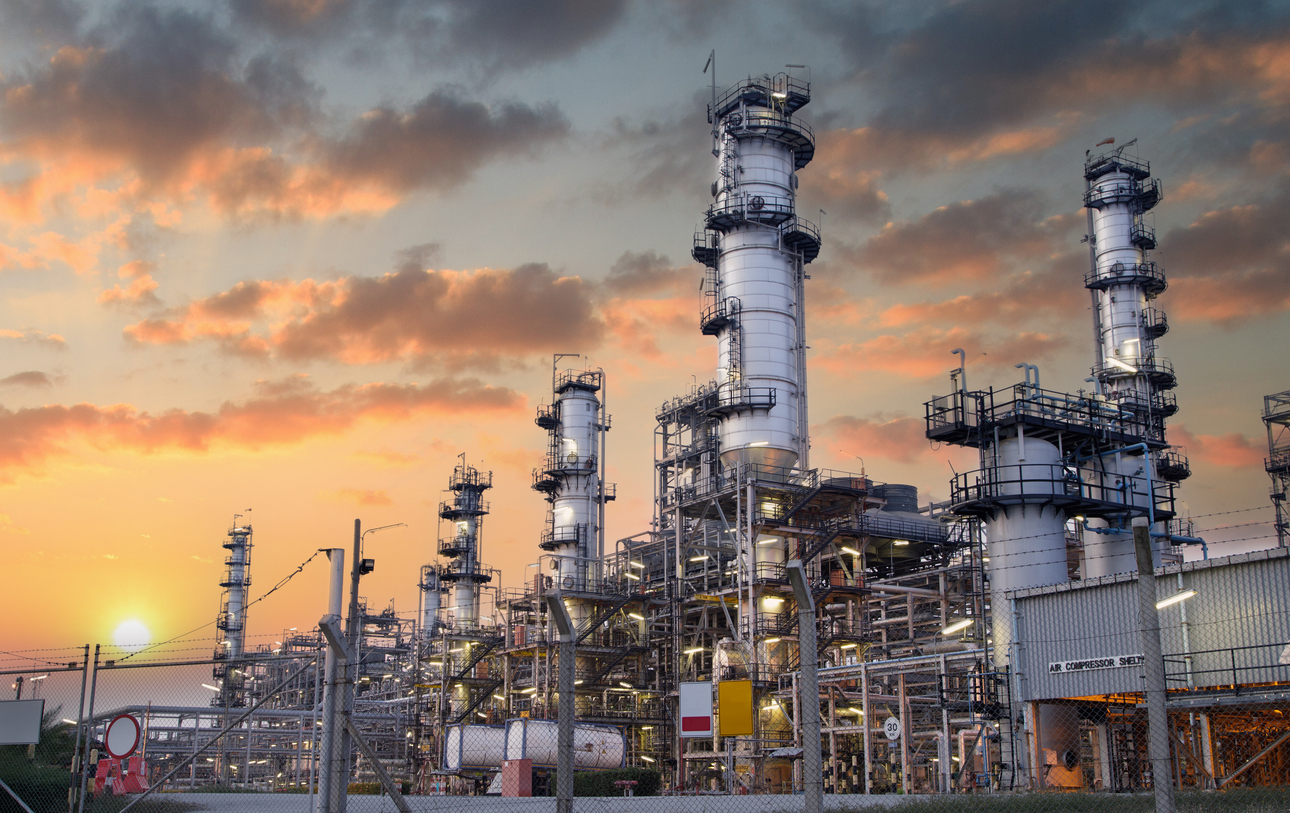
Venezuela’s refining infrastructure—once among the largest in the Western Hemisphere—now operates well below capacity. Many facilities face recurring shutdowns, outdated equipment, and insufficient maintenance practices.
Key Issues Affecting Refinery Maintenance
- Aging infrastructure: Many refineries were built decades ago and have not undergone consistent upgrades.
- Limited preventive maintenance: Maintenance is often reactive rather than planned, increasing the risk of breakdowns.
- Shortage of spare parts and catalysts: Supply chain disruptions restrict access to essential components.
- Workforce challenges: Loss of skilled engineers and technicians has weakened operational efficiency.
As a result, refining output has become inconsistent, contributing to domestic fuel shortages and reduced export capacity.
Why Refinery Maintenance Has Declined
1. Chronic Underinvestment
For over a decade, capital expenditure on maintenance and upgrades has been insufficient. This has led to equipment deterioration and reduced system reliability.
2. Sanctions and Trade Restrictions
International sanctions have limited Venezuela’s access to equipment, financing, and technical partners, making routine maintenance more difficult.
3. Operational Mismanagement
Inefficient maintenance planning and delayed interventions have accelerated infrastructure degradation, particularly in major refining complexes.
4. Supply Chain Disruptions
Refinery operations depend heavily on imported components and chemicals. Disruptions in global trade have made sourcing these inputs increasingly challenging.
Operational and Environmental Risks
Poor refinery maintenance has significant consequences beyond reduced output.
Equipment Failures and Shutdowns
Frequent breakdowns disrupt production schedules and create bottlenecks across the supply chain.
Environmental Hazards
Oil spills and leaks—often linked to poorly maintained infrastructure—pose serious environmental risks and regulatory challenges.
Logistics Inefficiencies
Inconsistent refining capacity leads to reliance on fuel imports and blending, increasing costs and complicating distribution networks.
Opportunities for Rehabilitation and Investment
Despite these challenges, refinery maintenance in Venezuela presents long-term opportunities for investors, suppliers, and logistics partners.
Infrastructure Rehabilitation
Rehabilitating existing refineries is more feasible than building new facilities. With sufficient investment, current infrastructure could support increased production.
Demand for Equipment and Services
There is growing demand for:
- Industrial spare parts
- Maintenance chemicals and catalysts
- Engineering and technical services
- Monitoring and automation systems
International Partnerships
Recovery of the sector will depend on collaboration with global companies capable of providing expertise, financing, and supply chain support.
How Efficient Supply Chains Support Refinery Maintenance in Venezuela
Reliable supply chains are central to improving refinery maintenance outcomes. This includes:
- Timely sourcing of critical components
- Efficient logistics and shipping solutions
- Compliance with international trade regulations
- Access to verified global suppliers
Companies operating in Africa, Europe, and the Middle East can play a key role in bridging supply gaps for Venezuela’s refining sector.
Wigmore Trading supports businesses by facilitating sourcing, procurement, and logistics across complex international markets. With expertise in global trade and distribution, companies can better navigate supply constraints and ensure consistent delivery of maintenance-critical materials.
Best Practices for Refinery Maintenance in Emerging Markets
Lessons from Venezuela highlight several best practices applicable across oil-producing regions:
- Adopt preventive maintenance strategies to reduce downtime
- Diversify supplier networks to mitigate sourcing risks
- Invest in workforce training to maintain technical expertise
- Leverage international logistics partners for reliable supply chains
- Implement modern monitoring systems for predictive maintenance
These approaches are essential for maintaining operational efficiency in challenging environments.
Conclusion
Refinery maintenance in Venezuela remains a major barrier to unlocking the country’s full oil potential. Aging infrastructure, limited investment, and supply chain constraints have significantly reduced refining capacity and reliability.
However, with targeted investment, improved maintenance strategies, and strong international partnerships, there is a clear path toward recovery. Businesses that understand these dynamics—and can support efficient sourcing and logistics—will be well positioned to participate in the sector’s long-term growth.
Wigmore Trading can help. Contact Wigmore Trading today to streamline your sourcing.
No Comments Yet.

Comments are closed.