
Understanding Self Defence Tools in Nigeria: Legal Options and Practical Use
Talk to us about this service
Trade, import, logistics, sourcing — whatever you're planning, the fastest way to a quote is a WhatsApp message. Our team replies during Lagos business hours.
WhatsApp usYour message tells us which page you came from
Personal safety remains a growing concern for individuals and businesses across Nigeria, particularly in urban centres and commercial hubs. As a result, interest in self defence tools in Nigeria has increased, especially among professionals, logistics operators, and individuals working in high-risk environments.
This article provides a clear, practical overview of commonly used self-defence tools, their legal considerations, and how businesses can approach safety responsibly within Nigeria’s regulatory framework.
What Are Self Defence Tools in Nigeria?
Self-defence tools are non-lethal or low-risk devices designed to help individuals deter threats, escape dangerous situations, or alert others during emergencies. In Nigeria, the emphasis is typically on tools that prioritise deterrence and personal safety rather than harm.
Common categories include:
- Personal alarms
- Pepper spray (where permitted)
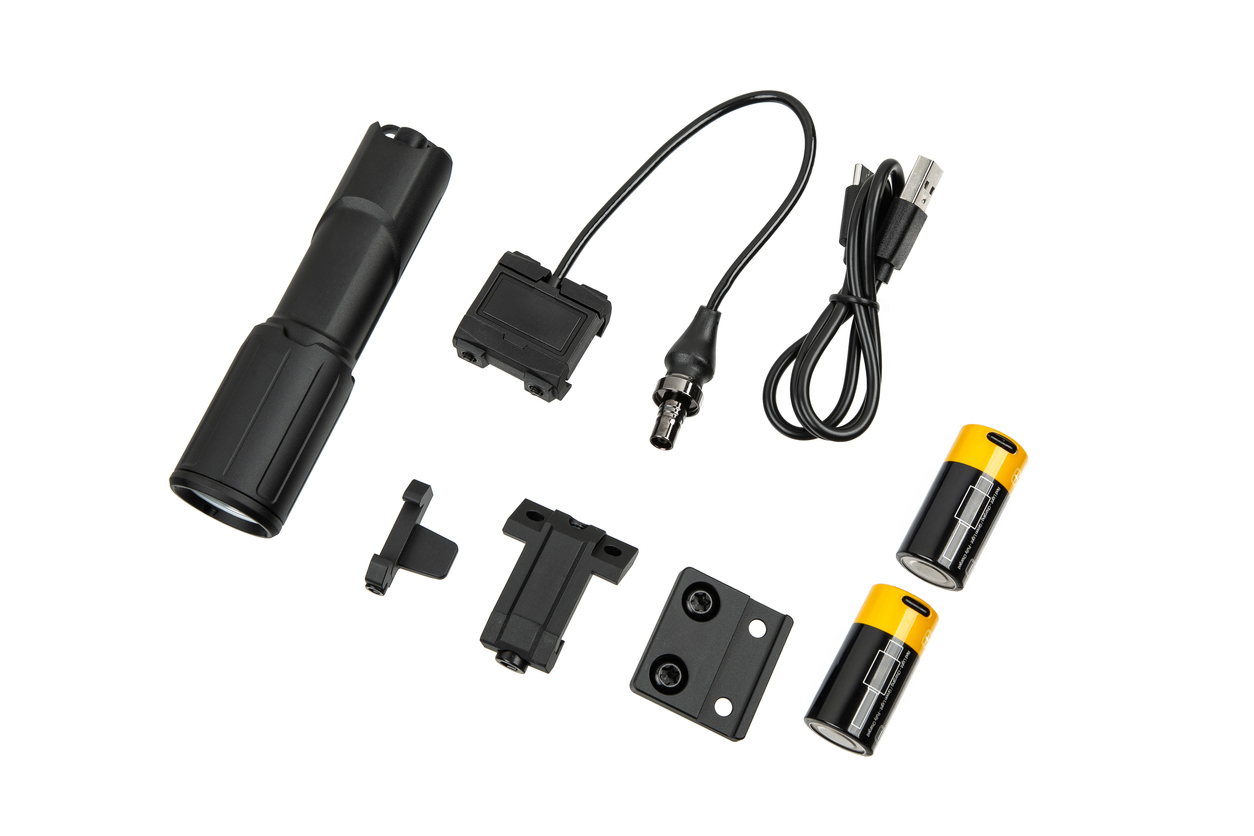
- Tactical flashlights
- Whistles and noise-making devices
- Basic security accessories such as reinforced locks or portable door blockers
The use and legality of these tools can vary, so understanding compliance is essential.
Legal Considerations for Self Defence Tools in Nigeria
Before purchasing or distributing any self-defence equipment, it is important to consider Nigeria’s legal framework. Certain items, particularly those that can be classified as weapons, may be restricted or require permits.
Key considerations include:
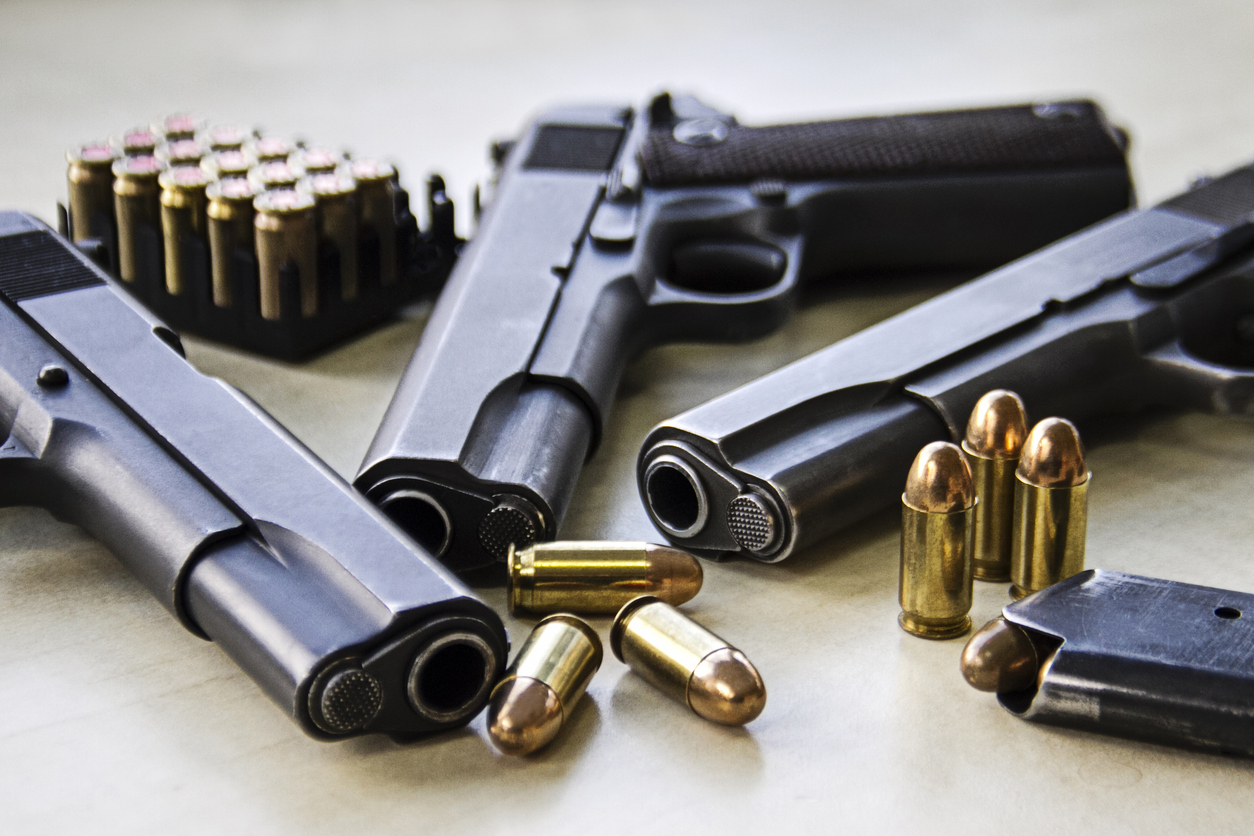
- Prohibited weapons laws: Firearms and certain high-risk items are tightly regulated
- Import regulations: Some tools may require documentation or approval before importation
- Usage limitations: Even legal tools must be used strictly for self-defence
For importers and distributors, compliance with customs regulations and product classification is critical. Misclassification or improper documentation can lead to delays, fines, or confiscation.
Wigmore Trading supports businesses in navigating these regulatory requirements by ensuring proper sourcing, documentation, and compliance with Nigerian import laws.
Practical Applications for Businesses and Individuals
Self-defence tools are not only relevant for individuals but also for businesses operating in sectors such as logistics, FMCG distribution, and field operations.
Personal Safety for Field Staff
Employees working in delivery, procurement, or site visits may face unpredictable risks. Providing basic self-defence tools such as personal alarms or high-lumen flashlights can improve safety without introducing legal complications.
Warehouse and Facility Security
While not traditionally classified as self-defence tools, security enhancements such as:
- Motion sensors
- Alarm systems
- Access control devices
play a similar role in preventing incidents and protecting personnel.
Transport and Logistics
Drivers and transport staff can benefit from non-invasive safety tools that help them signal distress or improve visibility in emergencies. This is particularly relevant for long-distance haulage across regions with varying security conditions.
Challenges in Sourcing Self Defence Tools in Nigeria
Sourcing self-defence tools in Nigeria comes with several challenges, particularly for businesses looking to import or distribute at scale.
Regulatory Uncertainty
Not all self-defence tools are clearly classified under Nigerian law, which can create ambiguity for importers. Without proper guidance, businesses risk delays at ports or compliance issues.
Quality Control
The market includes a wide range of products with varying quality standards. Low-quality tools may fail when needed, posing additional risk.
Supply Chain Reliability
Ensuring consistent supply, especially for businesses distributing safety equipment, requires strong supplier relationships and logistics coordination.
How Wigmore Trading Supports Safe and Compliant Sourcing
For businesses looking to source self defence tools in Nigeria, working with an experienced supply chain partner is essential.
Wigmore Trading provides support in several key areas:
- Verified sourcing: Connecting businesses with reputable international manufacturers
- Import compliance: Managing documentation, classification, and regulatory requirements
- Logistics coordination: Ensuring timely delivery through efficient freight and customs handling
- Quality assurance: Helping clients select products that meet safety and durability standards
This approach reduces risk while ensuring that businesses can access appropriate safety tools for their operations.
Best Practices for Using Self Defence Tools
Whether for personal or business use, the effectiveness of self-defence tools depends on responsible handling and awareness.
Recommended best practices include:
- Training and awareness: Users should understand how and when to use each tool
- Compliance checks: Regularly review legal guidelines to ensure continued compliance
- Maintenance: Ensure tools are functional and accessible when needed
- Risk assessment: Choose tools appropriate to the environment and level of risk
A thoughtful approach ensures that these tools serve their intended purpose—enhancing safety without escalating situations.
Conclusion
The demand for self defence tools in Nigeria reflects broader concerns about safety in both personal and business contexts. While there are practical options available, navigating legal requirements, sourcing quality products, and ensuring proper use are critical factors.
Businesses, particularly those in logistics, distribution, and field operations, can benefit from integrating compliant safety tools into their risk management strategies. With the right sourcing and support, these tools can play a valuable role in protecting people and operations.
Wigmore Trading can help. Contact Wigmore Trading today to streamline your sourcing.
No Comments Yet.

Comments are closed.