
Skin Doctor Cream in Nigeria: Prices, Types & Is It Bleaching?
Talk to us about this service
Trade, import, logistics, sourcing — whatever you're planning, the fastest way to a quote is a WhatsApp message. Our team replies during Lagos business hours.
WhatsApp usYour message tells us which page you came from
Dark spots and uneven tone: what actually works
Most people searching for a “whitening” or “skin doctor” cream want the same thing — to fade dark marks and even out their tone. That’s a real, treatable concern. Here’s what causes it, which ingredients have genuine evidence behind them, and how to avoid the creams that make it permanently worse.

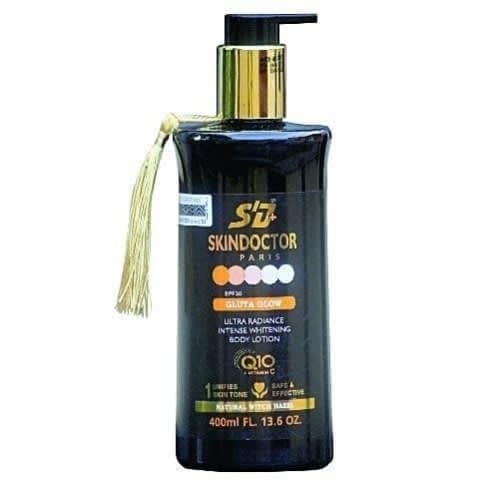
This page previously featured a branded whitening cream and stated that Wigmore Trading supplies it. That was incorrect — we do not stock or supply that product, and we don’t sell skin-lightening creams. We’ve replaced the page with guidance on the concern people are usually trying to solve: fading dark marks and evening out skin tone, safely.
The short answer
- Treating dark marks is not the same as bleaching your skin. Fading a spot left by acne is ordinary dermatology. Lightening your whole complexion is a health risk.
- Sunscreen does more than any cream. Without daily SPF, every other treatment is working against the sun and losing.
- The ingredients with real evidence are niacinamide, azelaic acid, vitamin C, retinoids, and — under medical supervision — hydroquinone and tranexamic acid.
- It takes months, not days. Any cream promising results in a week is either irritating your skin or containing something it shouldn’t.
- Irritation makes pigmentation worse. In melanin-rich skin, harsh products cause the very marks you’re trying to remove.
Uneven tone is one of the most common skin concerns in Nigeria, and it is genuinely treatable — but the market is full of products that promise quick, dramatic whitening, and those are where the harm sits. The gap between “fade this dark patch” and “make my whole body lighter” is the difference between skincare and a health problem.
This guide covers what’s actually causing your marks, what has evidence behind it, and how to check whether a product you already own is safe.
Why melanin-rich skin marks so easily.
Skin with more melanin has more active pigment-producing cells. When those cells are disturbed — by a spot, a scratch, a shaving bump, an insect bite, an aggressive product — they respond by producing extra pigment at that site. The result is post-inflammatory hyperpigmentation: the mark left behind after the original problem has healed.
This is why deeper skin tones develop dark marks more readily and why they linger longer. It’s also why the instinct to attack marks with strong scrubs and harsh creams backfires: the irritation itself triggers more pigment.
The main patterns:
- Post-inflammatory hyperpigmentation — marks following acne, eczema, bites, ingrown hairs or injury. Fades over months with the right care.
- Melasma — larger symmetrical patches, often on cheeks, forehead and upper lip. Linked to hormones, pregnancy and the contraceptive pill, and strongly worsened by sun and heat. Chronic and prone to returning.
- Sun-related pigmentation — accumulated UV exposure deepening tone unevenly, especially on the face, neck and hands.
- Product-induced damage — pigmentation caused by the creams used to treat pigmentation. Common, and sometimes permanent.
UV and visible light both drive pigment production, and in a sunny climate that’s a daily load. Broad-spectrum SPF 30 or higher every day does more for uneven tone than any active ingredient — and without it, everything else you apply is fighting a losing battle. For melasma specifically, tinted mineral sunscreens containing iron oxides also screen visible light, which untinted formulas don’t.
What kind of marks do you have?
Different pigmentation needs different handling. Four questions.
Pigmentation type finder
General guidance, not a diagnosis. Nothing is stored or sent.
Ingredients that actually do something.
All of these work gradually — expect months. Introduce one at a time so you can tell what’s helping and what’s irritating.
Broad-spectrum sunscreen
The single most effective step. Prevents existing marks deepening and stops new ones forming. Tinted mineral formulas also screen visible light, which matters for melasma.
Strong evidence · use daily
Niacinamide
Well tolerated even on sensitive skin, supports the skin barrier and interferes with pigment transfer. A sensible first active for most people.
Good evidence · gentle
Azelaic acid
Particularly useful in deeper skin tones because it targets overactive pigment cells while being comparatively gentle. Also helps acne, which prevents new marks forming.
Good evidence · well suited to darker skin
Vitamin C
An antioxidant that brightens overall tone and adds protection against daytime damage. Use in the morning beneath sunscreen.
Good evidence · morning use
Retinoids
Speed cell turnover and have the strongest evidence for texture and tone together. Start low and infrequent — irritation causes the marks you’re treating.
Strong evidence · introduce slowly
Alpha arbutin & kojic acid
Milder pigment-inhibiting ingredients often found in over-the-counter serums. Modest effects, low irritation, reasonable as supporting players.
Moderate evidence · supporting role
Hydroquinone
Genuinely effective and used by dermatologists — but for defined short courses under supervision. Prolonged unsupervised use of high-strength product can cause exogenous ochronosis, a permanent blue-black darkening. Not something to self-prescribe indefinitely.
Effective · medical supervision only
Tranexamic acid
Increasingly used for melasma, topically and sometimes orally. The oral form is a prescription decision with real contraindications — a doctor’s call, not a shop’s.
Promising · oral form prescription only
Post-inflammatory marks typically fade over three to six months with consistent care; melasma is managed rather than cured and tends to return with sun and hormonal changes. Any product promising dramatic whitening in days is doing something you don’t want it to be doing — usually stripping the skin, or containing a potent steroid or mercury.
What to avoid, and why it matters.
Fast whitening comes at a cost
The World Health Organization has identified skin lightening as a public health concern, with Nigeria among the countries reporting the highest usage. The harms are well documented and come mainly from three ingredients found in unregulated products:
- Mercury — absorbed through skin, toxic to the kidneys and nervous system, and dangerous to a developing foetus. Banned in cosmetics, yet still found in imported whitening creams. It may be listed as calomel, mercuric or mercurio, or not listed at all.
- Potent topical steroids — misused as lighteners, causing skin thinning, visible broken capillaries, stretch marks, steroid acne, and with wide use, effects on the body’s own hormone production. Skin often rebounds worse when stopped.
- High-strength hydroquinone, used long-term without supervision — can cause exogenous ochronosis, a paradoxical permanent darkening that is extremely difficult to treat and worse than the original problem.
- Loss of natural protection — lightened skin burns more easily and accumulates more sun damage.
If you are currently using a product that stings, burns, causes redness, thins the skin, or produced dramatic results quickly, stop and speak to a doctor or pharmacist rather than simply switching brands.
Cosmetics sold in Nigeria should be registered with the National Agency for Food and Drug Administration and Control, and the registration number should appear on the packaging. NAFDAC periodically acts against unregistered and adulterated skin products. No number, no purchase — and be especially wary of creams sold loose, decanted, or in packaging without an ingredient list.
Quick answers
Does Wigmore Trading sell Skin Doctor cream?
How do I get rid of dark spots on my face?
Are whitening creams safe?
How long do dark marks take to fade?
What is the difference between melasma and dark spots from acne?
Can I use hydroquinone in Nigeria?
Important: This page is general information and is not medical advice, diagnosis or treatment, and is not a substitute for consultation with a doctor, dermatologist or pharmacist. Skin conditions vary and what suits one person may harm another — patch test any new product and introduce actives one at a time. Seek medical attention promptly for spreading, painful, itching, blistering or rapidly changing pigmentation, for any new or altering mole, or for a reaction to a product. Ingredient suitability and regulatory status differ by market and change over time; confirm that any cosmetic sold or bought in Nigeria is registered with NAFDAC. Wigmore Trading does not manufacture, stock, supply, endorse or recommend any skin-lightening product, and is not affiliated with any brand referenced in search terms leading to this page. Descriptions of ingredient risks reflect widely published health guidance including that of the World Health Organization.
Stocking skincare? Source it registered.
Wigmore supplies personal care, household and consumer goods to shops, pharmacies and businesses across Nigeria — traceable, invoiced and NAFDAC-compliant.

Comments are closed.