
Solar Inverters in Nigeria: A Guide to Powering Your Home and Business
Talk to us about this service
Trade, import, logistics, sourcing — whatever you're planning, the fastest way to a quote is a WhatsApp message. Our team replies during Lagos business hours.
WhatsApp usYour message tells us which page you came from
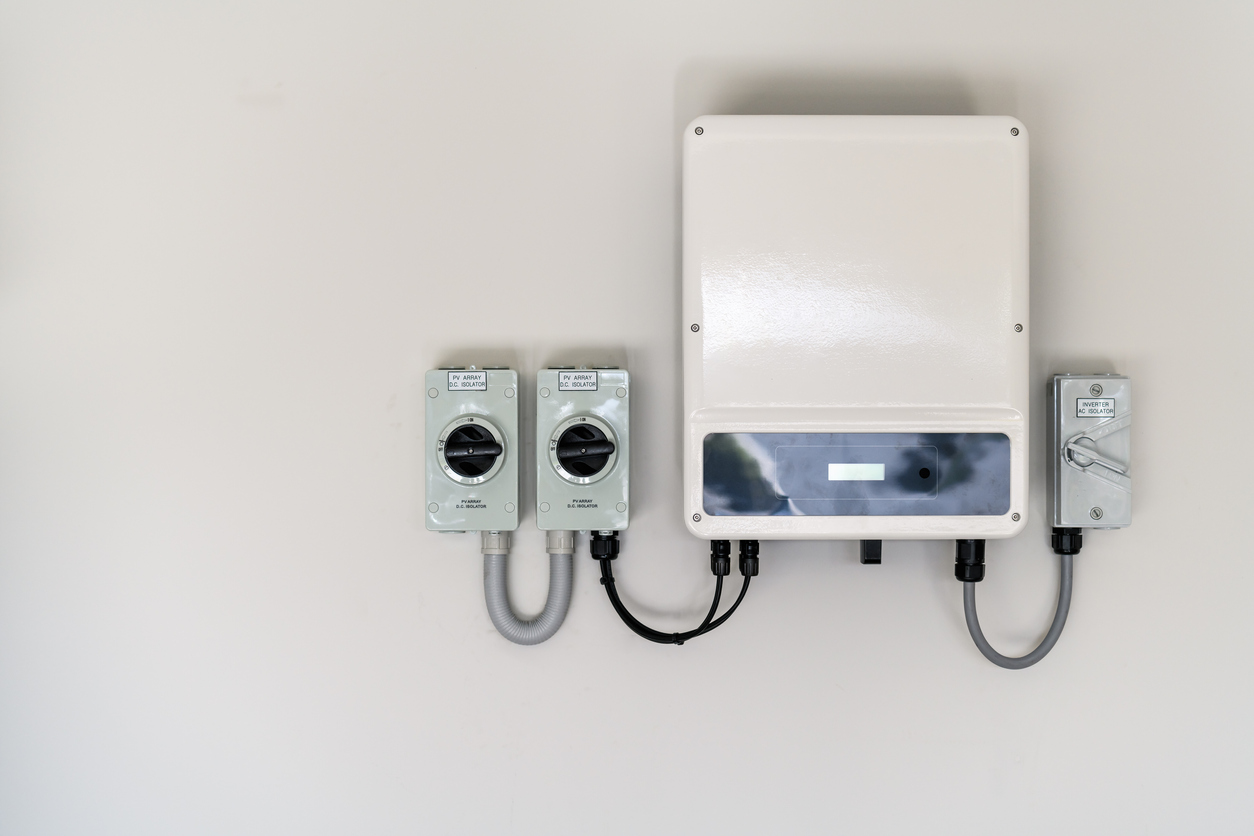
Solar inverters have become an essential part of Nigeria’s energy landscape, providing a reliable and sustainable solution to frequent power outages and rising electricity costs. These devices convert direct current (DC) generated by solar panels into alternating current (AC), which is used to power appliances and devices.
This article explores the benefits, types, and applications of solar inverters in Nigeria, along with tips for choosing the right system for your needs.
Why Solar Inverters Are Popular in Nigeria
- Unreliable Grid Power:
- Frequent power outages (blackouts) make solar inverters a dependable alternative to diesel generators.
- Cost Savings:
- Solar systems reduce electricity bills and provide a long-term, cost-effective energy solution.
- Environmental Benefits:
- Solar energy is clean and renewable, contributing to reduced carbon emissions.
- Scalability:
- Solar inverters can be scaled for residential, commercial, or industrial applications.
- Government Incentives:
- Policies and incentives supporting renewable energy adoption make solar systems more accessible.
Types of Solar Inverters Available in Nigeria
- Off-Grid Solar Inverters:
- Purpose: Designed for locations without access to grid power.
- Features: Work with batteries to store excess solar energy for use during the night or cloudy days.
- Best For: Rural areas and independent power setups.
- Grid-Tied Solar Inverters:
- Purpose: Connected to the electricity grid to complement power supply and reduce energy bills.
- Features: Do not require batteries, making them more cost-effective for urban setups.
- Best For: Homes and businesses with access to grid power.
- Hybrid Solar Inverters:
- Purpose: Combine the benefits of off-grid and grid-tied systems.
- Features: Work with batteries and the grid, providing flexibility and backup during outages.
- Best For: Urban and semi-urban areas with intermittent grid power.
Benefits of Using Solar Inverters in Nigeria
- Energy Independence:
- Reduces reliance on the unstable national grid and expensive diesel generators.
- Cost Efficiency:
- Lowers electricity costs over time, with minimal maintenance required.
- Quiet Operation:
- Unlike generators, solar inverters operate silently, making them ideal for residential use.
- Scalability:
- Can be customized to meet the power needs of small homes or large businesses.
- Durability:
- Modern solar inverters are designed to withstand harsh weather conditions common in Nigeria.
Key Features to Consider When Buying a Solar Inverter
- Power Capacity (kW):
- Choose an inverter with sufficient capacity to handle your energy needs.
- Battery Compatibility:
- Ensure the inverter works with the type and size of batteries you plan to use.
- Efficiency:
- Look for inverters with high conversion efficiency to maximize energy usage.
- Warranty and Support:
- Opt for brands offering a good warranty and reliable after-sales service.
- Monitoring Features:
- Advanced inverters include monitoring systems for tracking energy production and consumption.
- Brand Reputation:
- Trusted brands like Luminous, Sukam, and Schneider are known for quality and durability.
Popular Solar Inverter Brands in Nigeria
- Luminous Solar Inverters:
- Known for reliability and affordability, ideal for residential use.
- Sukam Inverters:
- Offers robust options for both residential and industrial setups.
- BlueGate Inverters:
- Popular for their durability and compatibility with various battery types.
- Schneider Electric:
- High-performance hybrid inverters suitable for large-scale applications.
- Victron Energy:
- Advanced inverters with superior efficiency and monitoring capabilities.
Applications of Solar Inverters in Nigeria
- Residential Use:
- Powering lights, fans, TVs, and essential home appliances.
- Commercial Use:
- Supporting offices, shops, and small businesses during outages.
- Industrial Use:
- Meeting the energy needs of factories, farms, and other large-scale operations.
- Schools and Hospitals:
- Providing a stable power source for critical operations and equipment.
Where to Buy Solar Inverters in Nigeria
- Electronics and Solar Stores:
- Available in major cities like Lagos, Abuja, and Port Harcourt.
- Online Platforms:
- Trusted e-commerce sites like Jumia, Konga, and Wigmore Trading.
- Authorized Dealers:
- Ensure authenticity and warranty by purchasing from authorized dealers.
- Solar Energy Companies:
- Companies like Rubitec Solar and Lumos Nigeria offer complete installation packages.
Tips for Installing a Solar Inverter in Nigeria
- Assess Your Power Needs:
- Calculate the total wattage of devices you intend to power.
- Consult Professionals:
- Hire experienced technicians for proper installation and setup.
- Invest in Quality Batteries:
- Choose durable batteries to ensure long-term reliability.
- Maintain Your System:
- Regularly clean solar panels and check battery health for optimal performance.
Conclusion
Solar inverters are a game-changer in Nigeria, offering a reliable and eco-friendly solution to the country’s energy challenges. Whether for residential, commercial, or industrial use, they provide an efficient way to harness the power of the sun and reduce dependency on grid power or generators.
By selecting the right type of solar inverter and working with trusted professionals, you can enjoy uninterrupted power and long-term cost savings.

Comments are closed.