
Telecom Digital Billing in Africa: Trends, Challenges, and Opportunities
Talk to us about this service
Trade, import, logistics, sourcing — whatever you're planning, the fastest way to a quote is a WhatsApp message. Our team replies during Lagos business hours.
WhatsApp usYour message tells us which page you came from
Africa’s telecommunications industry is evolving rapidly as mobile penetration, digital payments, and internet usage continue to grow across the continent. At the centre of this transformation is telecom digital billing in Africa, which enables telecom operators to manage customer charges, automate payments, support prepaid services, and improve revenue management.
As telecom providers expand digital services and mobile data usage increases, efficient billing systems have become essential for operational stability and customer satisfaction. This article explores how telecom digital billing works in Africa, the key challenges facing operators, and the role of logistics and supply chain support in sustaining telecom infrastructure.
What Is Telecom Digital Billing?
Telecom digital billing refers to the automated systems telecom operators use to calculate, process, and manage customer charges for services such as:
- Voice calls
- Mobile data
- SMS messaging
- Roaming services
- Mobile money transactions
- Subscription-based digital services
Modern billing platforms allow operators to process millions of transactions in real time while offering flexible pricing models and digital payment options.
Why Telecom Digital Billing in Africa Is Growing
The demand for advanced billing systems in Africa is increasing due to several market trends.
Rising Mobile Penetration
Africa has one of the world’s fastest-growing mobile subscriber bases. Millions of users rely on prepaid mobile services, requiring accurate real-time billing systems.
Expansion of Mobile Money
Mobile money platforms are widely used across African markets. Telecom operators must integrate billing systems with secure payment processing platforms.
Increased Data Consumption
Video streaming, e-commerce, fintech applications, and remote work are driving higher data usage, creating more complex billing requirements.
Growth of Digital Services
Telecom operators are increasingly offering digital subscriptions, cloud solutions, entertainment platforms, and enterprise services that require flexible billing models.
Key Features of Modern Telecom Billing Systems
Real-Time Charging
Real-time billing enables prepaid users to receive instant updates on account balances and service usage.
Automated Invoice Generation
Digital billing systems simplify invoicing for postpaid customers and enterprise clients.
Revenue Assurance
Accurate billing helps telecom operators reduce revenue leakage caused by errors or fraudulent activity.
Multi-Service Integration
Modern systems combine billing for voice, data, mobile money, and digital content within one platform.
Customer Self-Service
Many telecom companies now provide mobile apps and online portals where customers can monitor usage and make payments.
Challenges Facing Telecom Digital Billing in Africa
Although digital billing technology is improving, telecom operators across Africa still face operational and infrastructure challenges.
Infrastructure Reliability
Power instability and network disruptions can affect billing system performance and transaction processing.
Fraud and Revenue Leakage
Telecom fraud, SIM box bypass, and unverified traffic can reduce operator revenues.
Regulatory Compliance
Billing systems must comply with country-specific telecom regulations, tax rules, and consumer protection requirements.
Currency Volatility
Cross-border telecom operations in Africa may face foreign exchange risks and fluctuating settlement costs.
Scalability Issues
As subscriber numbers grow, telecom operators require systems capable of processing higher transaction volumes without downtime.
The Importance of Telecom Infrastructure and Supply Chains
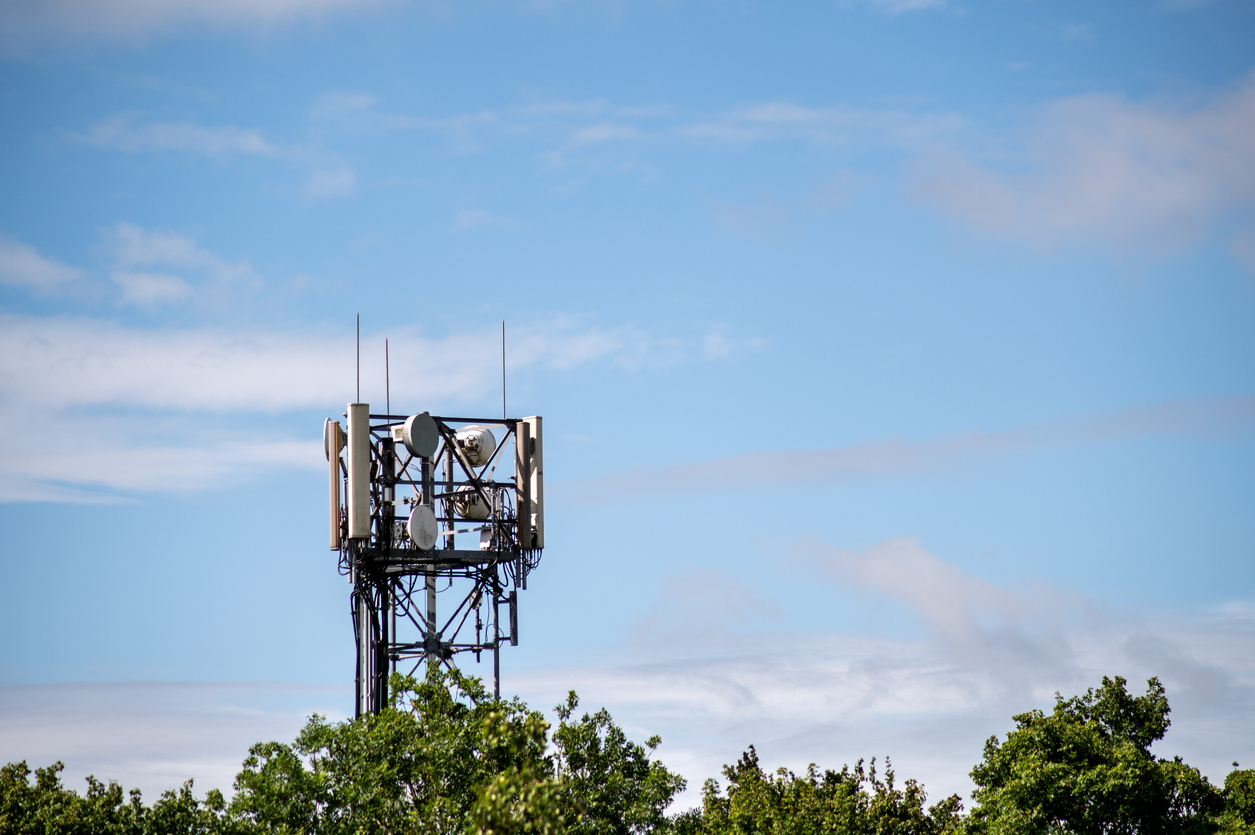
Digital billing systems depend on physical infrastructure, including servers, networking equipment, data centres, and backup power systems. Delays in sourcing or maintaining these assets can disrupt telecom operations.
Reliable supply chain management is therefore critical for telecom companies operating across Africa.
Supporting Telecom Operations Through Logistics
Wigmore Trading supports businesses in Africa through:
- International sourcing of telecom equipment and infrastructure materials
- Import and export support for technology components
- Warehousing and nationwide distribution services
- Supply chain coordination for telecom and technology sectors
- Customs clearance and compliance support
Efficient logistics help telecom operators maintain infrastructure uptime and reduce operational delays.
The Future of Telecom Digital Billing in Africa
The telecom sector in Africa is expected to continue investing in digital billing technologies as operators expand services and improve customer experiences.
Key developments include:
Cloud-Based Billing Platforms
Cloud infrastructure offers scalability, flexibility, and reduced maintenance costs.
AI and Data Analytics
Artificial intelligence can improve fraud detection, customer insights, and predictive billing management.
5G Network Expansion
The rollout of 5G services will increase data usage and require more advanced billing systems.
Integration with Fintech Services
Telecom operators are increasingly partnering with fintech providers to offer integrated payment and digital finance solutions.
Conclusion
The growth of telecom digital billing in Africa reflects the continent’s expanding digital economy and increasing demand for mobile connectivity. Accurate, scalable, and secure billing systems are essential for telecom operators seeking to manage revenues, improve customer experiences, and support digital transformation.
At the same time, efficient logistics and infrastructure support remain critical to maintaining telecom operations across African markets.
Wigmore Trading can help. Contact Wigmore Trading today to streamline your sourcing.
No Comments Yet.

Comments are closed.