
A Guide to Telecom Network Partner Settlement in Nigeria
Talk to us about this service
Trade, import, logistics, sourcing — whatever you're planning, the fastest way to a quote is a WhatsApp message. Our team replies during Lagos business hours.
WhatsApp usYour message tells us which page you came from
Nigeria’s telecom industry relies on collaboration between multiple operators, infrastructure providers, and international carriers. One of the most important processes enabling this collaboration is telecom network partner settlement in Nigeria. This system ensures that all parties involved in routing voice, SMS, and data traffic are compensated accurately and transparently.
As telecom networks expand and interconnectivity increases, efficient settlement processes are essential for maintaining financial stability and operational trust across the ecosystem.
What Is Telecom Network Partner Settlement?
Telecom network partner settlement refers to the financial reconciliation between telecom operators and their partners for the exchange of network traffic. These partners may include:
- Mobile network operators (MNOs)
- International carriers
- Interconnect exchange providers
- Infrastructure and roaming partners
Whenever traffic passes between networks, charges are incurred. Settlement processes ensure that these charges are calculated, invoiced, and paid correctly.
How Telecom Network Partner Settlement in Nigeria Works
Interconnection Agreements
Operators establish agreements that define:
- Termination rates
- Billing cycles
- Payment terms
- Dispute resolution procedures
These agreements form the foundation of all settlement activities.
Traffic Recording and Validation
Network systems generate detailed usage records, such as:
- Call Detail Records (CDRs)
- Data session logs
- SMS records
These records must be validated to ensure accuracy before billing.
Billing and Invoicing
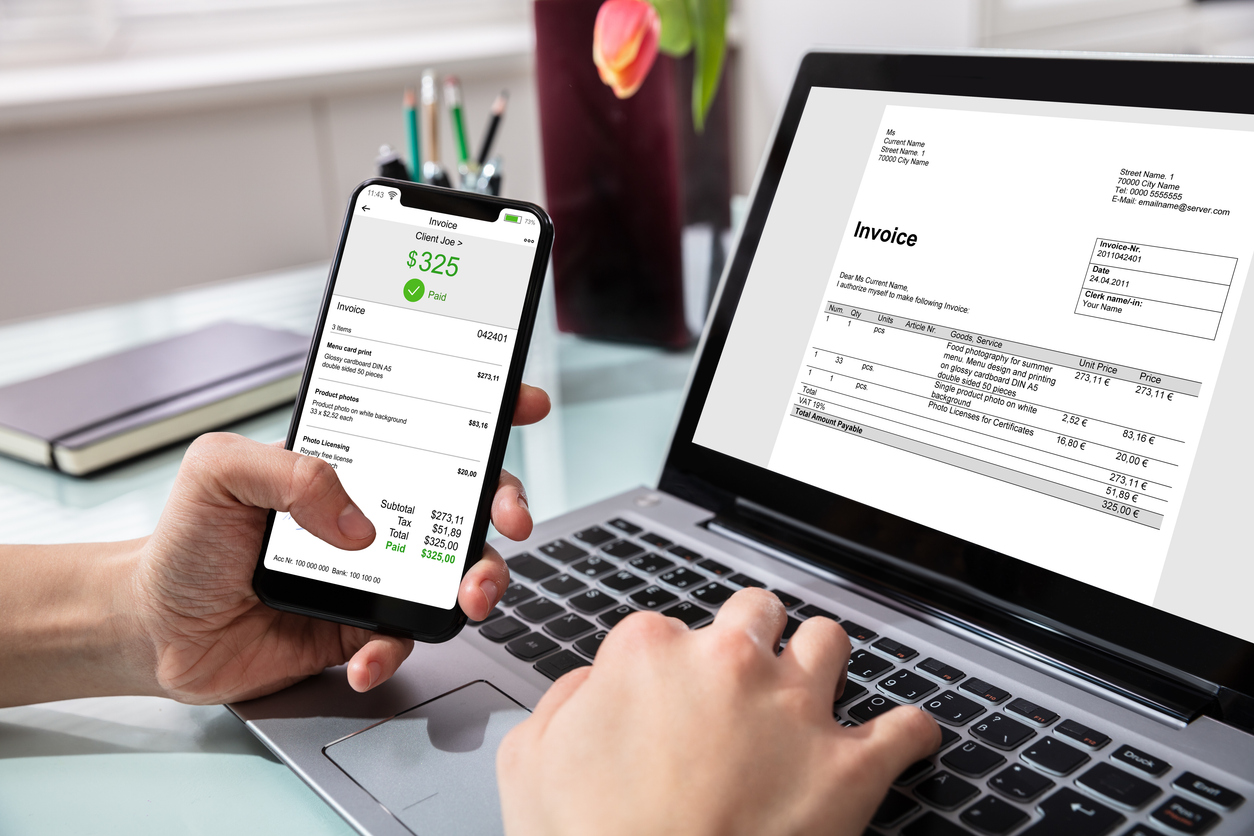
Each operator calculates the charges owed based on agreed tariffs and traffic volumes. Invoices are exchanged between partners, typically on a monthly basis.
Reconciliation and Payment
Operators compare records, resolve discrepancies, and complete payments according to contract terms.
Why Accurate Settlement Is Critical
Effective telecom network partner settlement in Nigeria is essential for several reasons:
- Revenue Protection: Prevents underbilling or overbilling
- Operational Trust: Builds confidence between network partners
- Regulatory Compliance: Ensures adherence to NCC guidelines
- Dispute Reduction: Minimises conflicts over traffic discrepancies
Even small inaccuracies can scale into significant financial losses due to high traffic volumes.
Common Challenges in Nigeria’s Telecom Settlement Processes
Data Discrepancies
Differences in traffic measurement between operators can lead to disputes and delayed payments.
High Traffic Volumes
Nigeria’s large and growing subscriber base generates vast amounts of data, increasing processing complexity.
Fraud and Bypass Activities
Unauthorised routing of traffic can distort settlement calculations and reduce legitimate revenues.
Currency and Cross-Border Issues
International settlements often involve currency fluctuations and additional regulatory requirements.
Infrastructure Constraints
Power supply issues and system downtime can affect data collection and processing accuracy.
Practical Approaches to Improve Settlement Efficiency
Implement Automated Reconciliation Systems
Automation reduces manual errors and speeds up the settlement cycle.
Standardise Data Formats
Using consistent formats for CDRs and billing files improves compatibility between partners.
Strengthen Fraud Detection
Advanced analytics can identify unusual traffic patterns and prevent revenue leakage.
Maintain Clear Contract Terms
Well-defined agreements reduce ambiguity and simplify dispute resolution.
The Role of Supply Chain and Logistics in Telecom Operations
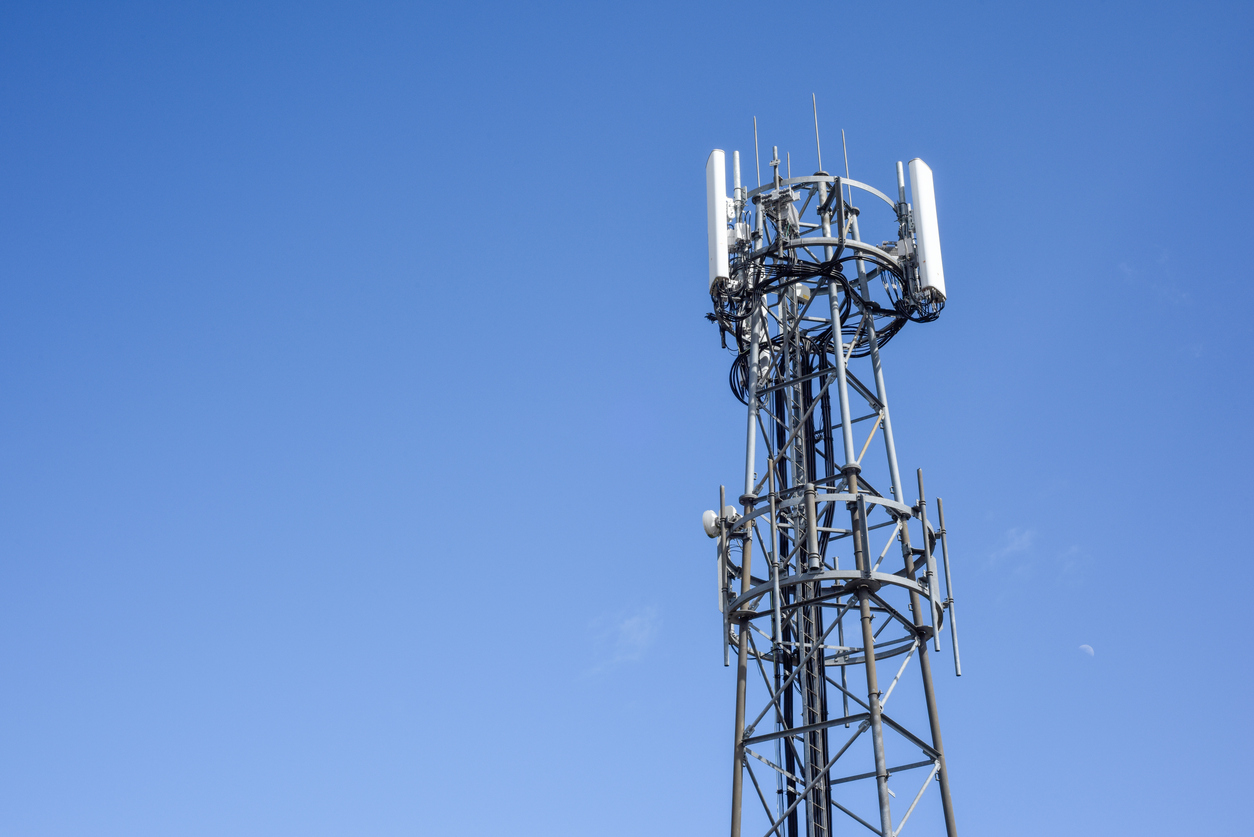
While settlement processes are primarily digital, physical infrastructure plays a supporting role. Telecom networks depend on:
- Switching equipment
- Servers and data centre hardware
- Transmission components
- Power systems and backup equipment
Delays in sourcing or maintaining these assets can disrupt network performance and affect traffic recording accuracy.
Wigmore Trading supports telecom operators and partners in Nigeria by:
- Sourcing telecom infrastructure and equipment globally
- Managing import/export procedures and regulatory compliance
- Providing warehousing and nationwide distribution
- Ensuring timely delivery of critical components
A reliable supply chain helps maintain network uptime, which is essential for accurate traffic tracking and settlement.
Future Trends in Telecom Partner Settlement
Nigeria’s telecom sector is evolving, and settlement processes are becoming more advanced. Key trends include:
- Real-time settlement systems for faster reconciliation
- Blockchain-based settlement platforms to improve transparency
- Cloud-based billing solutions for scalability
- AI-driven analytics for fraud detection and revenue assurance
Operators that adopt these technologies will improve efficiency and reduce financial risk.
Conclusion
Telecom network partner settlement in Nigeria is a critical function that ensures fair compensation across interconnected networks. Accurate data, efficient processes, and reliable infrastructure are essential to managing settlements effectively in a high-volume market.
By combining strong operational systems with dependable sourcing and logistics support, telecom companies can improve both performance and financial accuracy.
Wigmore Trading can help. Contact Wigmore Trading today to streamline your sourcing.
No Comments Yet.





Comments are closed.