
Telecom Billing Dashboard in Nigeria: Improving Visibility and Revenue Control

Talk to us about this service
Trade, import, logistics, sourcing — whatever you're planning, the fastest way to a quote is a WhatsApp message. Our team replies during Lagos business hours.
WhatsApp usYour message tells us which page you came from
Nigeria’s telecommunications industry operates at scale, handling millions of transactions daily across voice, data, and digital services. Managing this complexity requires more than just billing systems—it demands clear, real-time visibility into financial and operational performance. This is where a telecom billing dashboard in Nigeria becomes essential.
A well-designed billing dashboard enables telecom operators to monitor revenue streams, detect anomalies, and make informed decisions quickly. This article explores how telecom billing dashboards work, their importance in Nigeria’s market, and how operational support services can strengthen overall efficiency.
What Is a Telecom Billing Dashboard?
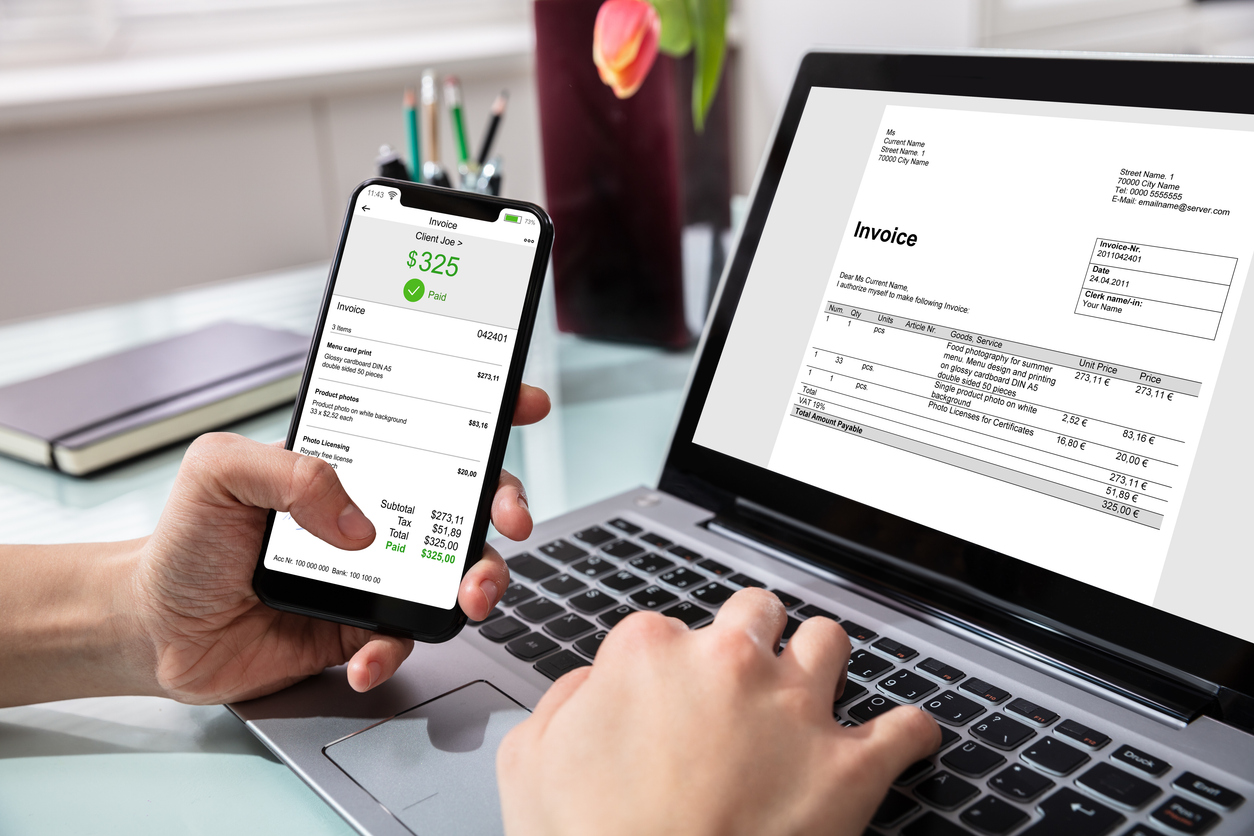
A telecom billing dashboard is a visual interface that aggregates and displays key billing and revenue data from multiple systems. It provides operators with a consolidated view of financial performance, usage trends, and system activity.
Key Features of a Telecom Billing Dashboard
- Real-Time Data Monitoring: Tracks usage, charges, and revenue as they occur
- Revenue Analytics: Breaks down earnings by service type, region, or customer segment
- Dispute Tracking: Highlights discrepancies in billing or settlements
- Fraud Detection Indicators: Flags unusual patterns in traffic or charges
- Performance Metrics: Monitors KPIs such as ARPU (Average Revenue Per User)
In Nigeria, where telecom services are highly competitive and pricing structures vary widely, dashboards play a critical role in maintaining operational control.
Why Telecom Billing Dashboards Matter in Nigeria
Enhancing Revenue Assurance
With high transaction volumes, even small billing errors can lead to significant revenue loss. A telecom billing dashboard in Nigeria helps identify inconsistencies early, reducing leakage.
Supporting Regulatory Compliance
The Nigerian Communications Commission (NCC) requires accurate reporting and transparency. Dashboards simplify compliance by providing auditable data and clear reporting structures.
Improving Decision-Making
Executives and finance teams rely on dashboards for quick insights. Real-time visibility allows for faster responses to market changes, pricing adjustments, or operational issues.
Key Components of an Effective Telecom Billing Dashboard in Nigeria
1. Data Integration Across Systems
Billing dashboards must integrate with:
- Rating engines
- Mediation systems
- CRM platforms
- Network infrastructure
Seamless integration ensures accurate and consistent data.
2. Customisable Reporting
Operators need flexible reporting tools to analyse:
- Prepaid vs postpaid revenue
- Interconnect traffic
- Regional performance
- Product-level profitability
3. Real-Time Alerts and Notifications
Automated alerts help teams respond quickly to:
- Billing anomalies
- Revenue drops
- Suspicious traffic patterns
4. User-Friendly Interface
Clear visualisation—charts, graphs, and summaries—makes complex data easier to interpret across departments.
Common Challenges in Implementing Billing Dashboards
Data Inconsistency
Poor data quality from upstream systems can lead to inaccurate insights.
Infrastructure Constraints
Reliable power and connectivity are essential for real-time dashboards, especially in high-demand environments.
Integration Complexity
Connecting multiple legacy systems can be technically challenging and resource-intensive.
Security Risks
Sensitive financial data must be protected against breaches and unauthorised access.
Practical Solutions for Telecom Operators
Strengthen Data Management
Implement robust data validation and cleansing processes to improve accuracy.
Invest in Scalable Infrastructure
Cloud-based solutions can improve reliability and scalability for dashboard systems.
Prioritise System Integration
Use standardised APIs and middleware to simplify connections between systems.
Enhance Data Security
Adopt encryption, access controls, and regular audits to protect billing data.
The Role of Logistics and Supply Chain in Telecom Operations
While billing dashboards are digital tools, their effectiveness depends on the underlying physical infrastructure—servers, networking equipment, and data centres.
Telecom operators in Nigeria often face challenges in sourcing and maintaining this infrastructure efficiently. Delays in equipment delivery or customs clearance can disrupt operations and impact system performance.
Wigmore Trading supports telecom companies by:
- Sourcing critical IT and telecom equipment globally
- Managing import/export logistics and regulatory compliance
- Providing warehousing and distribution solutions across Nigeria
- Ensuring timely delivery of infrastructure components
By strengthening supply chains, operators can maintain the reliability of systems such as billing dashboards and analytics platforms.
Future Trends in Telecom Billing Dashboards
The evolution of telecom services is driving new capabilities in billing dashboards:
- AI-driven analytics for predictive revenue insights
- Cloud-based dashboards for scalability and accessibility
- Integration with 5G services, increasing data complexity
- Advanced fraud detection tools using machine learning
These innovations will further enhance visibility and operational efficiency in Nigeria’s telecom sector.
Conclusion
A telecom billing dashboard in Nigeria is a critical tool for managing revenue, ensuring compliance, and improving decision-making in a complex and high-volume industry. By providing real-time insights and actionable data, dashboards help operators maintain financial control and operational efficiency.
However, success depends not only on software but also on reliable infrastructure and supply chain support. Efficient sourcing, logistics, and distribution play a key role in maintaining system performance.
Wigmore Trading can help. Contact Wigmore Trading today to streamline your sourcing.
No Comments Yet.




Comments are closed.