
A Practical Guide to Telecom Wholesale Billing in Nigeria
Talk to us about this service
Trade, import, logistics, sourcing — whatever you're planning, the fastest way to a quote is a WhatsApp message. Our team replies during Lagos business hours.
WhatsApp usYour message tells us which page you came from
Nigeria’s telecom industry is highly interconnected, with multiple operators exchanging voice, SMS, and data traffic daily. Behind this complex ecosystem lies telecom wholesale billing in Nigeria, a critical function that ensures operators are accurately compensated for network usage.
This article explores how wholesale billing works, the operational challenges involved, and how telecom businesses can improve efficiency through better systems and supply chain support.
What Is Telecom Wholesale Billing?
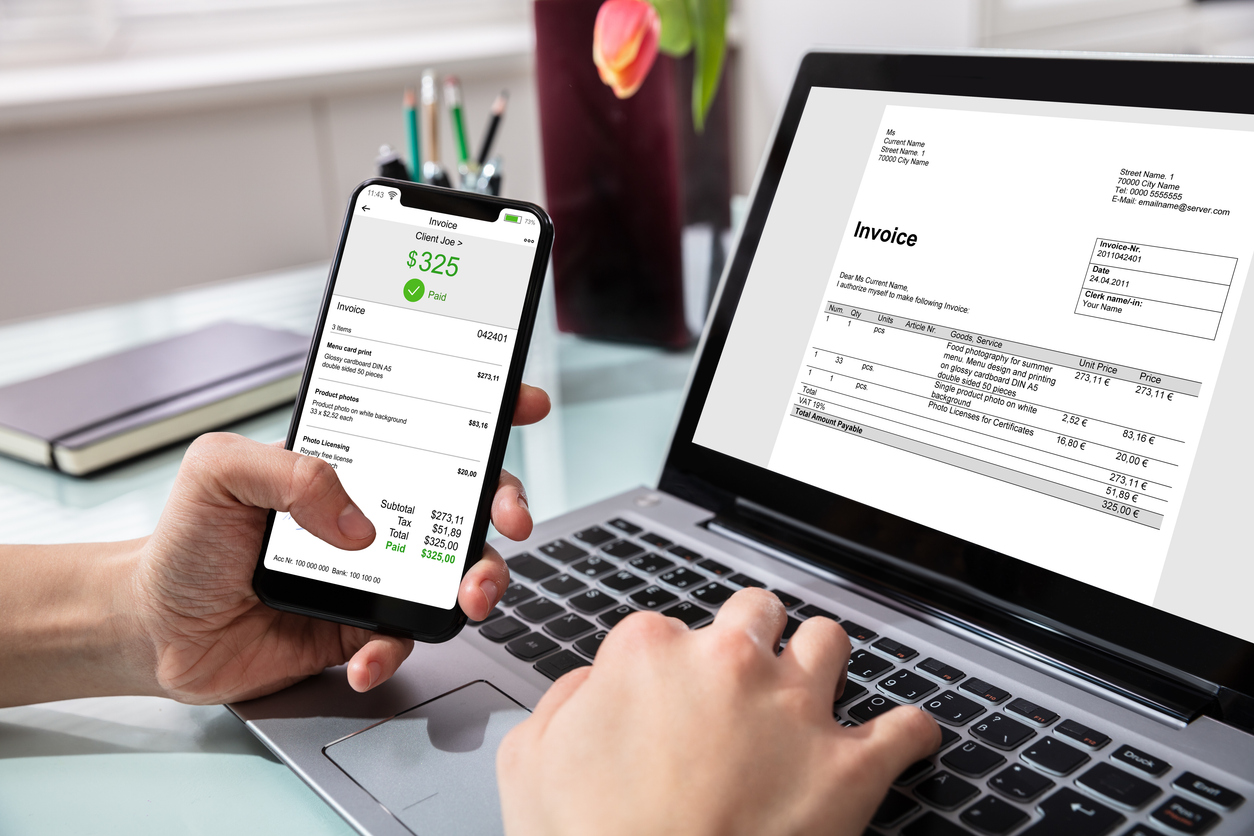
Telecom wholesale billing refers to the process of charging and settling payments between telecom operators for services provided across networks. Unlike retail billing (which focuses on end users), wholesale billing manages inter-operator financial transactions.
Key Elements of Wholesale Billing
- Interconnect Billing: Charges for terminating calls on another network
- Roaming Billing: Costs incurred when subscribers use services outside their home network
- International Carrier Billing: Settlement between global telecom providers
- Data and SMS Exchange: Billing for non-voice services
In Nigeria, wholesale billing is essential due to the high volume of inter-network communication and international connectivity.
How Telecom Wholesale Billing in Nigeria Works
Traffic Generation and Capture
When a call or message is initiated, network systems generate Call Detail Records (CDRs). These records include information such as:
- Origin and destination numbers
- Call duration
- Time and date
- Type of service
Mediation and Data Processing
Raw CDRs are processed through mediation systems to ensure data accuracy and consistency before billing.
Rating and Pricing
Charges are applied based on agreed interconnect rates, regulatory guidelines, and commercial agreements between operators.
Invoice Generation and Settlement
Operators generate invoices for traffic exchanged, followed by reconciliation and payment settlement.
The Role of Regulation in Nigeria
The Nigerian Communications Commission (NCC) regulates interconnect rates and ensures fair competition. Operators must comply with:
- Standardised termination rates
- Transparent billing practices
- Timely dispute resolution procedures
Compliance is essential to avoid penalties and maintain industry trust.
Key Challenges in Telecom Wholesale Billing
Data Accuracy and Volume
Nigeria’s telecom networks handle massive traffic volumes, increasing the risk of data inconsistencies and billing errors.
Complex Interconnect Agreements
Different pricing structures across operators and regions make billing calculations more complex.
Dispute Management
Discrepancies in traffic records can lead to prolonged billing disputes between operators.
Fraud and Revenue Leakage
Bypass fraud and unreported traffic can significantly impact revenue.
Infrastructure Constraints
System downtime, power issues, and hardware limitations can disrupt billing processes.
Improving Wholesale Billing Efficiency
Invest in Robust Billing Platforms
Modern billing systems should support real-time processing, scalability, and integration with network infrastructure.
Strengthen Data Validation
Accurate mediation systems reduce errors before billing calculations are applied.
Automate Reconciliation
Automation improves speed and reduces manual errors in invoice matching and settlement.
Enhance Fraud Detection Systems
Analytics tools can identify unusual traffic patterns and prevent revenue loss.
The Importance of Logistics and Supply Chain Support
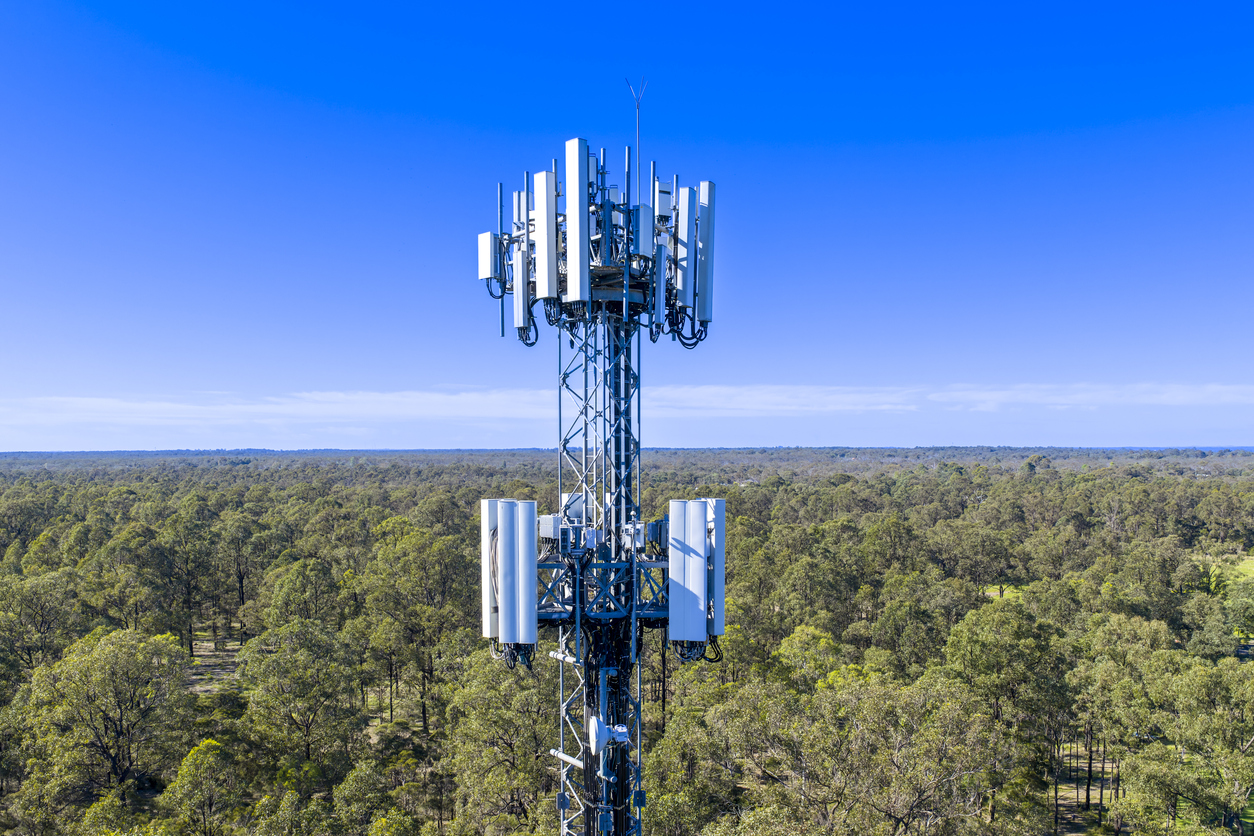
Telecom wholesale billing systems rely on physical infrastructure, including servers, networking equipment, and data centres. Ensuring these components are available and operational is critical.
Wigmore Trading supports telecom operators in Nigeria by:
- Sourcing telecom hardware and technical equipment globally
- Managing import and customs compliance efficiently
- Providing warehousing and distribution solutions
- Ensuring timely delivery of critical infrastructure components
By strengthening supply chains, telecom companies can maintain reliable billing systems and minimise operational disruptions.
Future Trends in Telecom Wholesale Billing in Nigeria
The telecom sector is evolving rapidly, and wholesale billing is adapting accordingly:
- Cloud-based billing systems for improved scalability
- Real-time settlement platforms reducing delays
- AI-driven analytics for revenue assurance and fraud detection
- 5G expansion, increasing data complexity and billing requirements
Operators that adopt these innovations will be better equipped to manage growing traffic volumes and complex billing environments.
Conclusion
Telecom wholesale billing in Nigeria is a foundational process that ensures fair compensation between operators and supports the overall stability of the telecom ecosystem. Accuracy, transparency, and efficiency are essential to managing high traffic volumes and complex agreements.
By combining advanced billing technologies with reliable logistics and infrastructure support, telecom operators can reduce errors, improve settlement timelines, and strengthen their operations.
Wigmore Trading can help. Contact Wigmore Trading today to streamline your sourcing.
No Comments Yet.



Comments are closed.