
Telecom Wholesale Settlement in Nigeria: Processes, Challenges, and Best Practices
Talk to us about this service
Trade, import, logistics, sourcing — whatever you're planning, the fastest way to a quote is a WhatsApp message. Our team replies during Lagos business hours.
WhatsApp usYour message tells us which page you came from
Nigeria’s telecommunications sector depends on strong inter-operator relationships to function efficiently. One of the most critical financial mechanisms underpinning these relationships is telecom wholesale settlement in Nigeria. This process ensures that operators are fairly compensated for carrying voice, SMS, and data traffic across networks.
As telecom networks expand and data consumption increases, wholesale settlement systems must remain accurate, transparent, and efficient. This article explores how telecom wholesale settlement works in Nigeria, the challenges involved, and practical ways businesses can improve operational performance.
What Is Telecom Wholesale Settlement?
Telecom wholesale settlement refers to the financial reconciliation between telecom operators for services exchanged across networks. When traffic originates on one network and terminates on another, the originating operator pays a wholesale fee to the receiving operator.
Key Elements of Wholesale Settlement
- Interconnect Rates: Agreed pricing for call termination, SMS, and data usage
- Traffic Exchange: Measurement of usage between networks
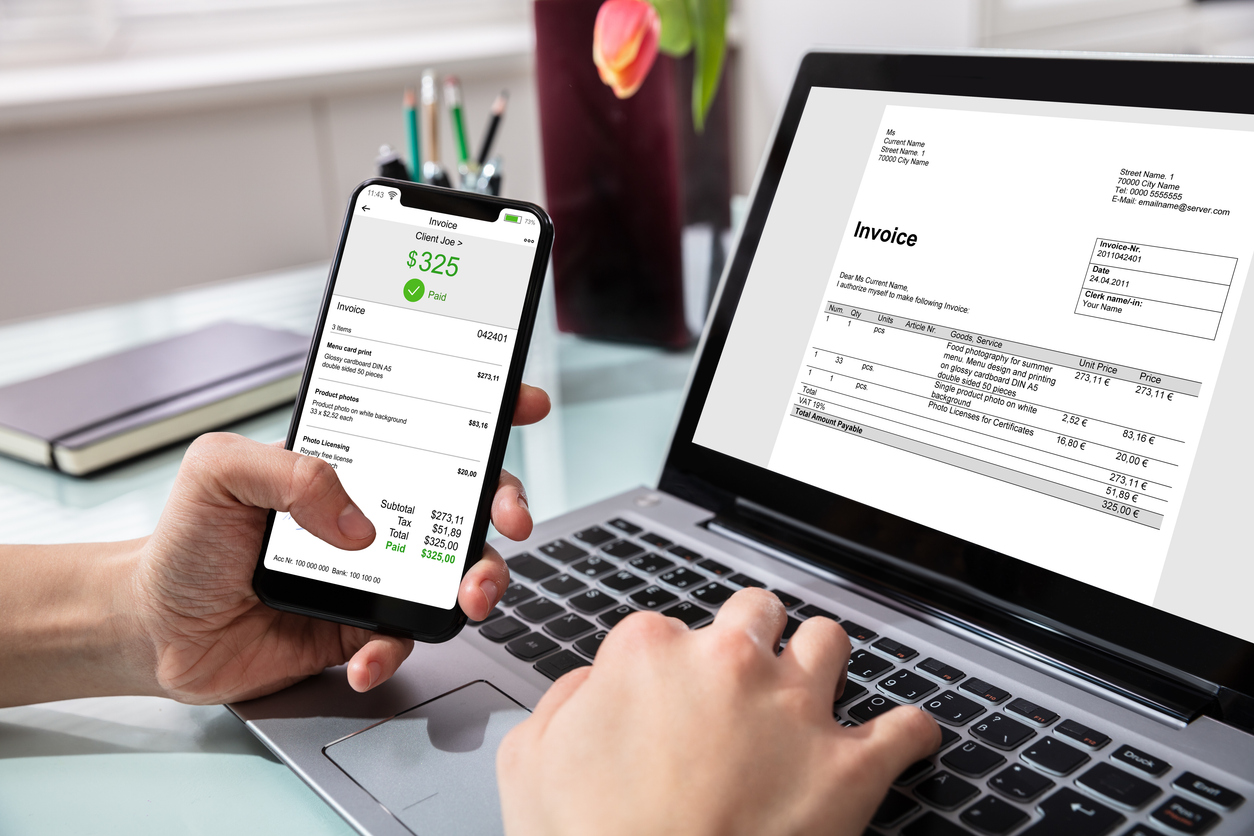
- Billing and Invoicing: Generation of settlement invoices
- Reconciliation: Matching records between operators
- Dispute Management: Resolving inconsistencies in reported traffic
In Nigeria, these processes are guided by regulatory frameworks set by the Nigerian Communications Commission (NCC).
How Telecom Wholesale Settlement in Nigeria Works
1. Traffic Generation and Capture
Every call, SMS, or data session generates a record known as a Call Detail Record (CDR). These records are collected by telecom operators.
2. Data Mediation
Raw data is processed and standardised to ensure consistency before billing.
3. Rating and Pricing
Charges are applied based on agreed interconnect rates and service types.
4. Invoice Creation
Operators generate invoices based on the total traffic exchanged within a billing cycle.
5. Reconciliation and Payment
Both parties compare records, resolve discrepancies, and complete payments.
Importance of Efficient Wholesale Settlement Systems
Accurate telecom wholesale settlement in Nigeria is essential for:
- Revenue Protection: Prevents losses due to incorrect billing
- Operational Transparency: Builds trust between operators
- Regulatory Compliance: Ensures adherence to NCC guidelines
- Dispute Reduction: Minimises conflicts over traffic volumes
Without efficient systems, operators risk financial discrepancies and strained partnerships.
Challenges in Telecom Wholesale Settlement in Nigeria
High Data Volumes
Nigeria’s large telecom market generates significant traffic, making data processing complex.
Inconsistent Data Records
Differences in how operators capture and process data can lead to mismatches.
Fraud and Bypass Activities
Unauthorised routing of traffic can distort settlement figures and reduce revenues.
Manual Processes
Reliance on manual reconciliation increases the risk of errors and delays.
Infrastructure Constraints
Power supply issues and network reliability can impact data accuracy and system uptime.
Best Practices for Improving Wholesale Settlement
Automate Settlement Processes
Using automated systems reduces errors and accelerates reconciliation cycles.
Implement Real-Time Monitoring
Continuous tracking of traffic helps identify discrepancies early.
Strengthen Data Integrity
Robust mediation systems ensure that only accurate, validated data is used.
Standardise Interconnect Agreements
Clear and consistent terms reduce ambiguity and disputes.
Invest in Fraud Detection Tools
Advanced analytics can identify unusual traffic patterns and prevent losses.
The Role of Supply Chain and Logistics in Telecom Operations
While wholesale settlement is primarily a financial and technical process, it depends heavily on reliable infrastructure. Telecom operators require consistent access to network equipment, spare parts, and system components.
Efficient supply chain management ensures:
- Continuous operation of billing and settlement systems
- Timely upgrades of infrastructure
- Reduced downtime caused by equipment shortages
Wigmore Trading supports telecom companies in Nigeria by providing:
- Sourcing of telecom equipment and technology components
- Import and export management with full compliance
- Warehousing and nationwide distribution
- Logistics coordination for critical infrastructure delivery
By ensuring that essential equipment is available when needed, telecom operators can maintain the reliability of their settlement systems.
Future Trends in Telecom Wholesale Settlement
Nigeria’s telecom industry is evolving rapidly, and wholesale settlement systems are adapting accordingly.
Key Trends to Watch
- 5G Deployment: Increased data complexity and higher settlement volumes
- Cloud-Based Platforms: Scalable and flexible settlement systems
- Blockchain Applications: Potential for transparent and tamper-proof settlements
- AI-Driven Analytics: Improved fraud detection and revenue assurance
Operators that adopt modern technologies will be better equipped to handle increasing demand and complexity.
Conclusion
Telecom wholesale settlement in Nigeria plays a vital role in ensuring fair compensation between operators and maintaining the integrity of the telecom ecosystem. As traffic volumes grow and services become more complex, efficient settlement systems are essential for financial stability and operational success.
By combining robust technology with strong infrastructure and logistics support, telecom companies can reduce errors, improve transparency, and scale effectively.
Wigmore Trading can help. Contact Wigmore Trading today to streamline your sourcing.
No Comments Yet.




Comments are closed.