Nigeria's greatest fortunes span cement, telecoms, oil, banking and consumer goods — but look closely and nearly every empire on this list began the same way: with somebody trading. Here are the country's wealthiest business families in 2026 — the Forbes-verified fortunes first, then the dynasties whose private holdings defy precise measurement.
Only four Nigerian fortunes are rigorously tracked by Forbes' billionaire rankings, which value publicly listed companies and disclosed assets; those figures below are from Forbes' March 2026 lists and change with markets. The other family fortunes on this page are held privately — in unlisted companies, land and diversified holdings — and no precise public valuation exists; we describe what they built rather than invent a number. Rankings of private wealth you see elsewhere, including on this page in the past, are estimates at best. We list business families only, ranked and described by their commercial empires.
The Nigerian families whose fortunes appear on Forbes' 2026 billionaire rankings — measured, public, and together worth over $47 billion.
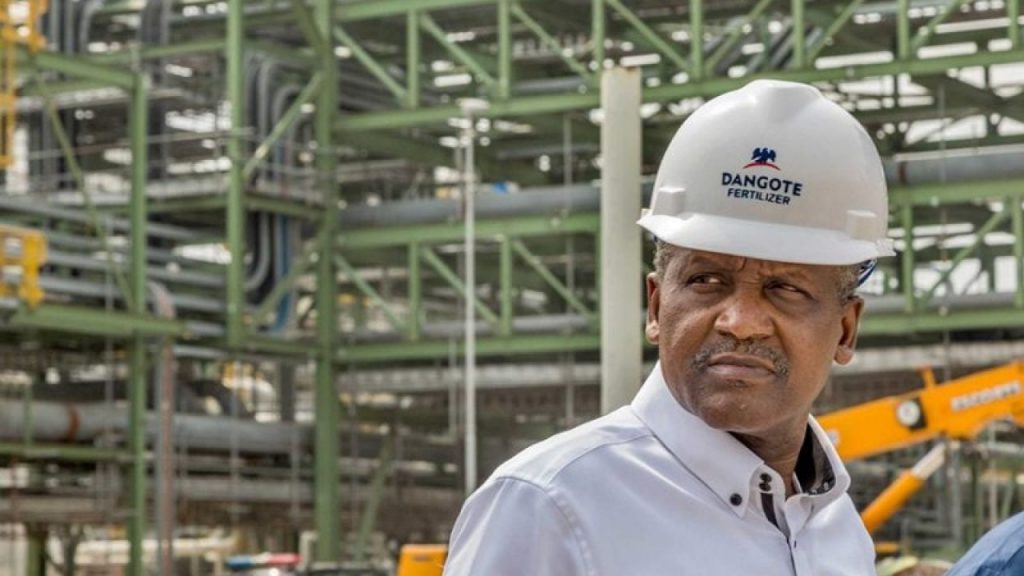
Africa's richest person and its largest conglomerate. Dangote Cement produces across ten countries; the $20 billion Dangote Refinery reached full capacity in early 2026, making Nigeria a net exporter of refined fuel for the first time in decades — and pushing real-time estimates of the fortune past $30 billion. The empire's roots: a trading family in Kano, and a boyhood spent selling sweets for profit.
Source: Forbes Africa Billionaires, March 2026The year's fastest riser — up 120% as BUA Cement shares surged 135%. BUA Group spans cement, sugar, edible oils and property. Like Dangote, Abdulsamad Rabiu is the son of a great Kano trading magnate, Isyaku Rabiu — the second empire on this list built on a trader's foundations. Frequently absent from older "richest families" lists; impossible to omit now.
Source: Forbes Africa Billionaires, March 2026"The Bull" of Nigerian business. Globacom — the second-largest mobile network — laid the Glo-1 submarine cable that carries much of the country's internet; Conoil Producing operates oil blocks in the Niger Delta. Adenuga's first money, famously, came from trading: selling lace and distributing soft drinks before oil and telecoms made the fortune.
Source: Forbes Billionaires, March 2026First fortune made in commodities trading and diesel distribution; the second built in power generation through Geregu Power, the majority of which he sold in 2026 while consolidating financial-sector stakes. The next generation is famous in its own right — proof that Nigerian family wealth now spans boardrooms and pop culture alike.
Source: Forbes Billionaires, March 2026Forbes measures these fortunes once a year. We asked a sillier question: if last year's gains ticked by the second, what would that look like next to your payslip?
At last year's pace of gain.
He out-gained Dangote this year. Cement is having a moment.
The Bull's fortune held about steady this year. In per-second terms, he took the year off — same as the rest of us.
His net worth fell $200 million last year after selling most of Geregu Power. You finished the year up. Congratulations — you out-earned a billionaire.
Family fortunes held in private companies, land and legacy holdings. Nobody outside these families knows the true numbers — and honest lists say so. What's beyond dispute is what they built.
Where modern Nigerian wealth begins. Alhassan Dantata was West Africa's greatest merchant of the early 20th century — groundnuts, kola, cattle — and the dynasty seeded generations of commerce. Aliko Dangote is his great-grandson: Nigeria's largest fortune literally descends from a trading house.
Michael Ibru turned frozen fish — a product rivals dismissed — into one of Nigeria's great conglomerates, then expanded the Ibru Organization into shipping, property, banking and hotels. A dynasty built on seeing value where others saw none.
Mohammed Indimi built Oriental Energy Resources from Maiduguri into offshore oil production — one of the few indigenous operators in Nigeria's upstream sector, with international partnerships and a substantial philanthropic footprint.
Wahab Folawiyo's Yinka Folawiyo Group began with commodity trading in the 1950s and grew into shipping, energy — including operating Nigeria's first indigenous-led offshore field — and infrastructure. The second generation runs it still.
Rasaq Okoya built Eleganza from trading household goods into manufacturing them — plastics, furniture, jewellery, consumer products in millions of Nigerian homes. The classic import-substitution story: trade what the market wants, then make it locally.
Tony Elumelu's Heirs Holdings and stewardship of UBA built a pan-African financial force, while the Tony Elumelu Foundation has seeded over ten thousand African entrepreneurs — "Africapitalism" as both fortune and philosophy. The newest dynasty here, and the most deliberately institutional.
Read the list again and count: Dangote descends from Kano's greatest merchant house. Rabiu's father was a trading magnate. Adenuga sold lace. Otedola traded commodities. Ibru sold fish, Folawiyo traded commodities, Okoya traded household goods before making them. Trade is not the small version of these empires — it's the seed of them.
The sequence repeats across a century: trade builds capital and market knowledge; capital builds distribution; distribution justifies manufacturing; manufacturing becomes infrastructure. It's the same ladder we describe in our own vision — trade what the region can't yet make, help make what it can.
Dangote began with borrowed capital and a commodity to move. If the ladder starts with trade, the first rung is closer than you think — wholesale stock to sell, a market read before you commit, or the export desk for your first shipment.

