
Understanding Dry Bulk Shipping in Nigeria
Talk to us about this service
Trade, import, logistics, sourcing — whatever you're planning, the fastest way to a quote is a WhatsApp message. Our team replies during Lagos business hours.
WhatsApp usYour message tells us which page you came from
Dry bulk shipping is a vital component of global trade, and Nigeria’s role as a maritime hub in West Africa makes it a key player in this sector. From agricultural products to minerals, Nigeria’s ports handle a variety of bulk commodities that are essential to both domestic and international markets. This article explores the dynamics of dry bulk shipping in Nigeria, highlighting its key features, benefits, and challenges.
What is Dry Bulk Shipping?
Dry bulk shipping refers to the transportation of bulk commodities that are not packaged and are shipped in large quantities. These include goods such as:
- Grains (wheat, maize, rice)
- Coal
- Fertilizers
- Cement
- Iron ore and other minerals
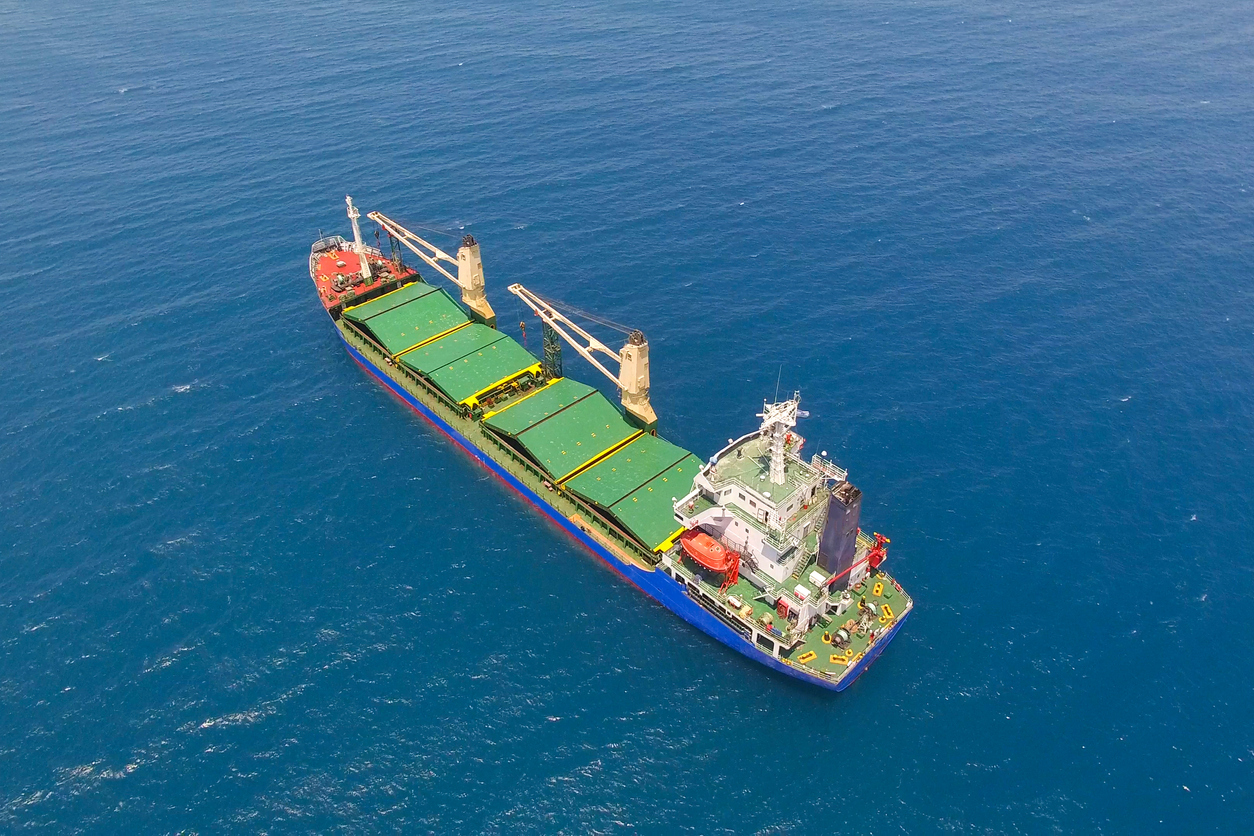
The commodities are typically loaded directly into a ship’s hold and transported using specialized vessels known as bulk carriers.
Nigeria’s Role in Dry Bulk Shipping
Major Ports Handling Dry Bulk Cargo
Nigeria has several strategic ports equipped to handle dry bulk cargo efficiently:
- Lagos Port Complex (Apapa Port): Handles significant volumes of agricultural products and cement.
- Tin Can Island Port: Known for dry bulk imports like fertilizers and grains.
- Port Harcourt Port: Plays a crucial role in transporting minerals and industrial raw materials.
- Onne Port: A leading port for dry bulk exports, particularly in oil and gas-related products.
Key Commodities Exported and Imported
- Exports: Cocoa, sesame seeds, and solid minerals such as limestone.
- Imports: Fertilizers, wheat, and other industrial raw materials.
Benefits of Dry Bulk Shipping in Nigeria
- Cost-Effectiveness: Transporting large quantities of goods reduces shipping costs per ton compared to container shipping.
- Efficiency: Bulk carriers are designed to handle massive loads, making them ideal for high-volume trade.
- Economic Growth: Facilitates trade and boosts Nigeria’s GDP by supporting key industries such as agriculture and mining.
Challenges Facing Dry Bulk Shipping in Nigeria
- Infrastructure Deficits: Many Nigerian ports face challenges such as shallow drafts and outdated equipment, which hinder the handling of large bulk carriers.
- Congestion: Overcrowded ports, particularly in Lagos, often delay shipments.
- Regulatory Bottlenecks: Inefficient customs processes and multiple government agencies at the ports can slow down operations.
- Security Concerns: Piracy in the Gulf of Guinea remains a threat to maritime trade, impacting dry bulk shipping.
Role of Wigmore Trading in Dry Bulk Shipping
Wigmore Trading plays a crucial role in facilitating dry bulk shipping in Nigeria by providing streamlined services that connect exporters and importers with reliable bulk shipping solutions.
What Wigmore Trading Offers:
- Assistance with logistics and transportation of dry bulk commodities.
- Connections to trusted shipping lines and bulk carriers.
- Expertise in navigating Nigeria’s port systems and regulations.
- Competitive pricing for bulk trade logistics.
Wigmore Trading’s vast network and deep knowledge of the Nigerian market make it a trusted partner for businesses looking to optimize their dry bulk shipping needs.
Future Outlook for Dry Bulk Shipping in Nigeria
With ongoing investments in port infrastructure, such as the Lekki Deep Sea Port, and government initiatives to streamline trade processes, the future of dry bulk shipping in Nigeria looks promising. Enhanced facilities and better security measures will likely attract more bulk shipping operations, boosting Nigeria’s position in global trade.

Comments are closed.