
Urban Farming Solutions in Havana: Sustainable Agriculture in Cuba’s Urban Landscape
Talk to us about this service
Trade, import, logistics, sourcing — whatever you're planning, the fastest way to a quote is a WhatsApp message. Our team replies during Lagos business hours.
WhatsApp usYour message tells us which page you came from
Urban farming has become an essential part of Cuba’s food system, particularly in Havana, where limited imports and economic constraints have driven innovation in local food production. Today, urban farming solutions in Havana offer practical lessons for businesses, governments, and agricultural stakeholders across Africa and other emerging markets.
This article explores how urban agriculture operates in Havana, the challenges it addresses, and how similar models can be adapted for supply chain resilience and sustainable distribution.
Understanding Urban Farming Solutions in Havana
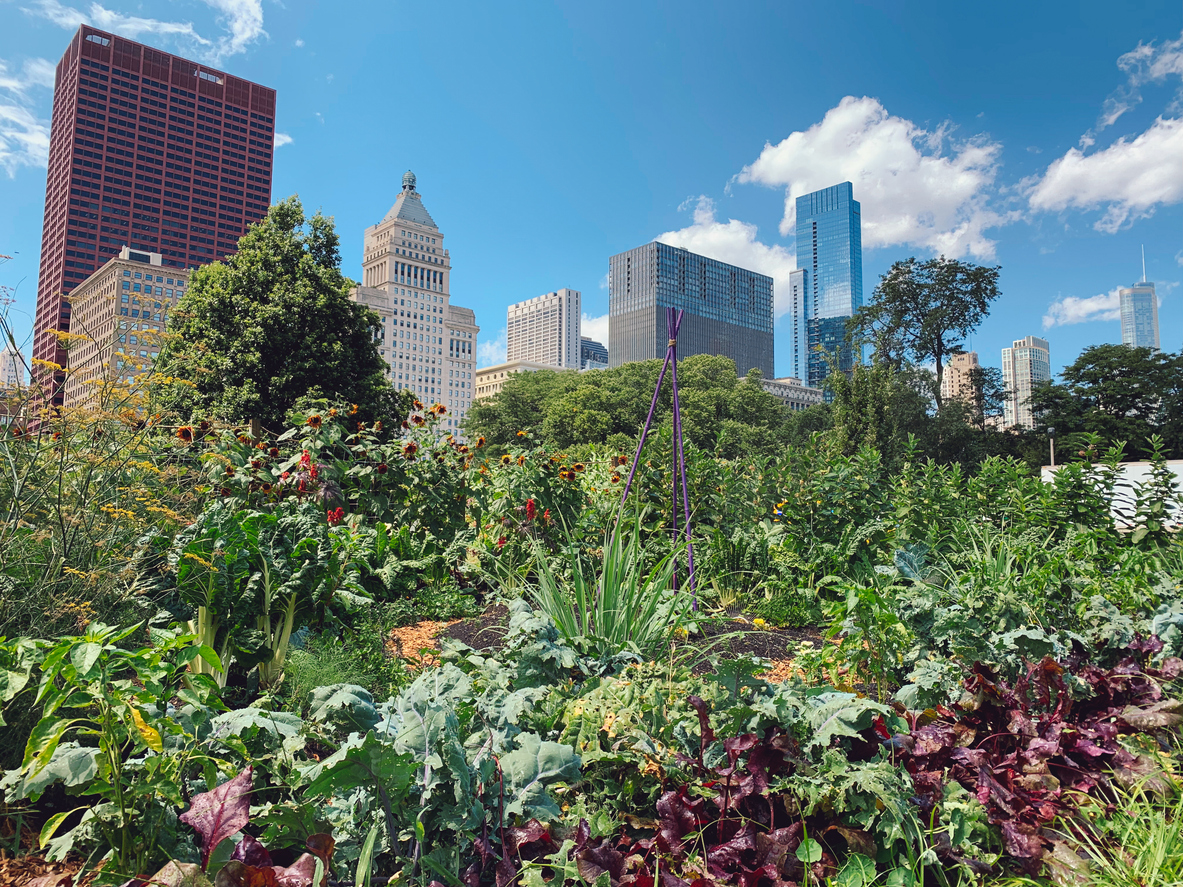
Havana’s urban farming system, often referred to as organopónicos, consists of small-scale, intensive farms located within the city. These farms use organic methods, raised beds, and local inputs to grow vegetables and herbs close to consumers.
The primary drivers behind this model include:
- Limited access to imported food and agricultural inputs
- Rising demand for fresh, affordable produce
- The need to reduce transportation and logistics costs
By integrating production directly into urban environments, Havana has created a decentralised food supply system that improves food security and reduces dependency on long supply chains.
Key Components of Cuba’s Urban Farming Model
1. Localised Production Systems
Urban farms in Havana are strategically located near residential areas, reducing the need for long-distance transportation. This ensures:
- Fresher produce for consumers
- Lower distribution costs
- Reduced post-harvest losses
For businesses in Africa, this model highlights the value of short supply chains, especially in densely populated cities.
2. Organic and Low-Input Farming Techniques
Due to limited access to chemical fertilisers and pesticides, Cuban farmers rely on:
- Composting and organic fertilisers
- Biological pest control
- Crop rotation and diversification
These practices not only lower costs but also align with global demand for sustainably sourced agricultural products.
3. Government and Community Support
Urban farming in Havana is supported by policy frameworks that:
- Allocate land for urban agriculture
- Provide training and technical support
- Encourage community participation
This structured support system has been critical in scaling urban farming initiatives and ensuring consistent production.
Challenges Addressed by Urban Farming Solutions
Food Supply Instability
Urban farming helps stabilise food availability by reducing reliance on imports. In markets with volatile trade conditions, this approach ensures a more predictable supply of essential goods.
High Logistics Costs
Traditional agricultural supply chains often involve long transport routes, cold storage, and multiple intermediaries. Urban farming significantly reduces these costs by producing food closer to consumption points.
Limited Access to Fresh Produce
In many urban areas, access to fresh fruits and vegetables is inconsistent. Havana’s model ensures daily availability of locally grown produce, improving food quality and nutrition.
Relevance for African Markets and Trade
The success of urban farming solutions in Havana offers valuable insights for African cities facing similar challenges, including rapid urbanisation, infrastructure gaps, and supply chain inefficiencies.
Opportunities for Adaptation
- City-based agriculture hubs to supply local markets
- Integration with wholesale distribution networks
- Development of micro-farming clusters for SMEs
These approaches can strengthen domestic supply chains and reduce reliance on imports.
The Role of Supply Chain and Distribution Partners
While urban farming improves production, efficient distribution remains essential. This is where experienced trading and logistics partners play a key role.
Wigmore Trading, for example, supports businesses by:
- Sourcing agricultural inputs and equipment
- Facilitating import/export processes where needed
- Managing logistics and distribution across regional markets
- Ensuring compliance with trade and quality standards
By combining local production models with professional supply chain management, businesses can scale urban farming initiatives more effectively.
Integrating Urban Farming into Commercial Supply Chains
For urban farming to move beyond subsistence and into commercial viability, businesses must focus on:
Standardisation and Quality Control
Consistent product quality is essential for wholesale and retail distribution. This requires:
- Defined growing standards
- Proper handling and packaging
- Reliable supply volumes
Market Access
Urban farmers need structured access to:
- Supermarkets and retail chains
- Food service providers
- Export opportunities where applicable
Logistics Coordination
Even with local production, efficient movement of goods within cities is critical. This includes:
- Last-mile delivery solutions
- Storage and inventory management
- Demand forecasting
Wigmore Trading can help bridge these gaps by connecting producers with markets and managing the logistics required for smooth operations.
Future Outlook for Urban Farming in Havana and Beyond
Urban farming in Havana continues to evolve, with increasing emphasis on:
- Climate-resilient farming practices
- Technology integration (such as irrigation systems)
- Expanding production capacity within limited urban space
For African markets, adopting similar models can contribute to:
- Greater food security
- Job creation in urban areas
- More efficient and sustainable supply chains
Conclusion
Urban farming solutions in Havana demonstrate how cities can transform agricultural challenges into opportunities for sustainable growth. By focusing on local production, efficient distribution, and community engagement, this model offers a practical blueprint for other regions.
Businesses looking to adopt or scale urban farming initiatives must also consider the importance of logistics, sourcing, and market access.
Wigmore Trading can help. Contact Wigmore Trading today to streamline your sourcing.
No Comments Yet.






Comments are closed.