
What Equipment Do Security Guards Use in Nigeria?
Talk to us about this service
Trade, import, logistics, sourcing — whatever you're planning, the fastest way to a quote is a WhatsApp message. Our team replies during Lagos business hours.
WhatsApp usYour message tells us which page you came from
Security guards play a critical role in safeguarding businesses, residential properties, and industrial facilities across Nigeria. As security risks evolve, so does the equipment used by guards to monitor, deter, and respond to threats effectively. Understanding what equipment security guards use in Nigeria is essential for organisations seeking reliable protection and efficient security operations.
This article outlines the key tools and technologies commonly used, their importance, and how businesses can ensure proper sourcing and deployment.
Essential Security Guard Equipment in Nigeria
Security guards rely on a combination of basic and advanced equipment to perform their duties effectively. The type of equipment used often depends on the environment—such as corporate offices, warehouses, ports, or retail spaces.
1. Communication Devices
Reliable communication is fundamental for security operations.
- Two-way radios (walkie-talkies): Used for real-time communication between guards and control rooms
- Mobile phones: Serve as backup communication tools
- Intercom systems: Common in residential and commercial complexes
These devices help coordinate responses quickly, especially in large facilities or high-traffic areas.
2. Surveillance and Monitoring Tools
Modern security operations in Nigeria increasingly depend on surveillance technology.
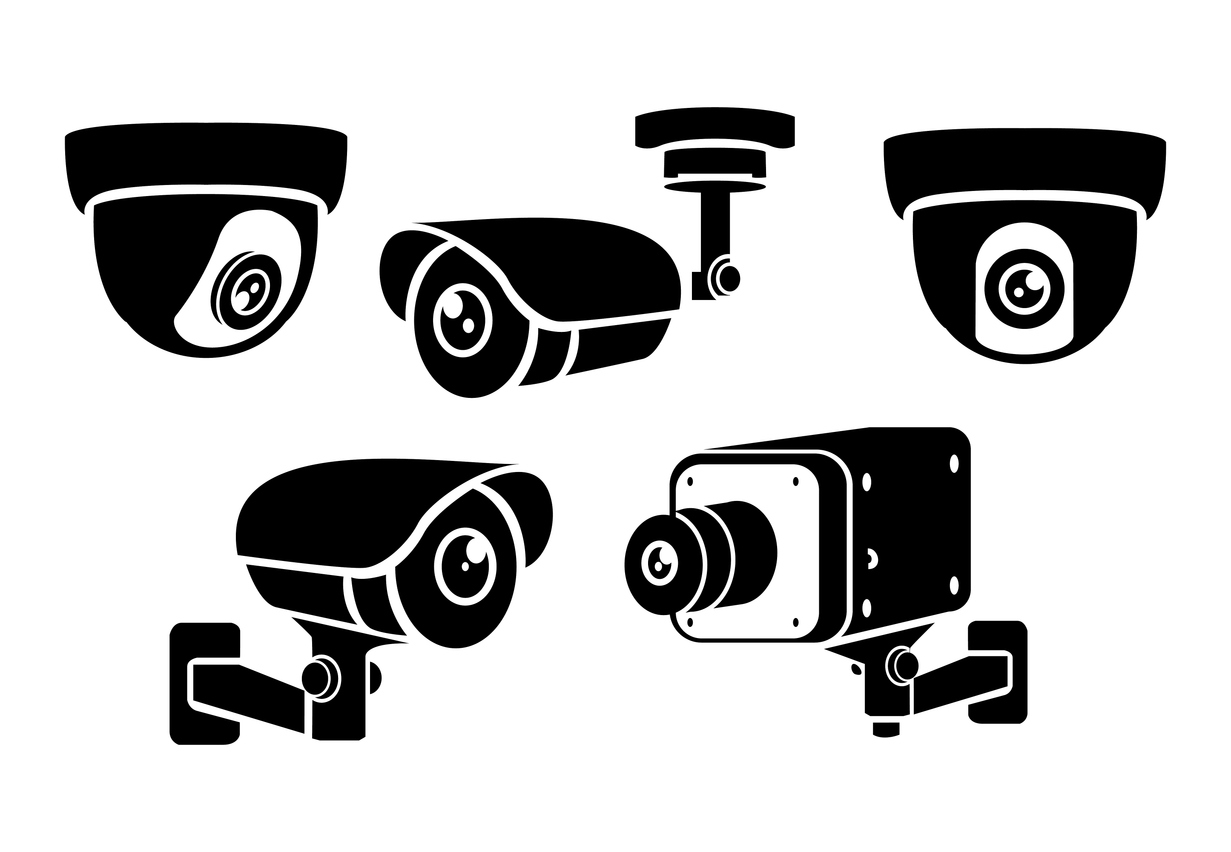
- CCTV cameras: Provide continuous monitoring and recording
- Body cameras: Used to document incidents and enhance accountability
- Access control systems: Include biometric scanners and keycard systems
For businesses managing warehouses or distribution centres, surveillance systems are essential for preventing theft and ensuring operational transparency.
3. Personal Protective Equipment (PPE)
Security guards require protective gear to ensure their safety while on duty.
- Uniforms and boots: Provide identification and durability
- Protective vests: Offer basic protection in higher-risk environments
- Helmets and gloves: Used in industrial or construction sites
Proper PPE ensures guards can operate safely in different working conditions, particularly in logistics and manufacturing environments.
Defensive Tools Used by Security Guards
4. Non-Lethal Weapons
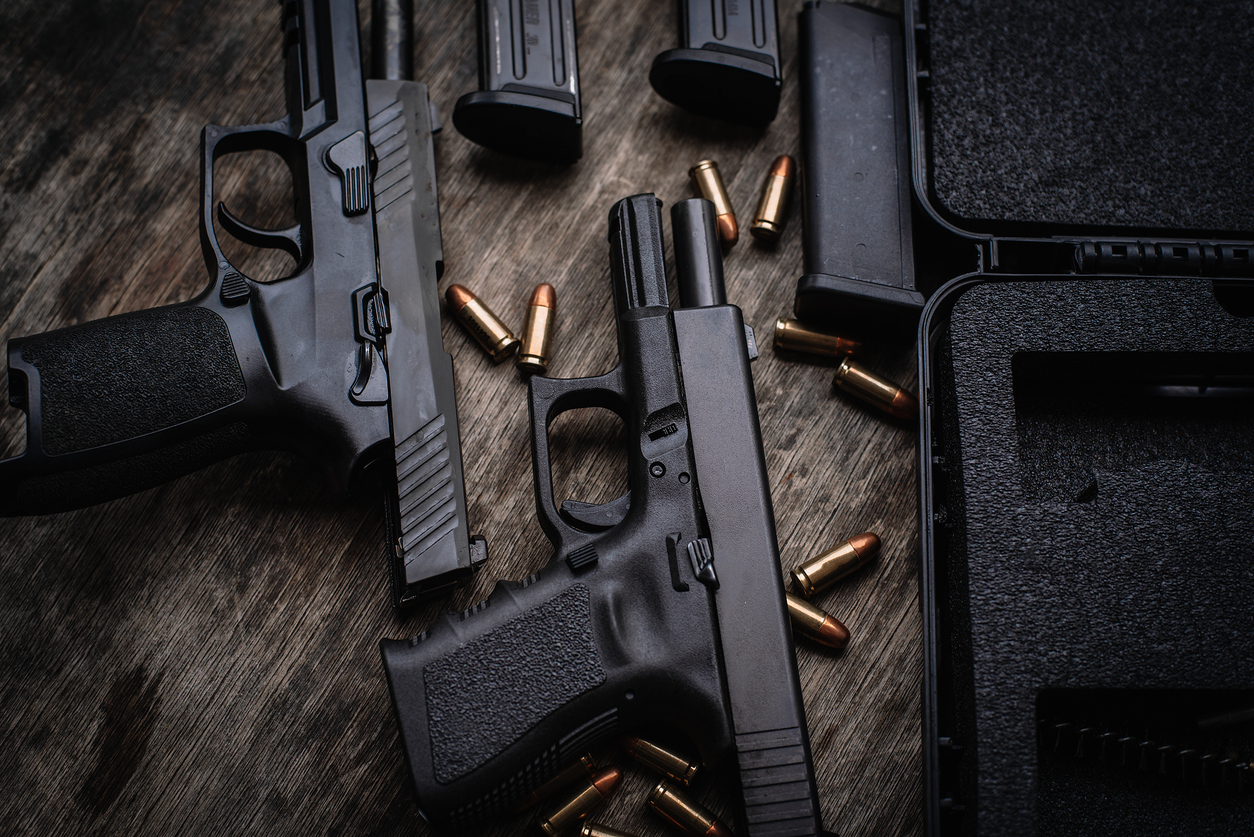
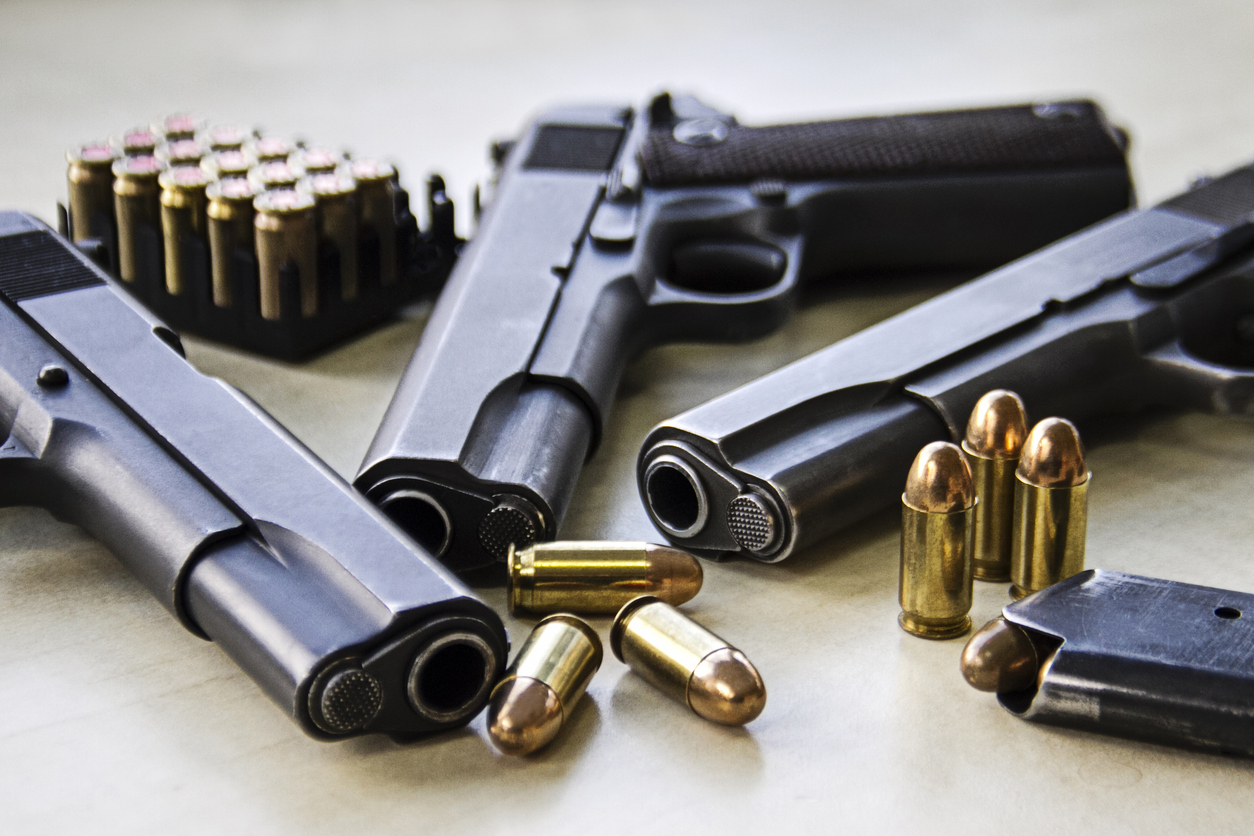
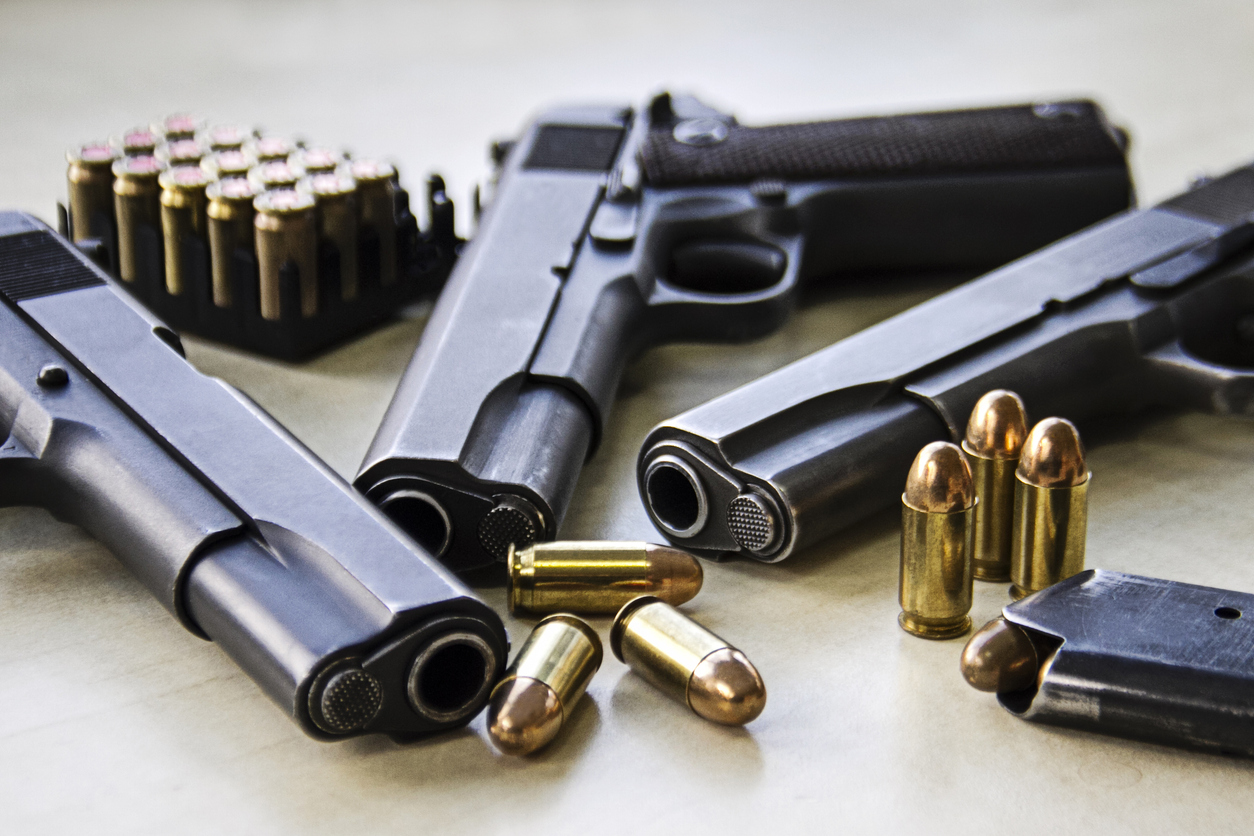
In Nigeria, most private security personnel are not authorised to carry firearms. Instead, they rely on non-lethal tools such as:
- Batons: For self-defence and crowd control
- Pepper spray: Used to deter aggressive individuals
- Handcuffs: For restraining suspects until law enforcement arrives
These tools allow guards to manage threats without escalating situations unnecessarily.
5. Alarm Systems and Detectors
Security guards often operate alongside automated systems.
- Intrusion alarms: Detect unauthorised entry
- Metal detectors: Common in malls, offices, and event venues
- Fire alarms and smoke detectors: Ensure safety compliance
These systems enhance the guard’s ability to respond quickly to potential risks.
Logistics and Industrial Security Equipment
For businesses involved in import/export, warehousing, and FMCG distribution, security requirements are more complex.
6. Vehicle Inspection Tools
- Inspection mirrors: Used to check under vehicles
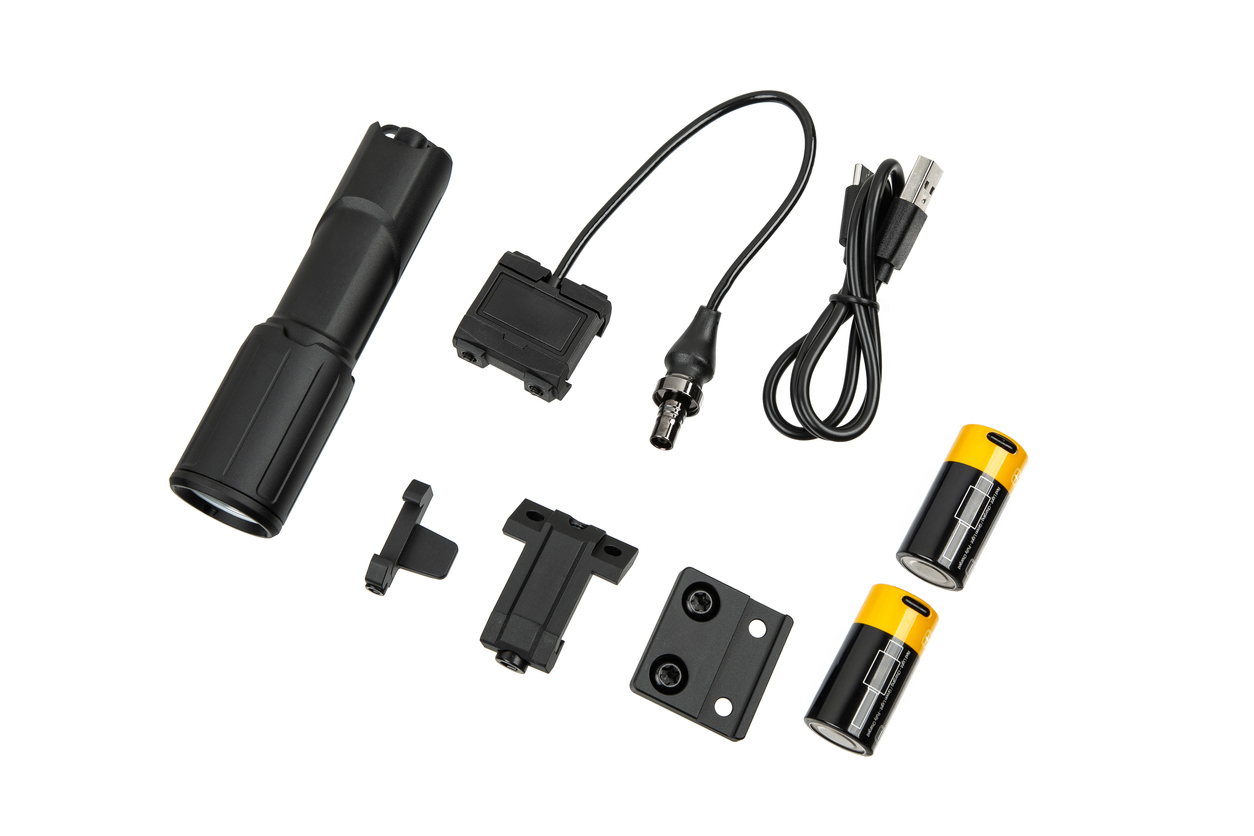
- Torchlights: Essential for night inspections
- Barrier systems: Control entry and exit points
These tools are critical in ports, warehouses, and logistics hubs where cargo security is a priority.
7. Tracking and Reporting Systems
Digital tools are increasingly used in Nigeria’s security sector.
- Guard tour systems: Track patrol routes and ensure compliance
- Incident reporting software: Enables real-time reporting
- GPS tracking devices: Monitor movement in large facilities
Such systems improve accountability and provide data for better decision-making.
Challenges in Sourcing Security Equipment in Nigeria
Despite the availability of equipment, businesses often face challenges such as:
- Inconsistent quality: Low-grade equipment can fail during critical moments
- Supply chain delays: Importation bottlenecks can disrupt operations
- Regulatory compliance: Some equipment requires approvals or certifications
For companies operating across multiple locations, these challenges can impact overall security performance.
How Wigmore Trading Supports Security Equipment Needs
Sourcing reliable security equipment requires strong supplier networks and efficient logistics. Wigmore Trading supports businesses in Nigeria by:
- Facilitating bulk procurement of security equipment
- Ensuring quality assurance through vetted suppliers
- Managing importation and customs clearance
- Supporting distribution across Nigeria and West Africa
For organisations in FMCG, logistics, and wholesale distribution, having a dependable partner helps maintain consistent security standards across operations.
Choosing the Right Equipment for Your Business
Selecting appropriate security equipment depends on several factors:
- Nature of the business (retail, warehouse, industrial)
- Level of risk and threat exposure
- Size and layout of the facility
- Regulatory requirements
A tailored approach ensures that resources are used efficiently while maintaining effective protection.
Conclusion
Understanding what equipment security guards use in Nigeria is essential for building a reliable security framework. From communication devices and surveillance systems to non-lethal defensive tools and digital monitoring solutions, each piece of equipment plays a vital role in maintaining safety and operational continuity.
Businesses must prioritise quality, compliance, and proper integration of these tools to achieve effective results. With the right sourcing and logistics support, organisations can overcome common challenges and implement robust security systems.
Wigmore Trading can help. Contact Wigmore Trading today to streamline your sourcing.
No Comments Yet.

Comments are closed.