
What Is Tapioca Starch? Uses, Benefits, and Industry Applications
Talk to us about this service
Trade, import, logistics, sourcing — whatever you're planning, the fastest way to a quote is a WhatsApp message. Our team replies during Lagos business hours.
WhatsApp usYour message tells us which page you came from
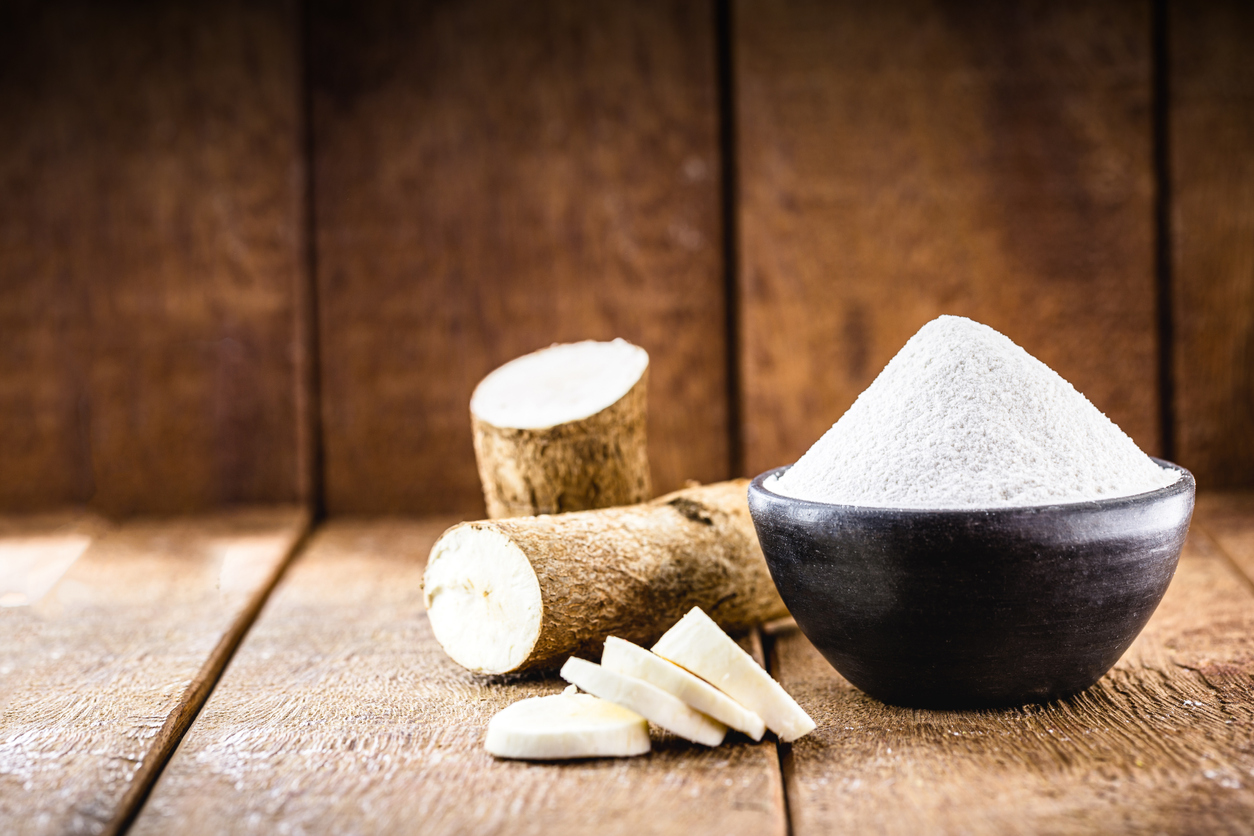
Tapioca starch, also known as tapioca flour, is a highly versatile and widely used ingredient in the food, pharmaceutical, and industrial sectors. Extracted from the cassava root (Manihot esculenta), this fine white powder serves as a thickener, stabilizer, and gluten-free alternative in various applications.
In this article, we’ll explore what tapioca starch is, how it’s made, its benefits, and its diverse uses across industries.
1. What Is Tapioca Starch?
Tapioca starch is a neutral-flavored, odorless starch derived from the cassava plant, a tuber native to South America but widely cultivated in tropical regions like Thailand, Vietnam, Brazil, and Nigeria.
It is naturally gluten-free, grain-free, and allergen-free, making it a popular ingredient in gluten-free baking, food processing, and industrial applications.
2. How Is Tapioca Starch Made?
The production of tapioca starch involves several key steps:
- Cassava Harvesting – The cassava roots are harvested, cleaned, and peeled.
- Grinding and Pulping – The roots are crushed to release the starchy liquid.
- Filtration and Extraction – The starchy water is filtered to separate pure starch granules from fiber and impurities.
- Drying and Powdering – The extracted starch is dried into a fine, white powder, ready for packaging and distribution.
3. Nutritional Profile of Tapioca Starch
Although tapioca starch is low in nutrients, it is valued for its high carbohydrate content and digestibility. Below is its nutritional composition per 100g:
| Nutrient | Amount |
|---|---|
| Calories | 358 kcal |
| Carbohydrates | 88 g |
| Protein | 0.2 g |
| Fat | 0.02 g |
| Fiber | 0.9 g |
| Calcium | 20 mg |
| Iron | 0.3 mg |
While not a significant source of vitamins or minerals, tapioca starch provides energy and serves as an excellent alternative for people with gluten sensitivities.
4. Uses of Tapioca Starch in Different Industries
Tapioca starch is highly functional, making it a key ingredient across multiple industries:
A. Food Industry
- Thickening Agent – Used in soups, gravies, and sauces.
- Gluten-Free Flour Substitute – Common in gluten-free baking (cakes, breads, pastries).
- Bubble Tea Production – Essential for making chewy tapioca pearls.
- Crispy Coating for Fried Foods – Improves texture in battered and breaded foods.
- Processed Food Additive – Found in instant soups, noodles, and snacks.
B. Pharmaceutical Industry
- Tablet Binder – Helps in pill and capsule formation.
- Filler in Medications – Used in powdered medicines and syrups.
C. Textile and Paper Industry
- Fabric Sizing Agent – Improves strength and texture of woven fabrics.
- Paper Coating – Enhances smoothness and ink absorption.
D. Industrial and Adhesive Applications
- Eco-Friendly Packaging – Used in making biodegradable plastics.
- Adhesives & Glue Production – Provides strong binding properties.
5. Key Benefits of Tapioca Starch
✅ Gluten-Free & Allergen-Free
- Safe for individuals with gluten intolerance or celiac disease.
- Suitable for paleo, keto, and grain-free diets.
✅ Highly Digestible & Energy-Rich
- Easily digestible, making it ideal for infant foods and elderly nutrition.
- Provides instant energy due to its high carbohydrate content.
✅ Neutral Taste & Smooth Texture
- Does not alter the flavor of food products.
- Helps create a smooth, silky texture in sauces, soups, and desserts.
✅ Resistant to Freezing and Thawing
- Unlike cornstarch, tapioca starch maintains its consistency when frozen.
- Ideal for frozen foods like ice creams, fruit fillings, and sauces.
6. Tapioca Starch vs. Other Starches: What’s the Difference?
| Starch Type | Source | Best Uses | Key Features |
|---|---|---|---|
| Tapioca Starch | Cassava Root | Baking, gluten-free cooking, thickening | Neutral taste, glossy finish, freeze-thaw stability |
| Cornstarch | Corn | Soups, gravies, frying | Thickens quickly but becomes cloudy |
| Potato Starch | Potatoes | Baking, sauces, soups | High moisture retention, soft texture |
| Arrowroot Starch | Arrowroot Plant | Vegan cooking, sauces | Resistant to acidic ingredients |
7. Where to Buy Tapioca Starch in Bulk?
If you’re looking to buy tapioca starch wholesale, consider these sources:
1. International Suppliers
- Thailand, Vietnam, Brazil, and Nigeria are major producers of tapioca starch.
- Bulk orders are available through manufacturers and exporters.
2. Online Wholesale Marketplaces
- Alibaba, Global Sources, and Made-in-China offer direct bulk purchasing options.
- Amazon Business and eBay Wholesale also provide bulk packaging.
3. Local Distributors & Food Suppliers
- Many food ingredient wholesalers supply tapioca starch in 25kg bags or bulk containers.
- Wigmore Trading specializes in sourcing and distributing tapioca starch in bulk across Africa and international markets.
8. Conclusion
Tapioca starch is a highly versatile, gluten-free ingredient used in food, pharmaceutical, and industrial applications. Its neutral taste, thickening properties, and freeze-thaw stability make it an essential ingredient in various industries.
Looking for premium-quality tapioca starch in bulk? Wigmore Trading offers wholesale supply and export solutions for businesses worldwide. Contact us today to place your order!

Comments are closed.