
Beef, Sheep and Goat Meat from Australia: Wholesale Sourcing Guide
Talk to us about this service
Trade, import, logistics, sourcing — whatever you're planning, the fastest way to a quote is a WhatsApp message. Our team replies during Lagos business hours.
WhatsApp usYour message tells us which page you came from
Buying meat from Australia for distribution, foodservice or processing starts with an exact product schedule. Beef, sheep meat and goat meat differ by cut, preparation, packing and storage condition. A workable wholesale offer needs to identify the goods your customers can use and your destination can legally receive.
Wigmore Trading can review an Australian meat sourcing brief and discuss supplier information, sample or inspection coordination and temperature-controlled delivery options where available. Send the species, cuts, quantity, destination and delivery window. Product eligibility, supply availability and the scope of support are confirmed against the proposed order.
Australian beef: chilled and frozen purchasing decisions
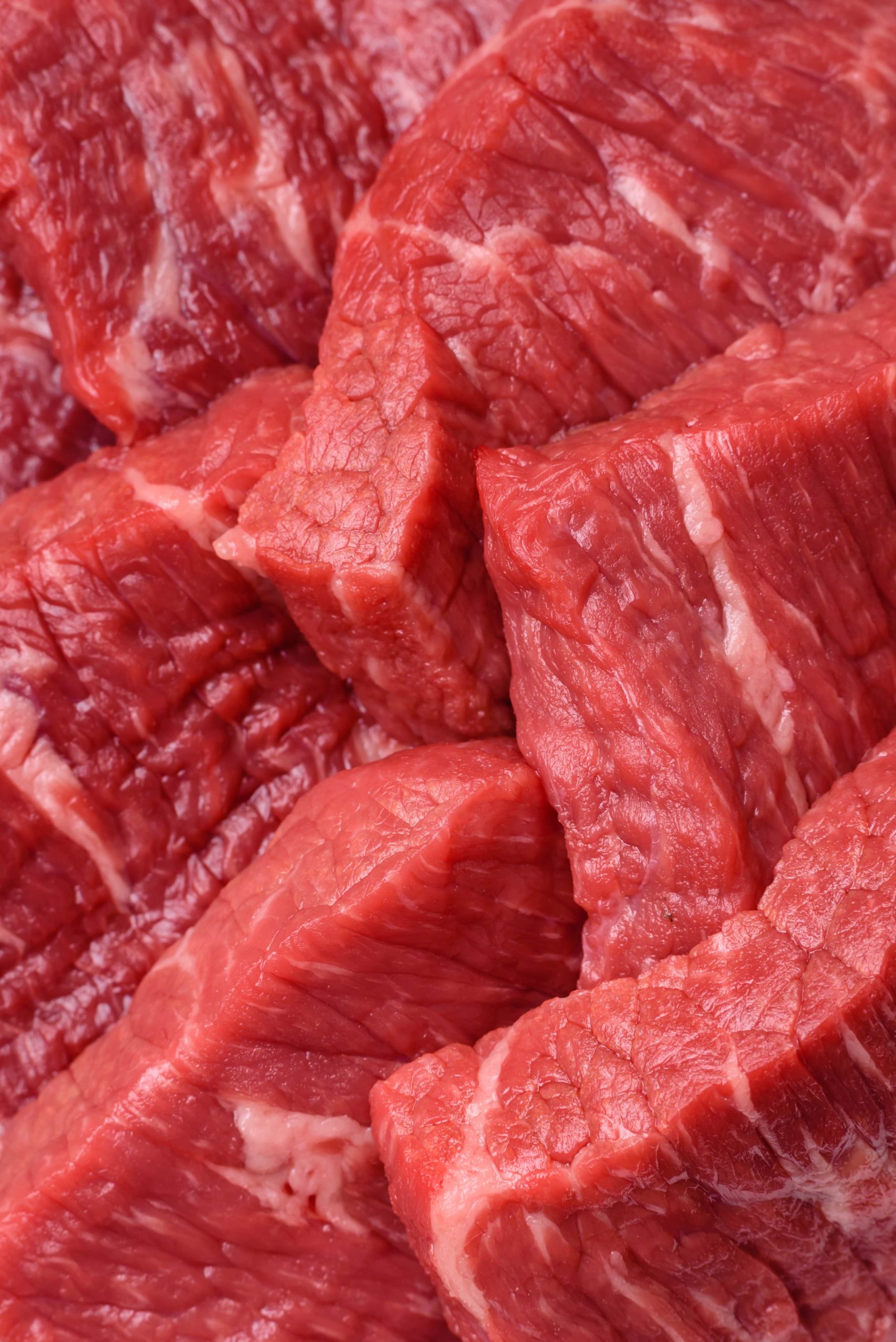
For beef, identify the cut or product required, preparation and trim specification, pack configuration and intended use. A steak-cut enquiry, a foodservice portion order and a processing input need different details. Ask the supplier to identify the producer and exact product reference, with a clear written specification.
State whether you require chilled or frozen beef. Compare the producer’s storage instructions, production and packing dates, transport plan and remaining shelf life on arrival. A chilled offer should not be substituted with frozen material, or the reverse, without the receiving buyer’s technical and commercial approval.
For a mixed-cut order, request quantities and prices by item. This allows a distributor to compare the sell-through and margin of the assortment rather than judging a container by one attractive headline price. Agree what happens if a particular cut cannot be supplied in the requested quantity.
Sheep and goat meat: name the species and product form
Identify sheep or goat meat separately and describe the exact cut, carcass presentation where relevant, bone condition and storage format. Ask the proposed supplier which products it can actually offer for the intended export market. Country export totals do not establish availability of every species or cut.
A foodservice buyer should explain the desired portioning and kitchen use; a distributor should provide its retail or wholesale pack requirements. Record any customer-required production, slaughter or dietary specification and obtain evidence that covers the actual product and shipment.
If halal certification is required, confirm the certifying body and destination recognition rather than relying on a general supplier claim. DAFF’s guidance on halal red-meat exports explains Australia’s framework. The relevant approvals still need to match the establishment, product and destination.
Confirm export and import eligibility at product level
Australia’s DAFF meat export guide directs exporters to check importing-country requirements and necessary approvals. Have the exporter and receiving importer confirm the exact product, establishment, permits, certificates and destination acceptance before dispatch.
For Nigeria, avoid relying on a generic old statement that all beef or all red meat has one import status. A USDA assessment of Nigeria’s 2026 trade-policy changes records differences by product code and form. Obtain current confirmation for the actual cut and route from the importer and relevant authorities; a change to an import-prohibition list does not settle every sanitary or registration requirement.
Wholesale meat enquiry worksheet
| Requirement | Details to agree |
|---|---|
| Product | Species, cut, preparation, bone condition and approved product reference |
| Storage format | Chilled or frozen, producer instructions and required shelf life |
| Packing | Unit weight, carton configuration, labels and batch identification |
| Eligibility | Destination acceptance, establishment status and required documents |
| Quality | Agreed specification, sample review and inspection scope |
| Delivery | Quantity by item, receiving location and cold-chain responsibilities |
Plan the complete cold chain
Review collection, loading, main transport, port or airport waiting, clearance and final delivery against the producer’s product instructions. Agree who provides suitable storage and transport at each handover. A refrigerated main journey is insufficient if the receiving arrangements cannot maintain the required conditions.
Where monitoring is required, specify the records to be provided and who reviews them on receipt. Have the receiving food-safety team define acceptance and escalation procedures. Include a realistic clearance and storage plan so a paperwork delay does not become an uncontrolled product-handling problem.
Compare cost per usable unit
Request a dated offer with prices by cut and pack, net weights, currency, validity and the named delivery point. Separate product cost, inspection, export documentation, freight, agreed insurance, destination charges and final delivery. Ask the buyer’s technical team to consider usable yield and portioning requirements in the comparison.
Use our freight enquiry worksheet to prepare weights, dimensions and the route, with a product-specific cold-chain assessment. After dispatch, retain the references explained in our shipment tracking guide.
Discuss your meat sourcing brief
Email your product schedule, quantity, destination, required shelf life and delivery window to sales@wigmoretrading.com. Include the receiving business and any approval or certification requirements already identified.
Send a wholesale meat enquiry on WhatsApp or book an initial consultation. Wigmore Trading will review the brief and confirm the available sourcing and logistics scope for eligible products before an order proceeds.

Comments are closed.