
Raw Cotton and Wool from Australia: Textile Fibre Sourcing Guide
Talk to us about this service
Trade, import, logistics, sourcing — whatever you're planning, the fastest way to a quote is a WhatsApp message. Our team replies during Lagos business hours.
WhatsApp usYour message tells us which page you came from
Raw cotton and wool from Australia are purchased for different manufacturing processes, but both demand a specification-led approach. Textile mills need to understand the fibre they are buying, how its quality has been measured and whether the offered lot fits their production requirements. An origin description or attractive bale photograph cannot answer those questions on its own.
Wigmore Trading can help coordinate sourcing enquiries for Australian textile fibres around your mill’s technical brief, quantity, delivery destination and supplier approval process. This guide explains the questions to ask before comparing quotations, approving samples or arranging international freight.
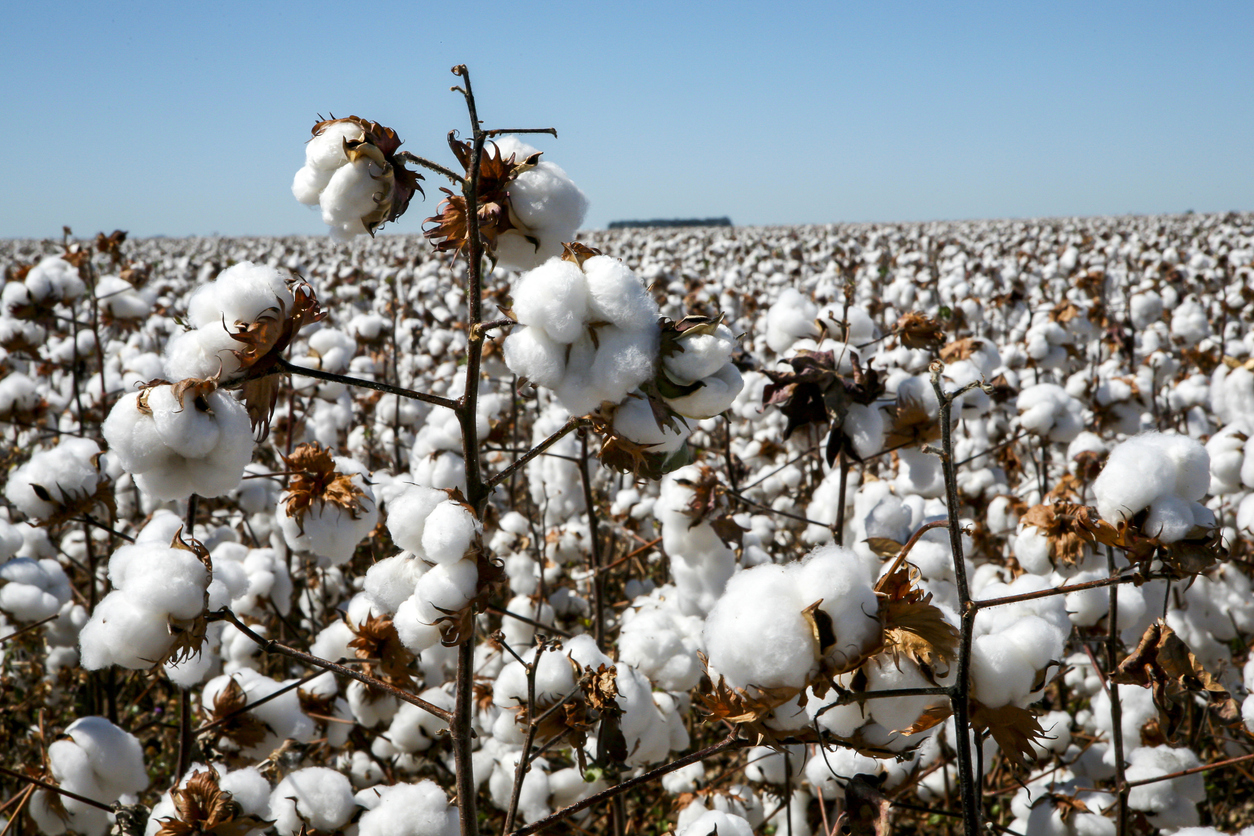
Buying raw cotton from Australia
First confirm that you need ginned raw cotton rather than seed cotton, cottonseed, yarn or fabric. State the intended spinning process and end product so the enquiry can focus on technically suitable material. Your mill should define its requirements for staple length, strength, micronaire, colour, trash and contamination, including which characteristics are acceptance limits and which are preferences.
Ask for classing information tied to identifiable bales. Australian Cotton’s explanation of cotton classing describes how quality measurements support buying decisions. Use the relevant measurements to assess the offered lot; a general claim about Australian cotton quality does not replace the records for your actual shipment.
Micronaire should be evaluated alongside the other fibre properties and your process requirements. Do not select material on one number without a technical review. For a new origin, supplier or product line, agree whether your mill needs sample testing, a spinning trial or another approval step before a larger supply programme is confirmed.
Request crop year, bale identification, weights, packing condition and traceability information. If organic or other certification is a buying condition, verify the certificate scope, validity and chain of custody for the offered material. Origin, certification and consistent performance are separate questions that each need evidence.
Buying wool from Australia
Specify whether the enquiry is for greasy wool, scoured wool, wool tops or another processing stage. These formats are not interchangeable, and an apparently lower price may reflect material that requires additional processing before use. Include the intended product, preferred fibre characteristics and the operations your facility can perform.
Important evaluation points can include mean fibre diameter, yield, vegetable matter, staple length and staple strength, depending on the material and use. AWTA’s wool-testing guidance explains the role of objective testing. Request the appropriate report for the offered lot and check which measurements are supplied, rather than assuming that a short commercial description provides a full specification.
Understand the weight basis when comparing greasy and processed wool. Your manufacturing team should consider usable fibre and processing requirements alongside the purchase price. Establish how the agreed yield information, test results and any quality adjustments will be reflected in the commercial agreement.
Ask for the lot identity, packing, available volume and evidence supporting any traceability or animal-welfare claim relevant to your purchasing policy. Arrange a suitable sample and technical review. A photographic inspection can show packing condition but cannot establish fibre diameter, processing performance or every contamination risk.
Cotton and wool procurement: compare the right evidence
| Buying question | Raw cotton | Wool |
|---|---|---|
| What exactly is offered? | Ginned fibre, crop year and bale identification | Species or commercial description, processing stage and lot identity |
| What does the mill need? | Classing measurements matched to spinning and end use | Fibre and processing characteristics matched to the intended product |
| How is it approved? | Representative samples, classing records and mill evaluation | Relevant test reports, samples and processing evaluation |
| What drives the comparison? | Accepted quality, bale weight, packing and delivered cost | Accepted quality, weight or yield basis, processing stage and delivered cost |
Inspection, documents and shipment planning
Before booking freight, confirm the destination’s requirements for the exact fibre and processing stage. Cotton is a plant-derived material and wool is animal-derived; their treatment, biosecurity and documentary reviews should not be assumed identical. Ask the exporter and destination clearance team to identify applicable certificates and conditions before the order is finalised.
The shipment file should reconcile the product description, bale or lot list, invoice, weight details, origin information and transport documents. Agree the scope of any independent inspection and when it will occur. Specify how sampling, loading condition, damage and a possible quality claim will be documented, including the contractual inspection and notification process.
Plan moisture protection, cleanliness, secure bale handling and receiving arrangements. Confirm the warehouse’s unloading capability and the space needed to segregate lots for incoming checks. Review packing condition at loading and record exceptions when the goods arrive. Do not mix unidentified lots before the receiving inspection and traceability checks are complete.
Understand the delivered cost and supply programme
Ask each supplier to quote against the same quality basis, quantity, currency and delivery term. Separate fibre cost from packing, inland movement, port handling, freight, insurance and destination charges. Use our freight quote preparation guide to organise the logistics information. Buyers comparing cotton origins can also review our Argentina raw cotton sourcing guide with the same mill specification.
A repeat supply programme should state the expected ordering pattern and how each new lot will be approved. A successful trial is useful evidence, but subsequent shipments still need the agreed quality and identity controls. Define quotation validity, payment milestones and the documents required at each stage in writing.
Discuss your textile fibre requirements with Wigmore Trading
Send your technical specification, intended use, preferred processing stage, trial volume, expected repeat demand and delivery location. Include required reports, supplier qualification steps, inspection preferences and certification conditions. Wigmore Trading can help assess suitable sourcing options and coordinate the commercial and logistics scope against that brief.
Email the purchasing team or book an initial consultation. Stock, lead time and final terms are confirmed by quotation; request the offered lot details and supporting evidence before placing an order.

Comments are closed.