
How to Export and Import Processed Fruits and Nuts from South Africa
Talk to us about this service
Trade, import, logistics, sourcing — whatever you're planning, the fastest way to a quote is a WhatsApp message. Our team replies during Lagos business hours.
WhatsApp usYour message tells us which page you came from
How to Export and Import Processed Fruits and Nuts from South Africa
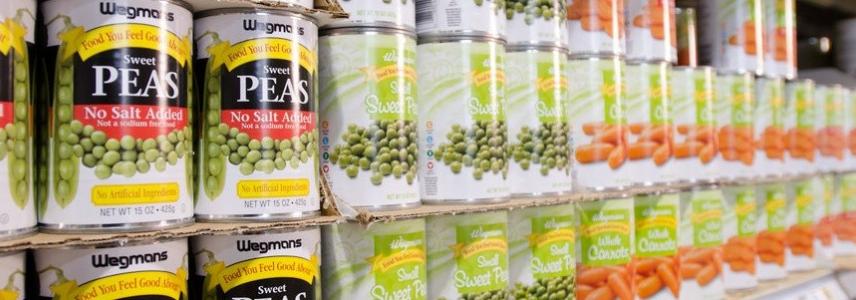
South Africa is the world’s largest exporter of fruits and nuts, and also the second-largest grower of these commodities. This country is also known for its processed fruits and nuts; in fact, more than half of all exported fruit from South Africa is canned or preserved. If you are planning to begin importing and exporting processed fruits and nuts from South Africa, you will need to first register your business with an import-export agency like ApexA.CO ( http://bit.ly/2wbi5Y6 ), a trade organization such as the Southern African Food Export Association (SAFEA) https://www.safea.co.za/ , or a customs broker such as www.cacosolveafrica.com
What are the main fruits and nuts grown in South Africa?
South Africa is the largest producer of pineapples, grapes, avocados, and macadamia nuts, and the second-largest producer of oranges, apples, pears, and papayas, in the world. The following table shows the 10 most-produced fruits and nuts in South Africa, along with their export figures. Table: The 10 Most-Produced Fruits and Nuts in South Africa South Africa is also known for its citrus production, as the country holds one-third of the world’s orange groves. Citrus fruits are perfect for export through canning or juicing. Tropical fruits, such as bananas and pineapples, are also produced in great quantities in South Africa, making them perfect candidates for export.
Exporting Processed Fruits and Nuts from South Africa
Exporting processed fruits and nuts from South Africa is a complicated procedure, but well worth it in the end. Once your business is registered and you have found a supplier, you will need to go through the following steps to export processed fruits and nuts from SA: – Applications – Registering your business and applying for a license to import and export are the first two steps in exporting processed fruits and nuts from South Africa. If you are new to exporting, you may want to hire a customs broker to help you through the process. – Inspection – Products will be inspected at a South African port of entry to make sure they meet the necessary standards for export. If fruits or nuts are not of the correct variety or are damaged, they will not be allowed to enter the country. – Inspection and Testing – If the products pass the first inspection, they will be sent to a laboratory for testing, such as those for pesticide residue, insect-seed analysis, and standard plate counts. The lab will determine whether the products are safe for consumption and whether any treatment is necessary. – Packing – While you wait for lab results, you can begin packing your fruit or nuts for export. Mark each package with the type, net weight, and country of origin. Place each package in a plastic bag, seal it, and label it with the same information. – Certificate of Origin – You will need to obtain a certificate of origin that confirms the product is grown in South Africa. Ask your supplier to get the certificate for you. – Documents – You will also need to submit the following documents when exporting processed fruits and nuts from South Africa: – Bill of lading – A document showing the name of the ship or aircraft used to transport your products – Commercial invoice – A document that includes product description, quantity, price per unit, and currency – Health certificate – A document that confirms the products are safe for human consumption – Certificate of origin – A document that confirms the products are grown in South-Africa
Importing Processed Fruits and Nuts to Your Own Country
Exporting processed fruits and nuts from South Africa is one thing—but what about importing them to your own country? The process for importing these products is much different than exporting them. You will need to first find a supplier in your country; then, you will be responsible for the following steps: – Inspection – Products will be inspected at a South African port of entry to make sure they meet the necessary standards for import. If fruits or nuts are not of the correct variety or are damaged, they will not be allowed to enter the country. – Inspection and Testing – If the products pass the first inspection, they will be sent to a laboratory for testing. The lab will determine whether the products are safe for consumption and whether any treatment is necessary. – Packing – While you wait for lab results, you can begin packing your fruit or nuts for import. Mark each package with the type, net weight, and country of origin. Place each package in a plastic bag, seal it, and label it with the same information.
How to Find Manufacturers for Exported Products
If you have a product that you would like to export from South Africa, you will need to find a manufacturer that can produce it for you. You can begin your search for manufacturers by identifying the product and the city where it is produced. Use the following steps to find manufacturers for exported products: – Online search – Conduct an online search for manufacturers in South Africa. Make sure to include the product you want to produce in your search so you can find businesses that specialize in that particular product. – Trade Shows – Attend trade shows in your country to meet with manufacturers from South Africa. This is a great way to make connections and get your product produced. – Business Networking – Make connections with people in the import-export business in your country. They will be able to help you find the manufacturers you need.
Final Words: Importing Fresh Produce and Producing Canned Goods
If you are interested in importing fresh produce from South Africa, you should know that this is a risky endeavor. Produce can be damaged during shipping, and ripening and refrigerating to extend its shelf life can reduce its quality over time. – Canned goods and dry foods are a better option for importing. You can get fresh produce and process it into canned goods or other preserved goods for long-term storage. – South Africa produces a lot of canned fruits and nuts, so these are the best products to import from the country.

LEAVE A COMMENT
You must be logged in to post a comment.