
How to Streamline Labor-Intensive Mop and Broom production
Talk to us about this service
Trade, import, logistics, sourcing — whatever you're planning, the fastest way to a quote is a WhatsApp message. Our team replies during Lagos business hours.
WhatsApp usYour message tells us which page you came from
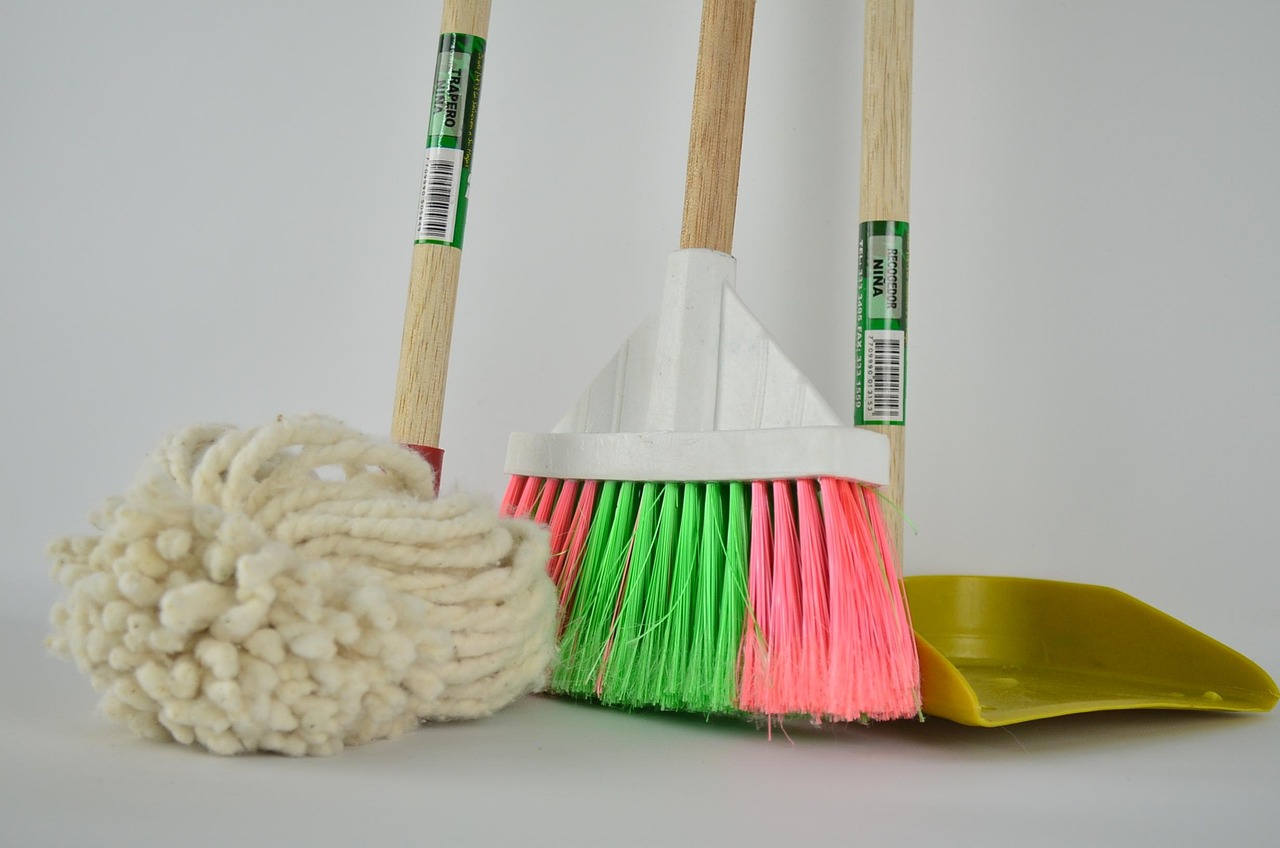
The production of mops and brooms is a cornerstone of the cleaning supplies industry, particularly in Africa, where demand for affordable, durable, and locally made products continues to grow. Despite technological advancements in manufacturing, mop broom production remains labor-intensive, requiring skilled hands and attention to detail to ensure quality and longevity. For businesses involved in wholesale distribution, import/export, or retail, understanding the labor dynamics of this sector is crucial for efficient sourcing and production planning.
Understanding the Labor-Intensive Nature of Mop and Broom Production
Mop and broom manufacturing involves multiple stages that are often manually executed. From raw material preparation to assembly and packaging, each step demands precision:
-
Material Selection and Preparation: High-quality brooms often use stiff natural fibers like sorghum or synthetic alternatives, while mops require absorbent fabrics and sturdy handles. Sorting, cutting, and treating these materials typically require manual oversight.
-
Handcrafting the Broom Head or Mop Head: Skilled laborers tie, stitch, or bind fibers to ensure the product is durable and functional. Automation exists, but many high-quality or customized products still rely on manual methods.
-
Handle Assembly and Finishing: Wooden, metal, or plastic handles are cut, sanded, polished, and sometimes painted or treated. Workers carefully attach heads to handles, ensuring balance and longevity.
-
Quality Control: Each product must be inspected for defects such as loose fibers, uneven stitching, or weak handles. Human attention ensures the final product meets industry standards.
This labor-intensive process highlights the importance of skilled workers, particularly in regions where machinery is limited or where small-scale production focuses on quality over quantity.
Challenges in Labor-Intensive Mop and Broom Production
High Labor Costs
Labor-intensive production naturally requires more workers, leading to higher operational costs. Businesses must balance the quality of products with efficiency to remain competitive in local and international markets.
Limited Automation Options
Although some machinery can assist with weaving or bundling fibers, full automation is often expensive and may not replicate the craftsmanship required for premium products.
Training and Skill Development
Producers need skilled laborers familiar with traditional techniques to maintain consistent quality. This requires ongoing training and sometimes results in longer production times.
Supply Chain Dependencies
Labor-intensive production is closely tied to the availability of raw materials and timely procurement. Delays in fiber or handle supply can halt production, impacting overall business operations.
Practical Solutions for Managing Labor-Intensive Production
While the challenges are evident, companies can adopt strategies to optimize operations:
-
Invest in Semi-Automation: Introducing semi-automated tools can reduce repetitive labor while maintaining quality craftsmanship. For example, mechanized cutters or fiber bundling machines can save time without compromising product integrity.
-
Skill Enhancement Programs: Training programs help workers improve efficiency and reduce errors. Skilled labor not only speeds up production but ensures products meet market standards.
-
Streamlined Sourcing: Reliable suppliers of raw materials, such as natural fibers or plastic handles, reduce downtime. Wigmore Trading can assist businesses in securing consistent, high-quality materials to maintain production schedules.
-
Efficient Production Planning: Organizing workflows and standardizing assembly processes can minimize wasted effort, helping labor-intensive operations run more smoothly.
How Wigmore Trading Supports Businesses in Mop and Broom Production
Wigmore Trading offers tailored solutions for businesses navigating the challenges of labor-intensive production. By connecting companies with quality suppliers and offering expert sourcing guidance, Wigmore Trading helps streamline procurement and operational workflows. Whether you need consistent raw materials, bulk production insights, or advice on semi-automation, our team can help reduce production bottlenecks and improve profitability.
For distributors, importers, or local manufacturers, collaborating with experienced partners like Wigmore Trading ensures that labor-intensive processes are managed efficiently, delivering reliable products to the market on time.
Conclusion
Mop and broom production remains labor-intensive due to the detailed craftsmanship required in each stage of manufacturing. While challenges like high labor costs, limited automation, and supply chain dependencies exist, businesses can overcome them through smart strategies, skilled labor, and reliable sourcing partners. Wigmore Trading provides practical solutions to help companies navigate this labor-intensive industry, ensuring quality products reach the market efficiently.

Comments are closed.