
Profitable Opportunities in Sesame Oil Production Business in Nigeria
Talk to us about this service
Trade, import, logistics, sourcing — whatever you're planning, the fastest way to a quote is a WhatsApp message. Our team replies during Lagos business hours.
WhatsApp usYour message tells us which page you came from
Nigeria’s agribusiness sector offers strong opportunities for value-added food processing, and sesame oil production is one of them. As local and international demand grows for edible oils, cosmetics ingredients, and natural food products, a well-planned sesame oil production business in Nigeria can serve both domestic buyers and export markets.
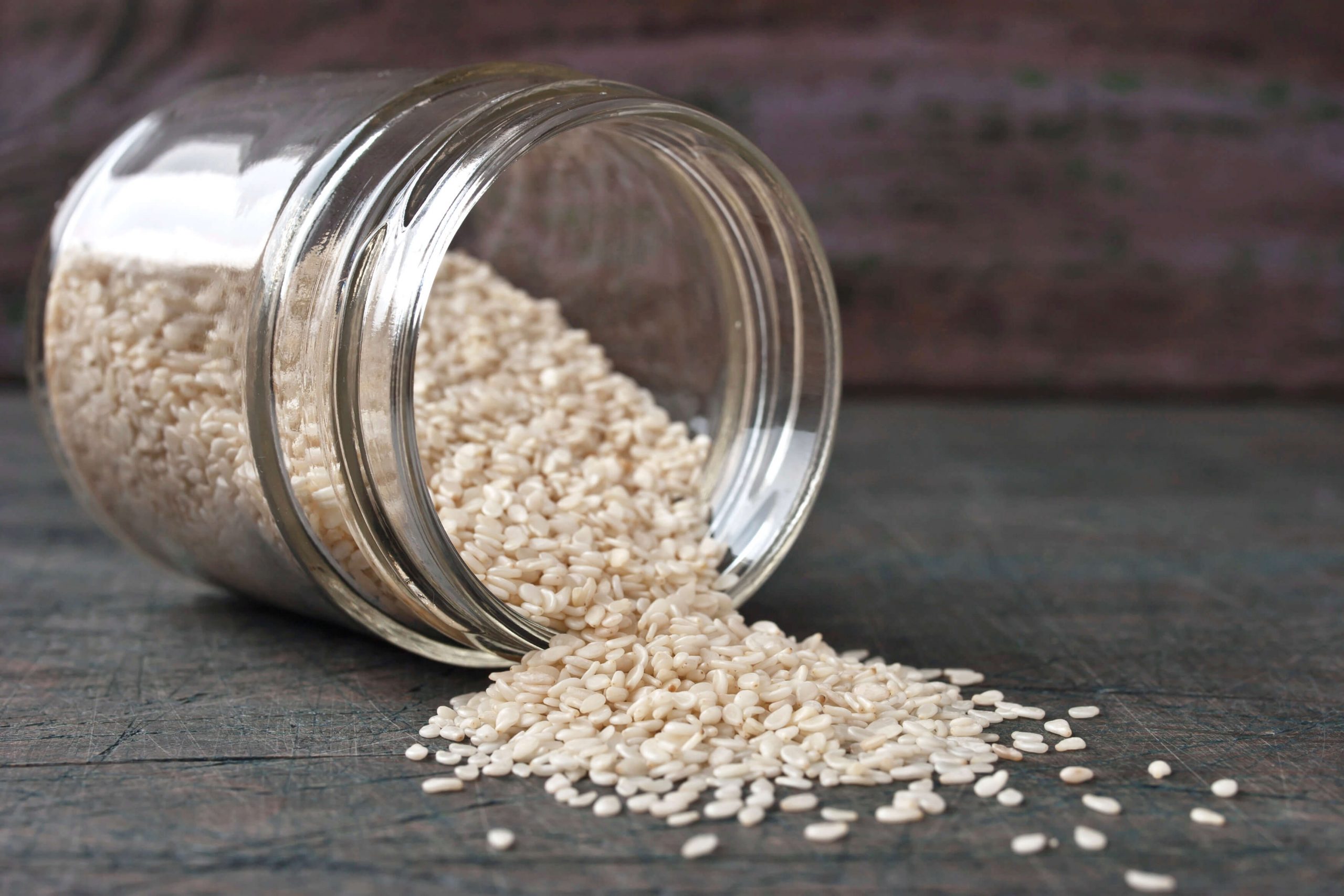
Nigeria is already known as a major producer of sesame seeds, which creates a practical foundation for local processing. Instead of exporting raw seed alone, producers can move further up the value chain by processing sesame into oil, sesame cake, and packaged consumer products. This improves margins, creates jobs, and strengthens local supply chains.
Why sesame oil production matters in Nigeria
Sesame seeds are widely cultivated in several Nigerian states, making raw material sourcing more feasible than in industries that depend heavily on imported inputs. For entrepreneurs, processors, and commodity traders, this provides an opportunity to build a business around locally available agricultural output.
Sesame oil has multiple commercial uses. In the food sector, it is used for cooking, seasoning, and food manufacturing. In personal care and cosmetics, it is valued for its texture and natural oil content. In industrial and export settings, processed sesame products can also attract buyers looking for traceable African supply sources.
For Nigerian businesses, the key advantage is simple: processing adds value. A company that buys, cleans, presses, filters, bottles, and distributes sesame oil can capture more revenue than one that only trades raw sesame seed.
Core steps in setting up a sesame oil production business
Starting a sesame oil production business in Nigeria requires more than access to seeds. It depends on operational planning, quality control, compliance, and route-to-market strategy.
1. Secure reliable sesame seed supply
The business begins with consistent raw material sourcing. Sesame seed quality directly affects oil yield, taste, shelf life, and final product quality. Producers need dependable supplier relationships, quality specifications, and testing procedures for moisture content, foreign matter, and contamination.
This is where an experienced sourcing and supply chain partner can make a difference. Wigmore Trading can support businesses that need structured sourcing channels, supplier coordination, and commodity procurement support across agricultural value chains.
2. Choose the right processing model
Sesame oil can be produced through mechanical pressing or solvent extraction, depending on scale, budget, and target market. Small and medium businesses often begin with mechanical expellers because they are simpler to operate and suitable for food-grade oil production. Larger operations may invest in more advanced extraction and refining systems.
The right choice depends on whether the business plans to sell:
-
crude sesame oil,
-
refined sesame oil,
-
bottled retail oil,
-
or bulk industrial oil.
Each option has different equipment, packaging, and compliance needs.
3. Build quality control into production
Quality is critical in edible oil processing. Buyers expect consistency in color, aroma, purity, and packaging. Poor handling of sesame seeds or oil can result in rancidity, contamination, or product rejection.
A serious production business should include:
-
seed cleaning and grading,
-
hygienic processing conditions,
-
proper filtration,
-
suitable storage tanks,
-
and accurate packaging and labeling.
For export-focused businesses, documentation, traceability, and product testing are especially important. Wigmore Trading can help businesses strengthen these operational areas by supporting sourcing, documentation processes, logistics planning, and supply chain coordination.
Key commercial opportunities
A sesame oil production business in Nigeria can serve several different markets.
Local wholesale and retail distribution
There is room in the Nigerian market for food-grade sesame oil sold to supermarkets, wholesalers, restaurants, and food manufacturers. Businesses that package oil in consumer-friendly sizes may also target health-conscious households and specialty food retailers.
Industrial buyers
Manufacturers in food processing, cosmetics, and personal care may require sesame oil as an ingredient. These buyers usually prioritize stable volumes, clear specifications, and reliable delivery schedules.
Export markets
Export potential is one of the strongest commercial advantages. African, Middle Eastern, European, and Asian buyers may source sesame oil or related products where supply quality and logistics are dependable. However, exporting successfully requires more than production capacity. Businesses need correct export documentation, freight coordination, packaging standards, and a workable delivery plan.
This is an area where Wigmore Trading can add practical value. For companies looking to reach external markets, Wigmore Trading can support sourcing, export logistics, distribution planning, and wider supply chain management.
Common challenges and how to manage them
Like many agro-processing ventures, sesame oil production in Nigeria comes with operational risks.
Inconsistent raw material supply
Seasonality, fragmented supplier networks, and variable quality can disrupt production. The solution is to build structured sourcing relationships and maintain procurement standards.
Power and equipment issues
Processing plants need dependable equipment and stable operating conditions. Unplanned downtime can reduce output and raise costs. Preventive maintenance and realistic production planning are essential.
Compliance and market access
Food products must meet relevant regulatory and labeling requirements. Exporters also face packaging, documentation, and customs requirements. Businesses that treat compliance as part of commercial strategy are better positioned for long-term growth.
Distribution inefficiencies
Even strong production operations can struggle if warehousing, transport, and delivery are poorly managed. A supply chain partner with experience in wholesale distribution and logistics can reduce delays and improve market access.
What makes the business viable
The commercial case for sesame oil production business in Nigeria is strongest when the business is built around three factors: reliable seed sourcing, efficient production, and a clear sales channel. Companies that think beyond processing alone and plan for storage, transport, compliance, and buyer requirements are more likely to succeed.
Rather than operating each stage in isolation, many businesses benefit from working with experienced trade and logistics partners. Wigmore Trading can support businesses that need help with sourcing, distribution, logistics, compliance, and broader supply chain management.
Conclusion
A sesame oil production business in Nigeria offers real potential for entrepreneurs, manufacturers, and export-focused agribusiness investors. With Nigeria’s sesame seed base and growing interest in value-added agricultural processing, the opportunity is commercially relevant. Success, however, depends on disciplined execution, strong quality control, and efficient supply chain planning.
Wigmore Trading can help. Contact Wigmore Trading today to streamline your sourcing.

Comments are closed.