
Ballast Water Treatment in Nigeria – Supporting Safe and Compliant Maritime Operations
Talk to us about this service
Trade, import, logistics, sourcing — whatever you're planning, the fastest way to a quote is a WhatsApp message. Our team replies during Lagos business hours.
WhatsApp usYour message tells us which page you came from
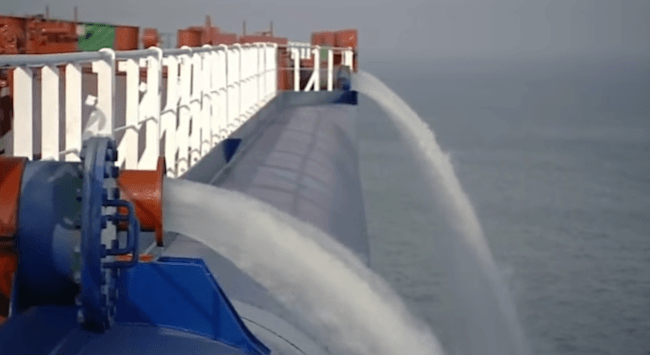
Ballast water is essential for stabilizing ships during voyages, but when discharged untreated, it can introduce invasive species, harmful pathogens, and pollutants into coastal waters. With Nigeria being a major maritime hub in West Africa, effective ballast water treatment is critical for protecting marine ecosystems and ensuring compliance with international maritime regulations.
In this article, we examine the importance of ballast water treatment in Nigeria, the relevant regulations, and how Wigmore Trading supports ship operators, port authorities, and marine contractors by sourcing treatment systems and providing integrated logistics solutions.
Why Ballast Water Treatment Matters
When ships take on ballast water in one region and discharge it in another, they can unintentionally transport:
-
Invasive marine organisms
-
Harmful microbes and bacteria
-
Heavy metals and suspended pollutants
These discharges can disrupt local biodiversity, threaten fisheries, and undermine the sustainability of coastal industries. For Nigeria, where ports like Lagos, Onne, and Port Harcourt serve hundreds of vessels weekly, untreated ballast water poses a growing risk.
International and National Regulations
Ballast water management is governed globally by the International Maritime Organization (IMO) through the Ballast Water Management (BWM) Convention, which Nigeria ratified in 2018.
Key Compliance Requirements:
-
All ships over 400 GT must have a Ballast Water Management Plan
-
Vessels must be equipped with a Ballast Water Treatment System (BWTS) or follow ballast exchange protocols
-
Regular sampling and discharge records must be maintained
-
Systems must be approved by IMO and in line with MARPOL Annexes
Nigerian Oversight Agencies:
-
Nigerian Maritime Administration and Safety Agency (NIMASA) – Enforces IMO conventions, inspects vessels, and oversees ballast discharge compliance
-
Nigerian Ports Authority (NPA) – Monitors ballast operations within port limits
-
Federal Ministry of Environment – Reviews potential environmental impacts
Types of Ballast Water Treatment Technologies
Modern ballast water treatment systems combine physical and chemical processes to neutralize contaminants. Common technologies include:
-
Filtration and UV Treatment – Removes sediments and neutralizes organisms without chemicals
-
Electrochlorination (EC) – Uses saltwater and electricity to generate disinfectant
-
Chemical Injection Systems – Apply biocides or neutralizing agents under controlled conditions
-
Deoxygenation and Heat Treatment – Less common but used in specialized operations
Challenges in Nigeria
-
Limited availability of shore-based reception or treatment facilities
-
High cost of retrofitting older vessels with compliant BWTS
-
Logistical bottlenecks in equipment clearance and installation
-
Inconsistent awareness and training among vessel operators and inspectors
How Wigmore Trading Supports Ballast Water Treatment in Nigeria
Wigmore Trading provides tailored procurement and logistics solutions to help maritime stakeholders achieve ballast water compliance in Nigeria.
1. Sourcing of Approved Ballast Water Treatment Systems
We supply IMO-approved systems from global manufacturers—UV, EC, and hybrid solutions—customized for new builds or retrofits.
2. Spare Parts and Maintenance Kits
We ensure continued operation by sourcing replacement filters, UV lamps, sensors, pumps, and dosing equipment.
3. Installation and Technical Support Coordination
Through our partner network, we help coordinate installation services, commissioning, and crew training for BWTS systems.
4. Supply of Sampling and Monitoring Tools
We deliver kits for ballast water testing, discharge sampling, and compliance record-keeping—aligned with NIMASA and IMO protocols.
5. Logistics and Import Clearance
Wigmore Trading handles customs documentation and fast-track delivery of BWTS units, spare parts, and monitoring tools to shipyards and port terminals.
Need to upgrade your vessel or support port-level compliance? Contact Wigmore Trading today to discuss customized ballast water treatment solutions for operations in Nigerian waters.
Conclusion
With global trade expanding and maritime traffic increasing along Nigeria’s coast, managing ballast water discharge is no longer optional—it’s a compliance and environmental imperative. Investing in reliable ballast water treatment systems helps vessel operators avoid penalties, protect marine biodiversity, and align with Nigeria’s maritime sustainability goals.
Wigmore Trading is your trusted partner for sourcing, delivering, and maintaining ballast water treatment solutions tailored for Nigeria’s ports and offshore environments.

Comments are closed.