
How Venezuela Sanctions Relief Impacts Global Oil Buyers
Talk to us about this service
Trade, import, logistics, sourcing — whatever you're planning, the fastest way to a quote is a WhatsApp message. Our team replies during Lagos business hours.
WhatsApp usYour message tells us which page you came from
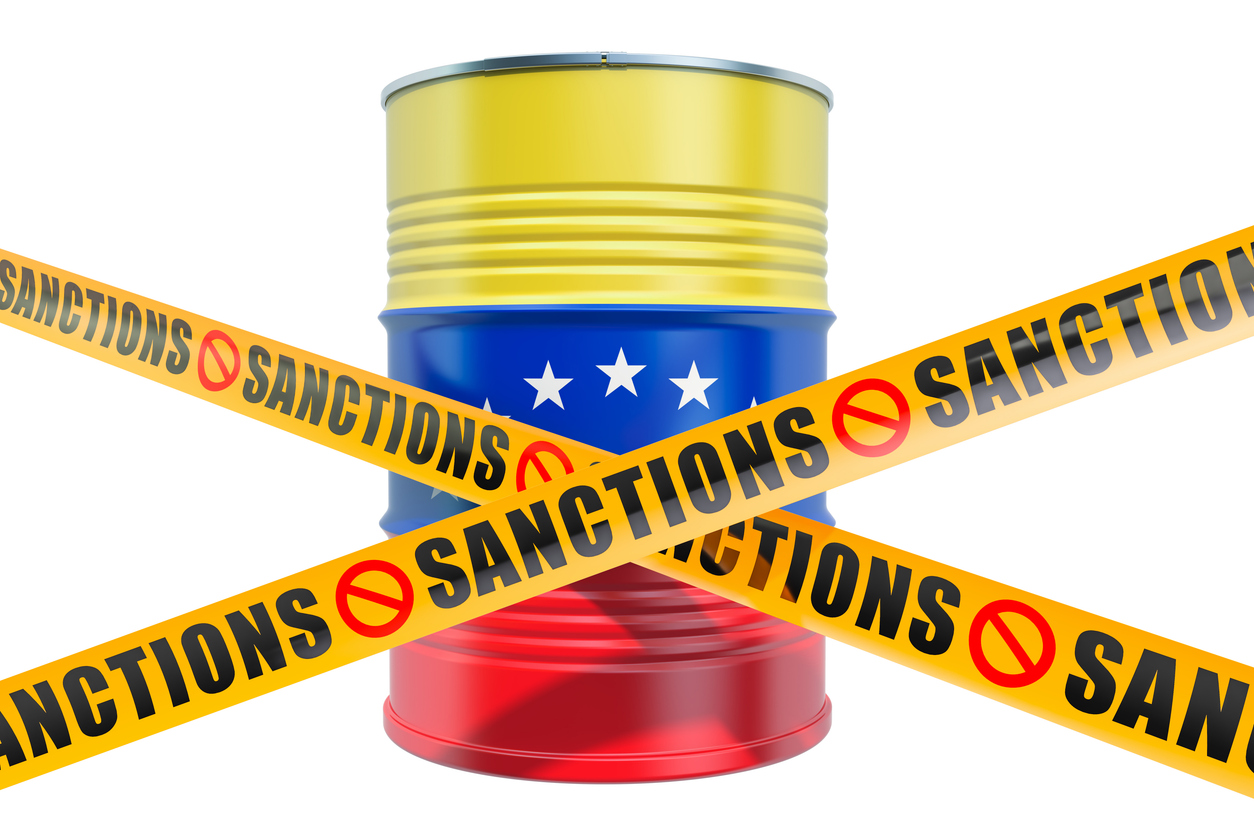
Recent developments around Venezuela sanctions relief are reshaping global trade flows, energy markets, and supply chain strategies. After years of strict restrictions, 2026 has seen a phased easing of sanctions—particularly targeting Venezuela’s oil and gas sector.
For businesses involved in import/export, logistics, and commodity trading, these changes present both opportunities and compliance challenges. Understanding the implications is essential for companies operating across Africa and global markets.
Understanding Venezuela Sanctions Relief in 2026
Policy shifts and market reopening
The latest Venezuela sanctions relief measures are being implemented through a structured, phased approach led by the U.S. Treasury. These include:
- Authorization for trading, transporting, and refining Venezuelan oil
- Permission for logistics services such as shipping, insurance, and port operations
- Expanded allowances for upstream oil exploration and investment activities
Additionally, reforms within Venezuela—such as updates to its hydrocarbons law—aim to attract foreign investment and revive production capacity.
This marks one of the most significant openings of Venezuela’s energy sector in over a decade.
Global Trade Implications of Venezuela Sanctions Relief
1. Increased oil supply and shifting trade routes
With sanctions easing, Venezuelan crude exports are already increasing, particularly toward the United States and Atlantic markets.
This shift is likely to:
- Redirect oil flows away from Asia toward Western markets
- Increase competition among suppliers of heavy crude
- Influence freight routes and shipping demand
For global traders, this creates new sourcing options but also intensifies price competition.
2. Impact on African markets and energy pricing
The effects of Venezuela sanctions relief extend beyond Latin America. African economies—many of which are sensitive to oil price volatility—are already feeling the ripple effects.
Changes in Venezuelan supply can:
- Alter global price benchmarks for crude and refined products
- Affect fuel import costs and inflation across African markets
- Increase competition for similar crude grades produced in Africa
For importers and distributors, this reinforces the need for flexible procurement strategies and diversified supply chains.
3. Renewed demand for goods and infrastructure
As Venezuela’s economy stabilises, demand for imported goods is expected to rise, including:
- Industrial machinery
- Agricultural inputs
- FMCG products
This creates export opportunities for international suppliers, particularly those able to navigate compliance requirements and logistics complexities.
Compliance and Operational Challenges
Navigating complex licensing requirements
Despite sanctions relief, the regulatory environment remains highly controlled. Companies must comply with:
- Specific General Licenses issued by regulatory authorities
- Restrictions on counterparties and payment structures
- Reporting obligations for transactions involving Venezuelan oil
Certain entities and jurisdictions remain prohibited, making due diligence critical.
Logistics and infrastructure constraints
Years of underinvestment have left Venezuela’s infrastructure in poor condition. This affects:
- Port efficiency and turnaround times
- Storage and refining capacity
- Reliability of supply chains
Businesses must factor in operational risks when planning trade routes or sourcing agreements.
How Businesses Can Respond Strategically
Diversify sourcing and distribution networks
Companies should avoid over-reliance on a single supply source by:
- Expanding supplier networks across regions
- Leveraging multiple shipping routes
- Monitoring geopolitical developments closely
Strengthen compliance frameworks
Given the complexity of Venezuela sanctions relief, businesses should:
- Conduct thorough counterparty checks
- Work with experienced compliance and legal advisors
- Ensure documentation aligns with regulatory requirements
Partner with experienced trade facilitators
Navigating emerging markets like Venezuela requires expertise in logistics, documentation, and risk management.
Wigmore Trading supports businesses by:
- Facilitating compliant sourcing and procurement
- Managing international shipping and customs processes
- Providing market insights for Africa-focused trade strategies
Conclusion
The evolving landscape of Venezuela sanctions relief is reshaping global trade dynamics, particularly in energy and commodity markets. While the easing of restrictions creates new opportunities, it also introduces regulatory complexity and operational risks.
For businesses in Africa and beyond, success will depend on agility, compliance, and strong supply chain partnerships.
Wigmore Trading can help.
No Comments Yet.

Comments are closed.