
Oil Palm Plantation Projects in Nigeria: Land, Partnerships and Investment Due Diligence
Talk to us about this service
Trade, import, logistics, sourcing — whatever you're planning, the fastest way to a quote is a WhatsApp message. Our team replies during Lagos business hours.
WhatsApp usYour message tells us which page you came from
An oil palm plantation project in Nigeria should be assessed at the level of the actual land, operating plan and market. A broad claim about the “best state” or a low land price is not a feasibility study. Before committing to a purchase, lease or partnership, establish the legal, agronomic and commercial evidence.
Wigmore Trading can discuss the procurement and supply-chain requirements associated with a plantation or processing project. Send the location, project stage and requirements to assess. A sourcing discussion does not establish that a particular estate is available for sale, that finance is approved or that an investment return is guaranteed.
Begin with the land and legal rights
Have qualified local advisers examine title, boundaries, permitted use, access, existing occupiers and any community or environmental issues. The documents and checks must relate to the actual parcel and proposed transaction. A photograph or seller’s description does not establish ownership or development rights.
For a lease, clarify duration, renewal, rent changes, improvements, assignment and the treatment of the plantation at exit. For a purchase, identify the conditions that must be satisfied before completion.
Assess agronomic suitability
Use competent agronomists to evaluate soils, terrain, drainage, climate, water, access and the practical operating conditions. The right planting and management plan depends on the site. Do not substitute a state-level ranking for a parcel-specific assessment.
The Nigerian Institute for Oil Palm Research is a relevant research reference. Its department information describes research, extension, engineering and consultancy functions. Confirm current service availability directly for a project; this is not evidence of a Wigmore affiliation.
Build the operating and supply-chain plan
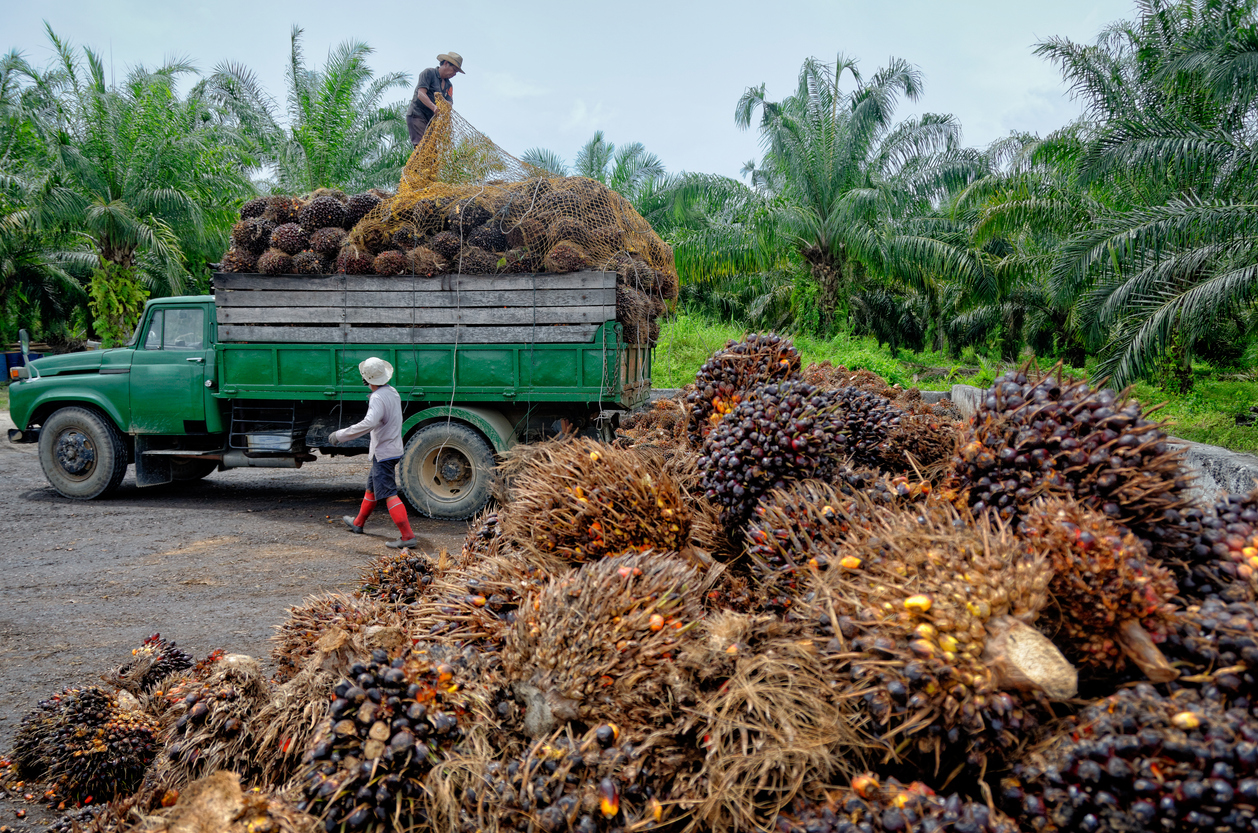
Consider planting material, nursery arrangements, labour, roads, harvesting, collection and access to an appropriate mill. Map how the project will operate before mature production and how ongoing costs will be funded.
Fresh fruit bunch sale and mill intake terms should be discussed with the proposed processor. The processing guide helps structure that requirement. A nearby mill does not automatically establish an offtake agreement or available capacity.
Compare project structures
| Structure | Questions to resolve |
|---|---|
| Owned estate | Title, development approvals, management and working capital |
| Leased land | Tenure, improvements, access, obligations and exit |
| Farm partnership | Contributions, control, reporting and dispute arrangements |
| Outgrower arrangement | Inputs, technical support, quality, pricing and purchase terms |
| Integrated mill project | Feedstock evidence, plant design, utilities and product markets |
Read outgrower and offtake terms carefully
Identify who supplies inputs, who owns the crop and how quality, weights and prices are determined. Agree collection responsibilities, payment timing, deductions and the response to disputes. Do not infer a purchase commitment from a general partnership discussion.
For a named company’s scheme, request its current published or directly confirmed terms. Avoid paying an intermediary for access to an alleged programme without verifying authority.
Prepare a financing and investment evidence pack
A credible pack includes site evidence, a staged operating plan, realistic costs, market assumptions and risk analysis. Test the effect of delays, lower production, price changes and higher logistics costs. Keep machinery, land and working-capital estimates separate.
Financing decisions belong to the responsible lender or investor under their own criteria. Procurement assistance does not establish funding availability or endorse a particular investment.
Plan procurement around project milestones
Order planting material, field equipment and processing machinery only against an approved programme and verified specifications. Confirm source, delivery conditions, technical support and acceptance checks. Keep a record of assumptions that may change as the project develops.
Use the counterparty guide to qualify sellers, processors and proposed partners. For product markets, review bulk palm oil procurement and the export planning guide.
Discuss your project requirements
Send Wigmore Trading the location, land status, project stage, intended operating model and procurement needs. Include advisers already involved, budget basis and target milestones. We can assess sourcing and logistics scope and identify the specialist information needed for a useful project discussion.

Comments are closed.