
Solar Mini-Grids in Nigeria: Community Power and Rural Electrification Planning
Talk to us about this service
Trade, import, logistics, sourcing — whatever you're planning, the fastest way to a quote is a WhatsApp message. Our team replies during Lagos business hours.
WhatsApp usYour message tells us which page you came from
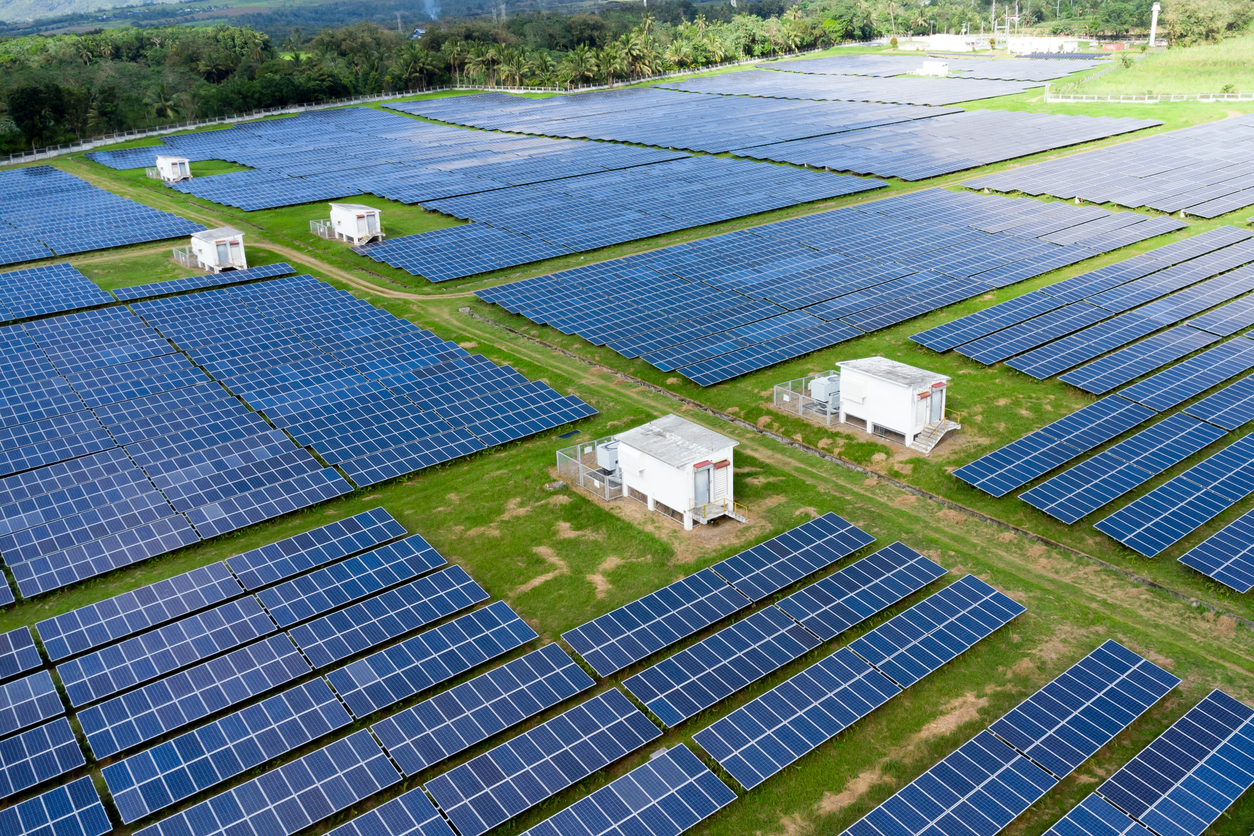
Solar mini-grids in Nigeria involve more than panels and batteries. A community or estate project also needs a distribution network, credible demand, customer arrangements and an operating model. Wigmore Trading can discuss equipment procurement and project-support requirements for rural electrification and shared-power enquiries.
Mini-grid or a single-site solar system?
A single business generating for its own loads is different from a network serving several customers. A mini-grid may operate independently or in coordination with an existing distribution network. The configuration affects engineering, commercial arrangements and the approval route.
NERC published Mini-Grid Regulations 2026. Confirm the current requirements and competent national or state authority for the location and project. Do not use an old capacity threshold or a generic equipment supplier’s checklist as proof that permission has been secured.
Validate customer demand
Survey actual households, shops, farms and productive-use customers. Record when electricity is needed, what equipment will run and how customers currently pay for energy. Expected future demand should be separated from measured or committed demand.
Demand can change after electrification. Refrigeration, milling, water pumping and other new activity may increase both energy use and peak demand. Plan growth scenarios and service limits instead of assuming every customer uses power uniformly throughout the day.
Design the whole service
| Component | Planning issue |
|---|---|
| Generation and storage | Resource, seasonal supply, reserve, backup and operating limits. |
| Distribution | Route, voltage drop, protection, metering and connection standards. |
| Customer service | Connection rules, billing, complaints and communication. |
| Operations | Staffing, maintenance, spares, safety and emergency response. |
Land, community and network arrangements
Verify land rights, access and the authority of parties signing agreements. Establish who owns assets and who may use the distribution route. Engage affected customers and community representatives through a documented process.
For interconnected projects, clarify the relationship with the distribution company and the metering and operating boundaries. NEMSA’s interconnection guidance is a relevant technical reference; project-specific responsibilities and inspections still need confirmation.
Test commercial viability
Build a model using equipment, construction, operations, losses, collections, replacement and financing assumptions. Examine affordability as well as the operator’s costs. A technically sound system can still struggle if expected customers do not connect or collections are weak.
Consider seasonal demand, lower-than-planned revenue, component replacement and the consequences of grid arrival. The proposed agreements should address the actual risks rather than relying on an uninterrupted growth forecast. Procurement should follow confirmed project milestones.
What to send Wigmore
Provide the site, customer estimate, demand survey, proposed capacity, existing approvals and target schedule. State whether you need equipment supply, project procurement, logistics or coordination with specialist delivery teams. We can assess a defined support scope and identify missing information for a quotation.
Funding, tariff approval, land availability, permits and developer appointments are not assumed. A useful initial discussion should establish which stage the project has reached and what evidence is required before money is committed to equipment.
Check your enquiry before contacting us
This checklist is for your own preparation; it does not submit information.
Discuss your solar equipment or project requirement
Send Wigmore Trading your location, requirements and target date. Our team can assess the sourcing, delivery and specialist-support scope. Availability, pricing, service coverage and contractual commitments are confirmed for the particular offer.
Book a consultationEmail your requirements
Discuss this requirement on WhatsApp
Related support: browse Wigmore Wholesale · shipping and logistics.

Comments are closed.