
Current Cow Prices in Nigeria: What to Expect
Talk to us about this service
Trade, import, logistics, sourcing — whatever you're planning, the fastest way to a quote is a WhatsApp message. Our team replies during Lagos business hours.
WhatsApp usYour message tells us which page you came from
Cows are a vital part of Nigeria’s agricultural economy, playing a crucial role in both food production and cultural practices. Whether for meat, dairy, or ceremonial purposes, the demand for cattle is consistently high across the country. Understanding the current prices of cows in Nigeria is essential for buyers, sellers, and those involved in the livestock industry. This article provides an overview of cow prices in Nigeria, the factors that influence these prices, and tips for buying and selling cattle in the market.
Current Cow Prices in Nigeria
The price of cows in Nigeria varies depending on several factors, including the breed, age, weight, and location. As of the most recent market data, here are the general price ranges:
- Small to Medium-Sized Cows: ₦80,000 to ₦150,000
- Large-Sized Cows: ₦150,000 to ₦300,000
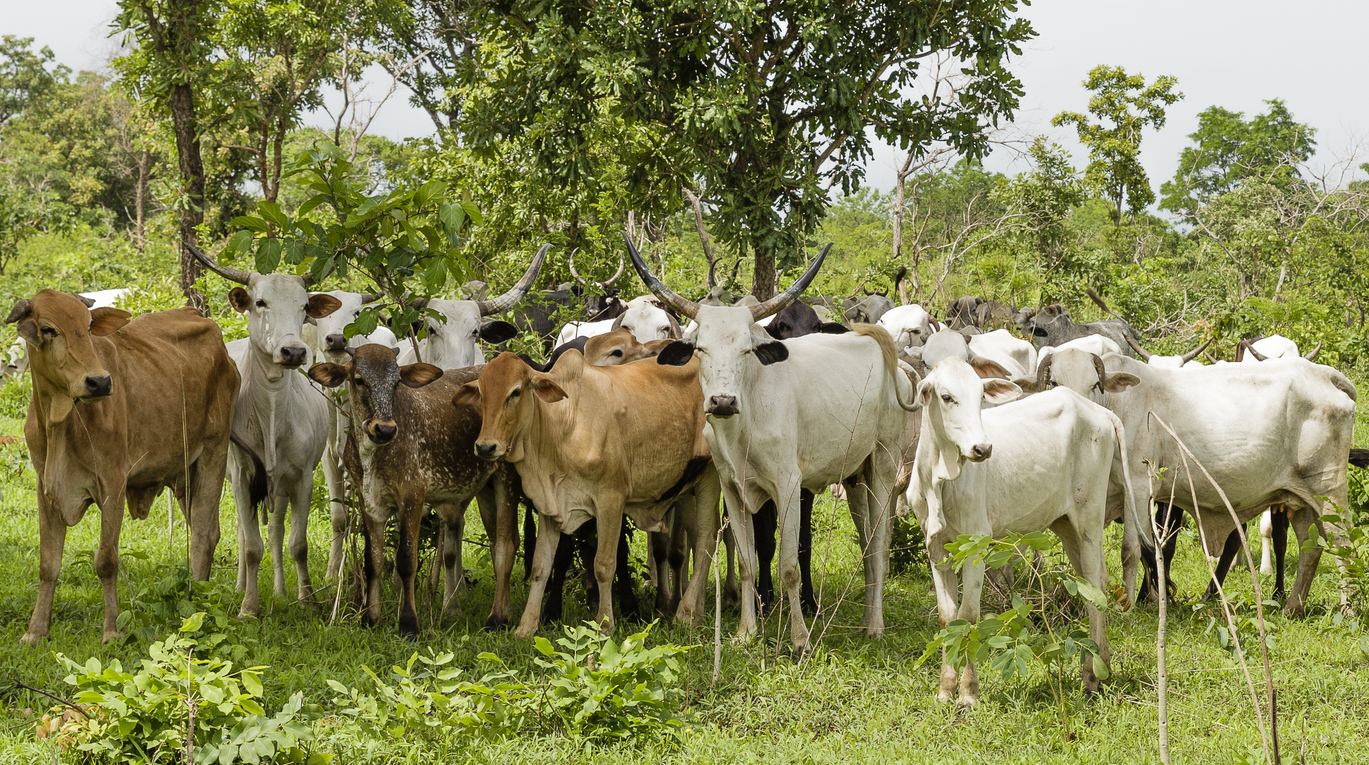
- Premium Breeds (e.g., White Fulani, Sokoto Gudali): ₦300,000 to ₦500,000 or more
These prices can fluctuate based on the time of year, with costs typically rising during festive periods such as Eid al-Adha and Christmas when the demand for cattle increases.
Factors Influencing Cow Prices in Nigeria
1. Breed and Quality
- Local vs. Exotic Breeds: Local breeds such as the White Fulani and Red Bororo are generally more affordable compared to exotic or imported breeds, which are often more expensive due to their superior meat or milk production qualities.
- Health and Weight: Healthier and heavier cows fetch higher prices. Buyers often pay a premium for cows that are well-fed and in prime condition.
2. Age and Size
- Calves vs. Mature Cows: Younger cows (calves) are usually cheaper, with prices increasing as the cow matures and gains weight. Mature cows, particularly those ready for slaughter or breeding, are priced higher.
- Size and Meat Yield: Larger cows with more meat are more valuable, particularly in the meat market where the yield directly influences the price.
3. Location
- Urban vs. Rural Markets: Prices can vary significantly depending on the location of the market. Urban areas like Lagos, Abuja, and Port Harcourt generally have higher prices due to increased demand and transportation costs.
- Proximity to Livestock Markets: Regions close to major livestock markets in the northern parts of Nigeria (such as Kano, Maiduguri, and Sokoto) tend to have lower prices due to easier access to cattle.
4. Seasonal Demand
- Festive Periods: During religious and cultural festivals, demand for cows surges, leading to higher prices. Events such as Eid al-Adha (Sallah) and Christmas are peak times when cattle prices can rise significantly.
- Off-Season: Outside of these peak periods, prices may decrease due to lower demand, offering a more affordable buying opportunity.
Tips for Buying and Selling Cows in Nigeria
1. Research the Market
- Monitor Prices: Keep track of current market trends and prices in different regions. This helps you make informed decisions whether you are buying or selling.
- Attend Livestock Markets: Visiting local livestock markets can give you firsthand knowledge of pricing and quality, and allow you to negotiate better deals.
2. Inspect the Cattle
- Health Check: Ensure that the cow is healthy and free from diseases. Check for clear eyes, smooth skin, and a good appetite as indicators of health.
- Weight and Size: Assess the size and weight of the cow to ensure it meets your needs, whether for meat, milk, or breeding.
3. Timing Your Purchase
- Buy During Off-Peak Periods: To get the best prices, consider purchasing cows during non-festive periods when demand is lower, and prices are more competitive.
- Bulk Buying: If you are purchasing multiple cows, negotiate for a bulk discount, which is common practice in livestock trading.
4. Consider Transportation Costs
- Logistics: Factor in the cost of transporting the cow from the market to your location, especially if buying from a distant market. This can add significantly to the overall cost.
- Use Trusted Transporters: Ensure that the transporter is reliable and experienced in handling livestock to prevent stress or injury to the cows during transit.
Conclusion
Cow prices in Nigeria vary widely depending on factors such as breed, size, location, and market demand. By understanding these factors and carefully navigating the market, buyers and sellers can make informed decisions that maximize value. Whether you are purchasing for personal, commercial, or ceremonial purposes, it’s essential to stay updated on market trends and pricing.
At Wigmore Trading, we provide insights and support to help you navigate the livestock market effectively. Contact us today to learn more about our services and how we can assist with your livestock needs.
Get in Touch:
Looking to buy or sell cows in Nigeria? Contact Wigmore Trading for expert advice and assistance. Visit our website, email, or call us to learn more about current cow prices and market trends.

Comments are closed.