
Telecom Billing Cloud Platform in Nigeria: A Practical Guide for Operators

Talk to us about this service
Trade, import, logistics, sourcing — whatever you're planning, the fastest way to a quote is a WhatsApp message. Our team replies during Lagos business hours.
WhatsApp usYour message tells us which page you came from
Nigeria’s telecom industry is evolving rapidly, driven by increasing data consumption, digital services, and expanding subscriber bases. To keep pace, many operators are transitioning from traditional on-premise systems to more flexible and scalable solutions such as a telecom billing cloud platform in Nigeria.
This article explores how cloud-based billing platforms work, their benefits, key challenges, and how telecom businesses can optimise operations with the right infrastructure and supply chain support.
What Is a Telecom Billing Cloud Platform?
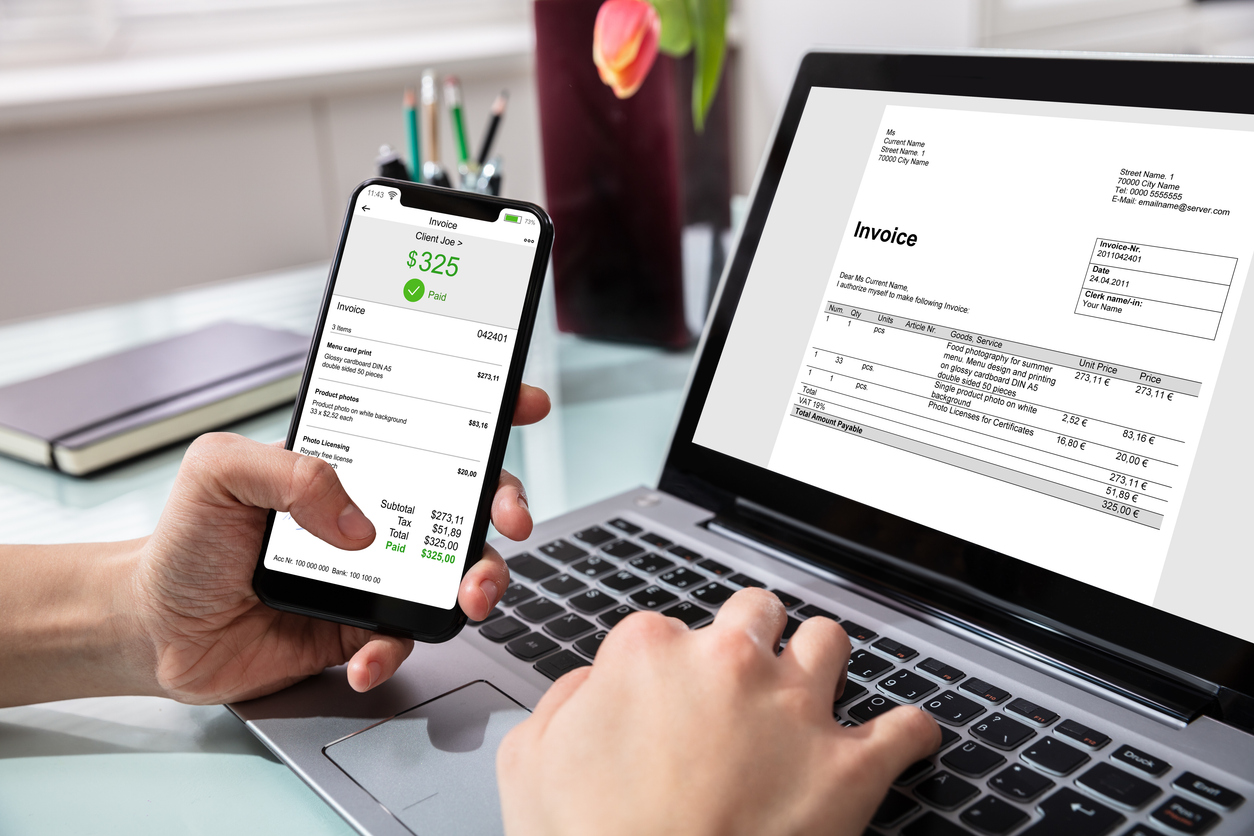
A telecom billing cloud platform is a cloud-based system that manages billing, charging, and revenue processes for telecom operators. Unlike traditional systems hosted on physical servers, cloud platforms operate on remote infrastructure, enabling real-time processing and scalability.
Core Features of a Telecom Billing Cloud Platform in Nigeria
- Real-Time Charging: Supports prepaid and postpaid billing instantly
- Scalability: Handles growing subscriber numbers and high data volumes
- Flexible Pricing Models: Adapts to bundles, promotions, and digital services
- Data Integration: Connects with CRM, mediation, and network systems
- Analytics and Reporting: Provides insights for revenue optimisation
These capabilities are essential in Nigeria, where telecom operators must manage millions of transactions daily.
Why Nigerian Telecom Operators Are Moving to the Cloud
Improved Scalability
Cloud platforms allow telecom companies to scale resources up or down based on demand. This is particularly important during peak usage periods or rapid subscriber growth.
Cost Efficiency
Operators can reduce capital expenditure on hardware and maintenance by shifting to operational expenditure models.
Faster Service Deployment
New services, pricing plans, and updates can be rolled out quickly without extensive infrastructure changes.
Enhanced Reliability
Cloud providers typically offer redundancy and disaster recovery, reducing downtime risks.
Telecom Billing Cloud Platform in Nigeria: Key Challenges
Despite the advantages, adopting cloud-based billing systems comes with specific challenges in the Nigerian context.
Data Security and Compliance
Telecom operators must ensure that customer data is protected and complies with local regulations, including NCC guidelines and data protection laws.
Connectivity and Infrastructure
Reliable internet connectivity is essential for cloud performance. Network disruptions can impact billing operations.
Integration with Legacy Systems
Many operators still rely on older infrastructure, making integration with cloud platforms complex.
Vendor Selection
Choosing the right cloud provider and billing platform requires careful evaluation of performance, support, and compliance capabilities.
Best Practices for Successful Implementation
Conduct a Phased Migration
Gradually transitioning from legacy systems reduces operational risks and allows for testing at each stage.
Prioritise Data Accuracy
Clean and validated data ensures accurate billing and reduces disputes.
Strengthen Security Frameworks
Implement encryption, access controls, and regular audits to protect sensitive information.
Invest in Skilled Personnel
Technical expertise is essential for managing and optimising cloud billing systems.
Infrastructure and Logistics Considerations
While cloud platforms reduce dependence on physical servers, telecom operations still require robust infrastructure, including:
- Network equipment and backup systems
- Power solutions for base stations
- Data centres and connectivity hardware
- Spare parts and maintenance supplies
Efficient sourcing and distribution of these components are critical to maintaining uninterrupted billing and network performance.
How Wigmore Trading Supports Telecom Operations
Wigmore Trading plays a strategic role in supporting telecom companies operating in Nigeria by addressing supply chain and logistics challenges.
Key support areas include:
- Global Sourcing: Procurement of telecom equipment, hardware, and infrastructure components
- Import & Export Management: Handling customs clearance and regulatory compliance
- Warehousing & Distribution: Efficient storage and delivery across Nigeria
- Supply Chain Coordination: Ensuring timely availability of critical materials
By ensuring that physical infrastructure is reliably sourced and delivered, Wigmore Trading helps telecom operators maintain the performance of cloud-based billing platforms and related systems.
The Future of Cloud Billing in Nigeria’s Telecom Sector
The adoption of a telecom billing cloud platform in Nigeria is expected to accelerate as operators expand digital services and prepare for technologies such as 5G and IoT.
Key trends include:
- Increased use of AI-driven billing analytics
- Expansion of real-time and usage-based pricing models
- Greater reliance on cloud-native architectures
- Integration with fintech and digital payment platforms
Operators that embrace these innovations will be better equipped to manage complex billing environments and deliver improved customer experiences.
Conclusion
A telecom billing cloud platform in Nigeria offers telecom operators the flexibility, scalability, and efficiency needed to manage modern telecom services. While challenges such as integration and infrastructure remain, strategic planning and reliable support systems can ensure successful adoption.
Combining advanced cloud technology with strong logistics and supply chain management is essential for long-term success in Nigeria’s telecom sector.
Wigmore Trading can help. Contact Wigmore Trading today to streamline your sourcing.
No Comments Yet.





Comments are closed.