
Telecom Billing Modernization in Africa: Key Trends and Practical Strategies
Talk to us about this service
Trade, import, logistics, sourcing — whatever you're planning, the fastest way to a quote is a WhatsApp message. Our team replies during Lagos business hours.
WhatsApp usYour message tells us which page you came from
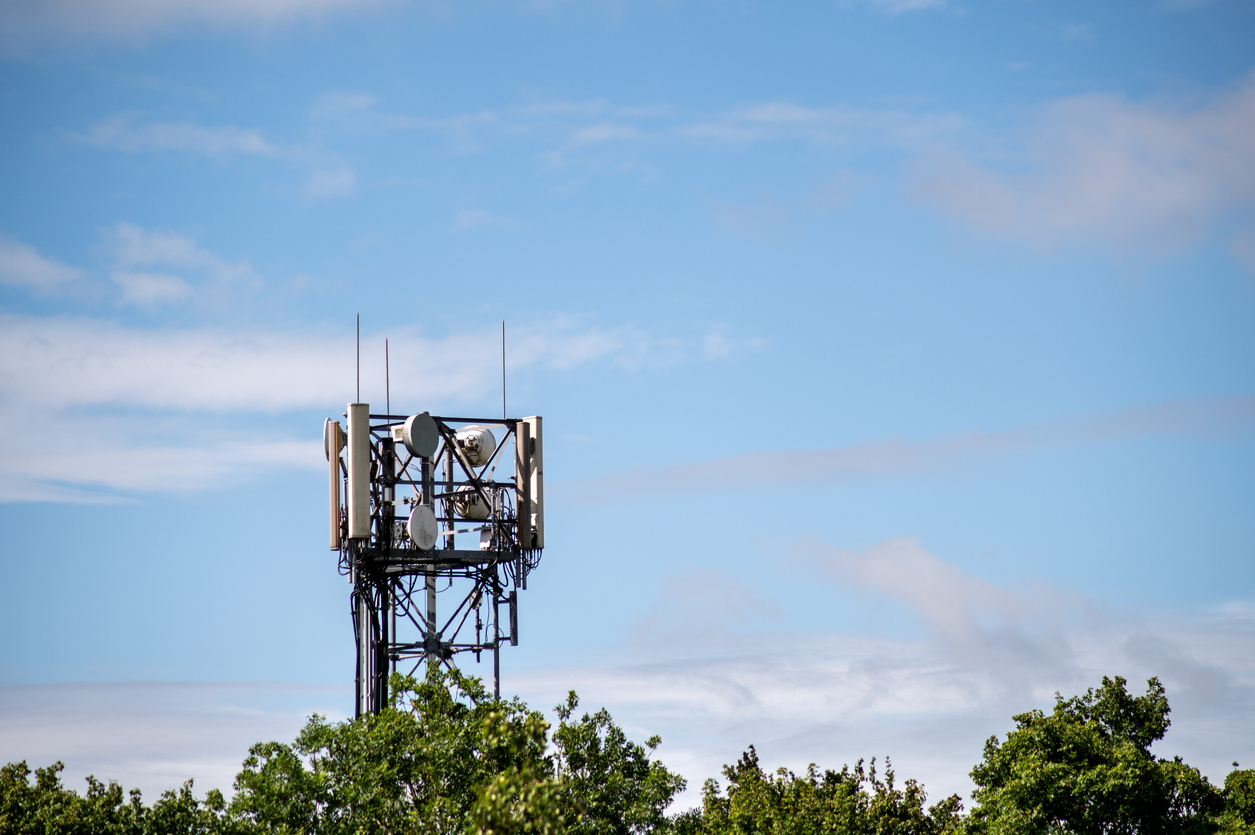
Africa’s telecommunications sector is expanding rapidly, driven by mobile penetration, digital services, and increasing data consumption. However, many operators are still reliant on legacy billing systems that struggle to support modern service demands. Telecom billing modernization in Africa has therefore become a critical priority for operators seeking efficiency, accuracy, and scalability.
This article explores what billing modernization involves, the challenges telecom operators face, and how structured supply chain and logistics partners like Wigmore Trading can support this transformation.
What Is Telecom Billing Modernization?
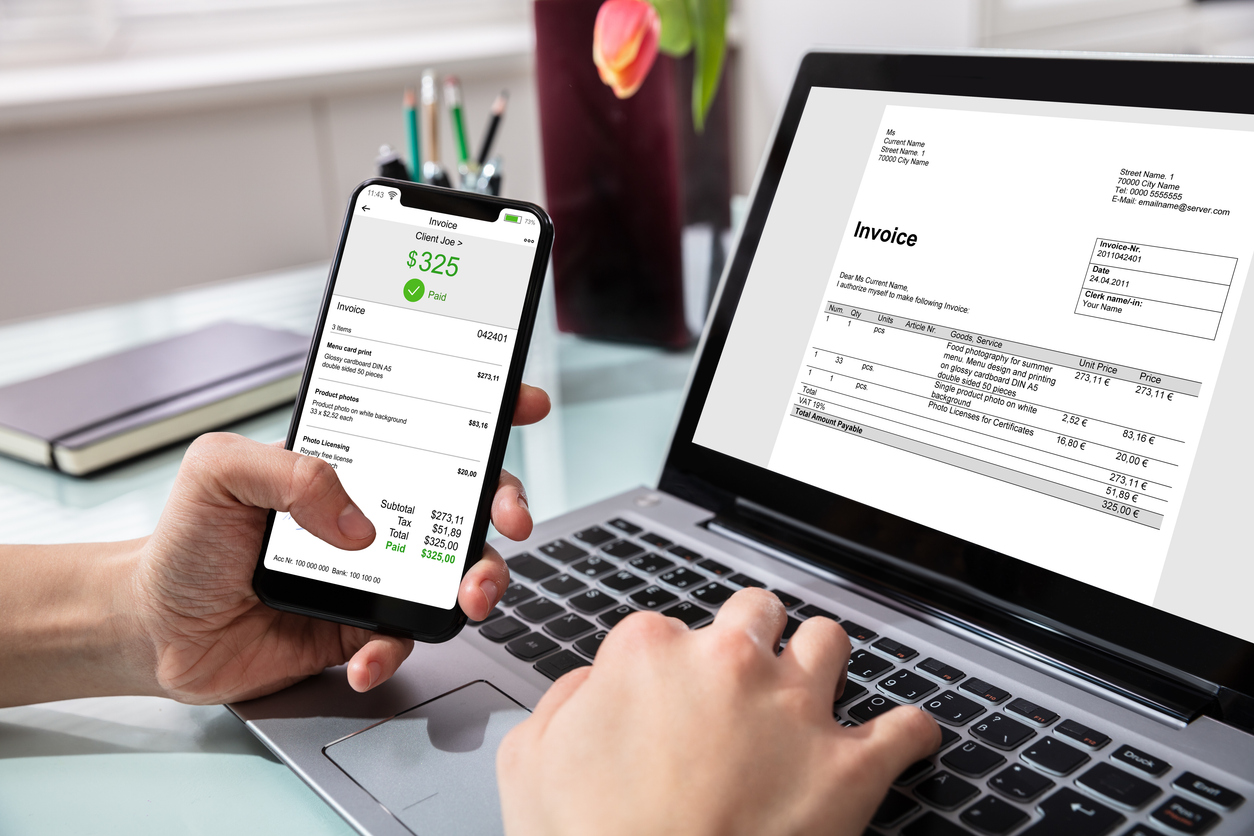
Telecom billing modernization refers to the process of upgrading outdated billing systems to more flexible, scalable, and real-time platforms. These modern systems are designed to handle complex pricing models, digital services, and high data volumes.
Core Features of Modern Billing Systems
- Real-time charging and billing for prepaid and postpaid services
- Converged billing platforms that unify voice, data, and digital services
- Cloud-based infrastructure for scalability and flexibility
- Advanced analytics for revenue assurance and customer insights
- API integration with fintech, content providers, and third-party services
Modern billing systems are essential for supporting Africa’s evolving telecom landscape, including mobile money, streaming services, and IoT applications.
Why Telecom Billing Modernization in Africa Is Essential
Increasing Data Usage
With the growth of smartphones and internet access, operators must process significantly higher volumes of data usage accurately and efficiently.
Growth of Digital Services
Services such as mobile banking, e-commerce, and digital entertainment require more sophisticated billing capabilities.
Competitive Market Pressures
Operators need flexible pricing models and promotions to remain competitive, which legacy systems often cannot support.
Regulatory Compliance
Telecom regulators across Africa are introducing stricter requirements for transparency, billing accuracy, and reporting.
Challenges Facing Telecom Operators
Legacy Infrastructure Constraints
Many operators still rely on outdated systems that are difficult to upgrade or integrate with modern platforms.
High Implementation Costs
Modernisation projects require significant investment in technology, training, and integration.
Data Migration Risks
Transferring large volumes of subscriber and billing data can lead to errors if not properly managed.
Network and Power Limitations
Inconsistent infrastructure in some regions can affect system reliability and uptime.
Strategies for Successful Billing Modernization
Adopt a Phased Approach
Instead of full system replacement, operators can modernise components gradually to reduce risk and cost.
Move to Cloud-Based Platforms
Cloud solutions provide scalability and reduce reliance on physical infrastructure.
Strengthen Integration Capabilities
Modern APIs allow seamless integration with mobile money platforms, fintech services, and digital ecosystems.
Focus on Revenue Assurance
Implement tools that detect billing inconsistencies and prevent revenue leakage.
The Role of Supply Chain and Logistics in Modernisation
Billing modernization is not purely a software upgrade. It often requires physical infrastructure, including servers, networking equipment, and data centre components. Efficient sourcing and logistics are therefore essential.
Supporting Telecom Billing Modernization in Africa
Wigmore Trading helps telecom operators and technology providers by:
- Sourcing hardware and infrastructure components globally
- Managing import/export processes across African markets
- Ensuring regulatory compliance for telecom equipment
- Providing warehousing and distribution for sensitive technology assets
Reliable logistics ensure that critical equipment arrives on time, reducing delays in modernization projects and supporting smooth system deployment.
Future Trends in Telecom Billing Across Africa
Expansion of 5G Networks
5G will increase data complexity, requiring more advanced and flexible billing systems.
Integration with Mobile Money
Billing systems will increasingly connect with financial services, particularly in markets like Nigeria, Kenya, and Ghana.
AI-Driven Billing and Analytics
Artificial intelligence will improve fraud detection, customer segmentation, and pricing strategies.
Subscription-Based and Usage-Based Models
Operators will adopt more flexible pricing structures tailored to individual user behaviour.
Conclusion
Telecom billing modernization in Africa is essential for operators looking to remain competitive in a fast-evolving digital environment. By upgrading billing systems, improving integration, and ensuring accurate revenue management, telecom companies can better serve customers and support new digital services.
At the same time, efficient sourcing and logistics play a vital role in ensuring that modernization projects are delivered on time and within budget.
Wigmore Trading can help. Contact Wigmore Trading today to streamline your sourcing.
No Comments Yet.





Comments are closed.