
Telecom Billing Modernization in Nigeria: Improving Efficiency and Revenue Management

Talk to us about this service
Trade, import, logistics, sourcing — whatever you're planning, the fastest way to a quote is a WhatsApp message. Our team replies during Lagos business hours.
WhatsApp usYour message tells us which page you came from
Nigeria’s telecommunications industry continues to expand as mobile penetration, digital payments, cloud services, and data consumption increase across the country. As operators scale their services, many are modernising outdated billing systems to improve operational efficiency, customer experience, and revenue assurance.
Telecom billing modernization in Nigeria has become a strategic priority for operators seeking to support real-time services, flexible pricing models, and growing subscriber demands. Modern billing infrastructure enables telecom companies to adapt to changing market conditions while maintaining regulatory compliance and financial accuracy.
This article explores the importance of telecom billing modernization, the challenges telecom providers face, and how efficient supply chain and logistics support can strengthen telecom infrastructure projects in Nigeria.
What Is Telecom Billing Modernization?
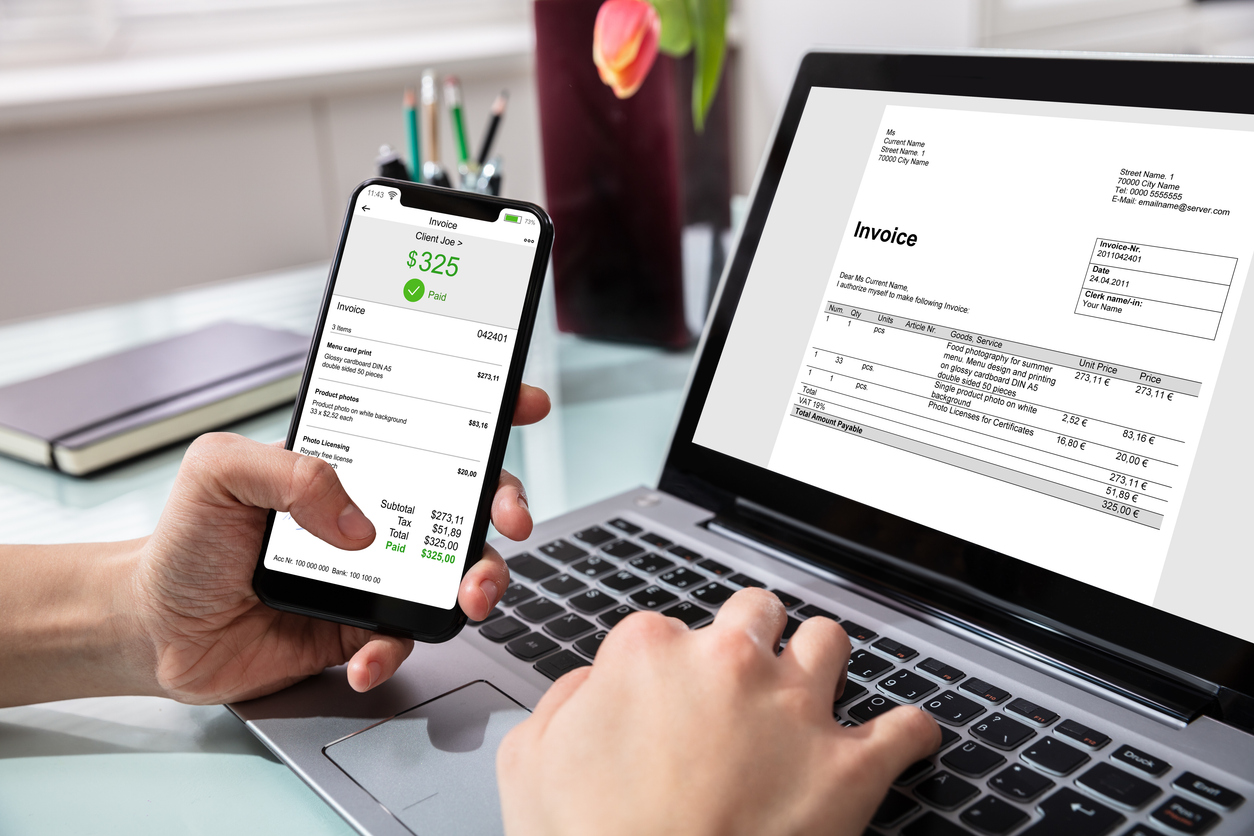
Telecom billing modernization refers to upgrading legacy billing platforms with more advanced, scalable, and automated systems. These systems manage customer charging, invoicing, payment processing, usage tracking, and revenue management.
Modern telecom billing systems are designed to support:
- Real-time charging and billing
- Converged billing for voice, data, and digital services
- Flexible subscription and pricing models
- Cloud-based infrastructure
- Enhanced analytics and reporting
- Improved customer account management
For telecom operators in Nigeria, modernization is increasingly important as subscriber expectations and network complexity continue to evolve.
Why Telecom Billing Modernization in Nigeria Matters
Supporting Growing Data Consumption
Nigeria’s digital economy has driven significant increases in mobile data usage. Modern billing systems help operators manage complex data plans, bundles, and high transaction volumes efficiently.
Improving Revenue Assurance
Outdated systems can create billing inaccuracies and revenue leakage. Modern platforms improve transparency and reduce discrepancies in charging and settlement processes.
Enhancing Customer Experience
Consumers increasingly expect real-time account updates, seamless self-service platforms, and accurate billing. Modernized systems improve responsiveness and customer satisfaction.
Enabling Digital Services
Telecom operators now offer mobile money, streaming services, enterprise connectivity, and IoT solutions. Modern billing platforms provide the flexibility needed to support these additional services.
Key Features of Modern Telecom Billing Systems
Real-Time Charging Capabilities
Modern systems process transactions instantly, which is especially important for prepaid mobile subscribers in Nigeria.
Scalable Cloud Infrastructure
Cloud-based billing platforms allow operators to scale operations more efficiently while reducing infrastructure maintenance costs.
Automated Revenue Management
Automation helps reduce manual errors and accelerates reconciliation, invoicing, and reporting processes.
Advanced Analytics
Operators can gain better visibility into customer behaviour, usage trends, and revenue performance through integrated analytics tools.
Challenges Facing Telecom Billing Modernization in Nigeria
Legacy Infrastructure Constraints
Many telecom providers still rely on outdated systems that are difficult to integrate with modern technologies.
Integration Complexity
Billing systems must connect with multiple network elements, payment platforms, customer databases, and third-party services.
Regulatory Compliance
Telecom operators must ensure billing systems comply with Nigerian Communications Commission (NCC) regulations and data protection standards.
Infrastructure and Power Limitations
Reliable power supply and network connectivity remain important operational considerations for telecom infrastructure deployment.
Cybersecurity Risks
As billing systems become more digital and interconnected, operators must strengthen data security and fraud prevention measures.
Strategies for Successful Billing Modernization
Invest in Modular Systems
Modular billing platforms allow telecom operators to upgrade specific functions without replacing entire systems at once.
Prioritise Automation
Automating billing and reconciliation processes improves efficiency and reduces operational risks.
Strengthen Data Security
Operators should implement strong encryption, access controls, and fraud monitoring systems to protect customer data.
Partner with Reliable Infrastructure Providers
Modernization projects often require imported hardware, servers, networking equipment, and logistics support to ensure smooth deployment.
The Role of Supply Chain and Logistics in Telecom Modernization
Telecom billing modernization is not limited to software upgrades. Infrastructure expansion requires dependable sourcing, importation, warehousing, and distribution of equipment across multiple locations.
Wigmore Trading supports telecom and technology businesses in Nigeria through:
- International sourcing of telecom equipment and components
- Import/export documentation support
- Customs clearance and compliance management
- Warehousing and nationwide distribution services
- Supply chain coordination for infrastructure projects
Efficient logistics and procurement processes help telecom operators reduce deployment delays and maintain operational continuity during modernization projects.
Future Trends in Telecom Billing in Nigeria
The telecom industry is expected to continue evolving alongside Nigeria’s digital transformation initiatives. Key trends shaping the future include:
AI-Powered Billing Systems
Artificial intelligence can improve fraud detection, customer analytics, and predictive revenue management.
5G Billing Capabilities
5G networks will require more advanced charging systems capable of handling dynamic and high-volume service models.
Converged Digital Services
Telecom operators are increasingly integrating fintech, entertainment, and enterprise services into unified billing platforms.
Greater Cloud Adoption
Cloud-native billing systems offer scalability, flexibility, and reduced infrastructure costs for operators.
Conclusion
Telecom billing modernization in Nigeria is becoming essential for operators seeking to improve efficiency, support digital services, and strengthen revenue management. Modern billing systems enable telecom providers to handle increasing subscriber demands while improving customer experience and operational transparency.
As modernization projects expand, reliable sourcing, logistics, and infrastructure support remain critical to successful implementation.
Wigmore Trading can help. Contact Wigmore Trading today to streamline your sourcing.
No Comments Yet.




Comments are closed.