
Improving Telecom Billing Transparency in Nigeria
Talk to us about this service
Trade, import, logistics, sourcing — whatever you're planning, the fastest way to a quote is a WhatsApp message. Our team replies during Lagos business hours.
WhatsApp usYour message tells us which page you came from
Telecom billing transparency in Nigeria has become a critical issue for both operators and consumers. With increasing data usage, complex tariff structures, and rising regulatory expectations, ensuring clear, accurate, and verifiable billing is essential for maintaining trust and operational efficiency.
This article explores the importance of billing transparency, the challenges facing telecom operators in Nigeria, and practical solutions to improve accountability across the value chain.
What Is Telecom Billing Transparency?
Telecom billing transparency refers to the ability of operators to provide clear, accurate, and understandable billing information to customers and partners. It ensures that charges for voice, data, and value-added services are:
- Accurately calculated
- Clearly communicated
- Easily verifiable
- Compliant with regulatory standards
In Nigeria, billing transparency is closely monitored by the Nigerian Communications Commission (NCC), which sets guidelines to protect consumers and ensure fair competition.
Why Telecom Billing Transparency in Nigeria Matters
Consumer Trust and Retention
Customers are more likely to remain loyal when they understand how they are billed. Hidden charges or unclear deductions can lead to dissatisfaction and churn.
Regulatory Compliance
The NCC requires telecom operators to maintain clear billing practices. Non-compliance can result in penalties, audits, or reputational damage.
Revenue Assurance
Transparent billing systems reduce errors and help operators identify revenue leakage, ensuring accurate financial reporting.
Efficient Inter-Operator Relationships
Clear billing supports smoother telecom traffic settlement between operators, reducing disputes and delays.
Key Challenges Affecting Billing Transparency
Complex Pricing Models
Bundles, promotional offers, and dynamic pricing make it difficult for customers to track usage and costs.
Data Processing Errors
Inaccurate Call Detail Records (CDRs) or system failures can result in incorrect billing.
Limited Customer Visibility
Many users lack access to real-time usage data or detailed billing breakdowns.
Fraud and Unauthorised Charges
Unverified services or billing system vulnerabilities can lead to disputes.
Infrastructure Constraints
System downtime or delays in data processing can affect billing accuracy and reporting.
Strategies to Improve Telecom Billing Transparency in Nigeria
1. Implement Real-Time Billing Systems
Real-time charging allows customers to monitor usage instantly, reducing surprises and improving trust.
2. Provide Detailed Usage Reports
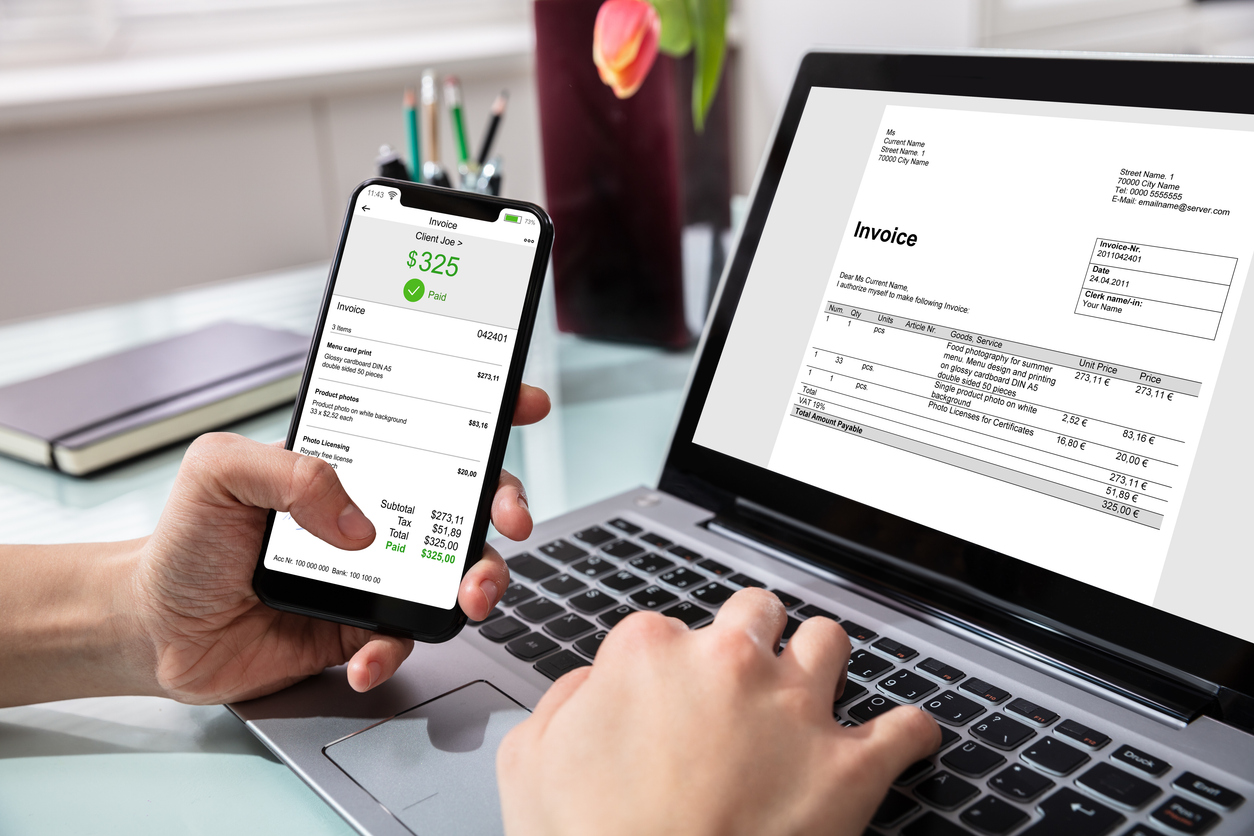
Operators should offer itemised billing that clearly shows how charges are calculated.
3. Strengthen Data Validation Processes
Accurate mediation systems ensure that only verified data is used for billing.
4. Enhance Customer Communication
Clear notifications for deductions, renewals, and service activations improve transparency.
5. Invest in Audit and Compliance Tools
Regular audits and automated checks help identify discrepancies early.
The Role of Supply Chain and Infrastructure Support
Billing transparency is not only a software issue. It depends heavily on reliable infrastructure, including servers, network equipment, and data centres. Delays in sourcing or maintaining these components can disrupt billing systems.
Wigmore Trading supports telecom operators in Nigeria by:
- Sourcing essential telecom infrastructure and hardware globally
- Managing import and customs clearance efficiently
- Providing warehousing and distribution solutions
- Ensuring timely delivery of critical equipment
By strengthening supply chains, telecom companies can maintain stable systems that support accurate and transparent billing operations.
Regulatory Outlook and Industry Trends
Nigeria’s telecom sector is evolving toward stricter compliance and improved consumer protection. Key trends include:
- Increased NCC oversight on billing practices
- Adoption of digital self-service platforms for customers
- Integration of AI tools for billing accuracy and fraud detection
- Expansion of data services requiring more advanced billing systems
Operators that prioritise transparency will be better positioned to meet regulatory requirements and customer expectations.
Conclusion
Telecom billing transparency in Nigeria is essential for building trust, ensuring compliance, and maintaining financial accuracy. As telecom services become more complex, operators must invest in systems and processes that provide clear and reliable billing information.
Strong infrastructure, accurate data processing, and efficient supply chains all contribute to achieving this goal.
Wigmore Trading can help. Contact Wigmore Trading today to streamline your sourcing.
No Comments Yet.





Comments are closed.