
Telecom Operations Software in Nigeria: A Practical Guide for Operators
Talk to us about this service
Trade, import, logistics, sourcing — whatever you're planning, the fastest way to a quote is a WhatsApp message. Our team replies during Lagos business hours.
WhatsApp usYour message tells us which page you came from
Nigeria’s telecommunications industry continues to expand alongside rising demand for data, mobile services, and digital connectivity. To manage this growth effectively, operators rely on advanced systems collectively known as telecom operations software in Nigeria.
These platforms support everything from network monitoring and billing to customer management and regulatory compliance. This article explores how telecom operations software works, the challenges operators face, and how reliable logistics and sourcing partners can support infrastructure and system performance.
What Is Telecom Operations Software?
Telecom operations software refers to integrated digital systems that help telecom providers manage their networks, customers, and revenue streams efficiently.
Core Components of Telecom Operations Software in Nigeria
- Operations Support Systems (OSS): Monitor network performance and manage infrastructure
- Business Support Systems (BSS): Handle billing, customer data, and service management
- Network Management Tools: Track uptime, faults, and performance metrics
- Customer Relationship Management (CRM): Manage subscriber interactions and service delivery
- Revenue Assurance Systems: Detect billing errors and prevent revenue loss
These systems work together to ensure smooth telecom operations in a high-demand environment like Nigeria.
Why Telecom Operations Software Is Critical in Nigeria
Nigeria’s telecom sector faces unique operational demands due to its scale and complexity.
Managing High Subscriber Volumes
With millions of active users, telecom operators must process vast amounts of data daily. Efficient software ensures accurate billing and seamless service delivery.
Supporting Diverse Services
From voice and SMS to mobile data and fintech integrations, telecom operations software must handle multiple service types within a unified system.
Ensuring Regulatory Compliance
Operators must comply with Nigerian Communications Commission (NCC) guidelines, including data reporting and interconnect regulations.
Maintaining Network Reliability
Frequent monitoring and predictive maintenance tools help reduce downtime and improve service quality.
Key Challenges Facing Telecom Operators
Infrastructure Constraints
Power supply issues and network coverage gaps can impact system performance and uptime.
Integration Complexity
Legacy systems often need to integrate with modern cloud-based platforms, creating technical challenges.
Data Security Risks
Handling sensitive subscriber data requires strong cybersecurity frameworks.
Supply Chain Disruptions
Delays in sourcing hardware, replacement parts, or network equipment can affect operations.
Improving Efficiency with Telecom Operations Software in Nigeria
Adopt Scalable, Cloud-Based Solutions
Cloud platforms allow operators to scale quickly as demand grows without heavy upfront infrastructure costs.
Automate Core Processes
Automation reduces manual errors in billing, provisioning, and reporting.
Strengthen Data Analytics Capabilities
Real-time insights help operators make informed decisions and optimise network performance.
Enhance System Integration
Using standardised APIs improves compatibility between different platforms.
The Role of Supply Chain and Logistics in Telecom Operations
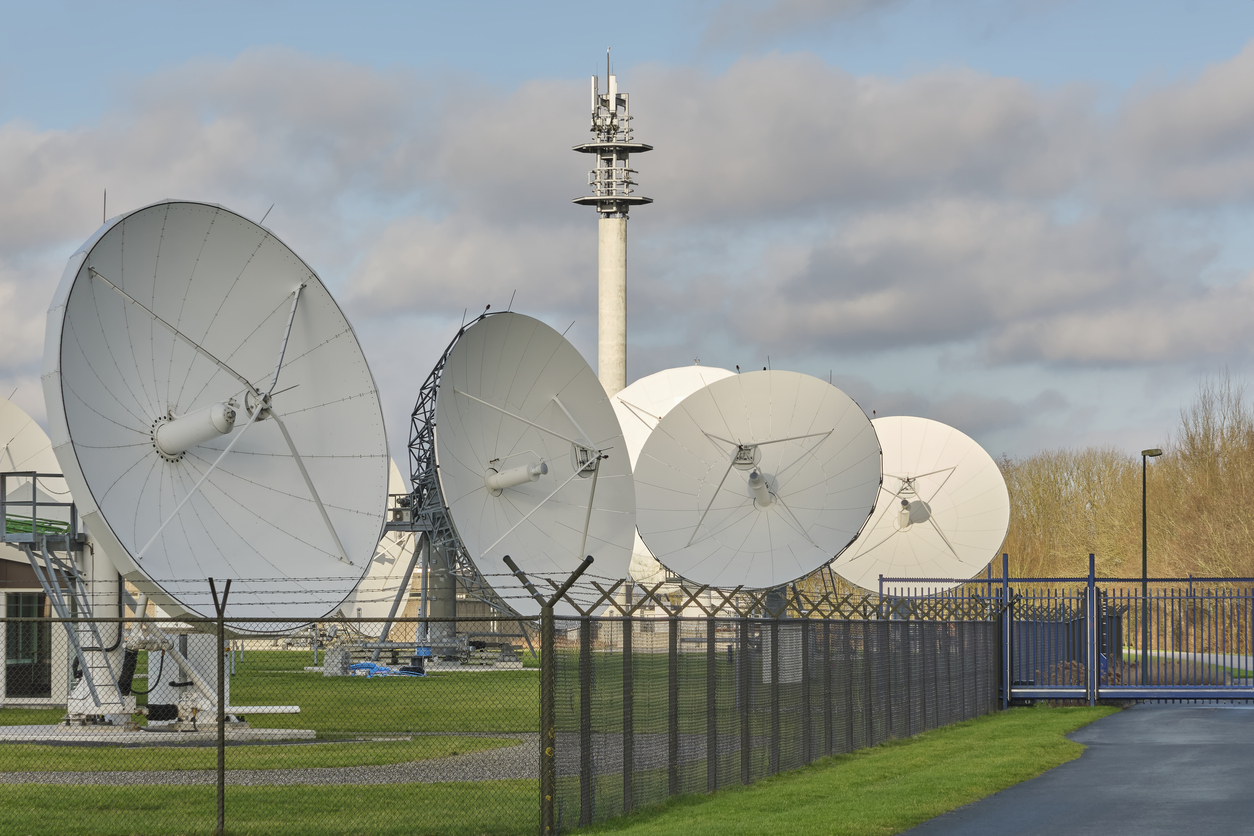
Telecom operations software depends heavily on physical infrastructure such as servers, base stations, cables, and networking equipment. Ensuring these components are available when needed is critical.
Delays in procurement or distribution can lead to:
- Network downtime
- Reduced service quality
- Delayed system upgrades
- Increased operational costs
This highlights the importance of reliable sourcing and logistics support.
How Wigmore Trading Supports Telecom Operations
Wigmore Trading plays a practical role in supporting telecom operators in Nigeria by ensuring access to essential equipment and efficient supply chain management.
Key support areas include:
- International sourcing of telecom hardware and components
- Import/export management and customs compliance
- Warehousing and inventory management
- Nationwide distribution of equipment and spare parts
By streamlining procurement and logistics, operators can focus on optimising their telecom operations software and service delivery.
Future Trends in Telecom Operations Software
The evolution of telecom operations software in Nigeria is shaped by emerging technologies and market demands.
5G and Increased Data Demand
Advanced networks require more sophisticated monitoring and management tools.
Artificial Intelligence and Automation
AI-driven systems improve fault detection, customer support, and revenue assurance.
Cloud-Native Architectures
Flexible deployment models enable faster updates and scalability.
Integration with Digital Services
Telecom platforms are increasingly connected to fintech, e-commerce, and digital content services.
Conclusion
Telecom operations software in Nigeria is essential for managing complex networks, delivering reliable services, and maintaining regulatory compliance. As the industry grows, operators must invest in scalable, integrated systems while ensuring their infrastructure is supported by efficient supply chains.
Combining advanced software with dependable sourcing and logistics helps telecom providers maintain performance and reduce operational risks.
Wigmore Trading can help. Contact Wigmore Trading today to streamline your sourcing.
No Comments Yet.





Comments are closed.