
Telecom Revenue Leakage Prevention in Africa: Strategies for Sustainable Growth
Talk to us about this service
Trade, import, logistics, sourcing — whatever you're planning, the fastest way to a quote is a WhatsApp message. Our team replies during Lagos business hours.
WhatsApp usYour message tells us which page you came from
Africa’s telecommunications sector continues to expand rapidly, driven by increasing mobile penetration, digital payments, internet adoption, and growing demand for data services. However, alongside this growth comes a major operational challenge: telecom revenue leakage.
For operators across the continent, even small inefficiencies in billing, interconnect management, or network operations can result in significant financial losses over time. Effective telecom revenue leakage prevention in Africa has become essential for improving profitability, regulatory compliance, and operational efficiency.
This article explores the causes of telecom revenue leakage, prevention strategies, and how reliable logistics and supply chain support can strengthen telecom operations across African markets.
What Is Telecom Revenue Leakage?
Telecom revenue leakage refers to the loss of revenue due to errors, fraud, process failures, or system inefficiencies within telecom operations. These losses often occur before revenue is billed or collected.
Revenue leakage can affect:
- Mobile network operators
- Internet service providers
- Wholesale telecom carriers
- Infrastructure providers
In highly competitive African telecom markets, preventing leakage is critical for maintaining margins and funding infrastructure investments.
Common Causes of Telecom Revenue Leakage in Africa
Billing and Rating Errors
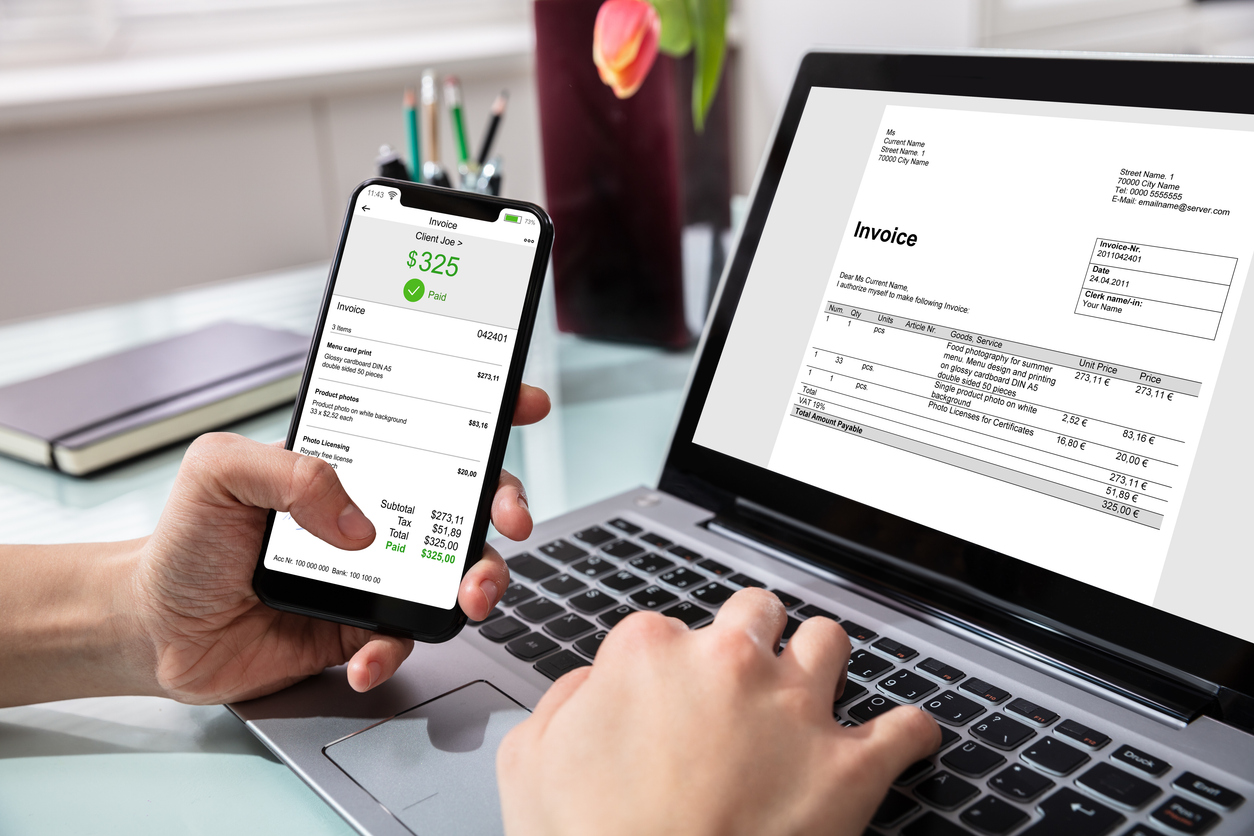
Incorrect tariff configurations or outdated billing systems can result in inaccurate customer charges. Even minor discrepancies across millions of transactions can create substantial losses.
Interconnect and Roaming Disputes
Telecom operators exchange large volumes of traffic daily. Errors in call detail records (CDRs), settlement calculations, or reconciliation processes may lead to underpayments.
SIM Box and Bypass Fraud
Fraudsters often route international traffic through illegal gateways to avoid official termination charges. This remains a major issue in several African markets.
Data Loss During Network Processing
Poor mediation systems or hardware failures can cause incomplete or lost usage records before they reach billing platforms.
Weak Internal Controls
Lack of operational oversight, poor auditing processes, or delayed reconciliations can increase leakage risks.
Why Telecom Revenue Leakage Prevention Matters
Protecting Profitability
Revenue assurance directly impacts operator margins. Recovering lost revenue improves financial sustainability and supports network expansion.
Supporting Regulatory Compliance
African telecom regulators increasingly require accurate reporting, taxation, and transparent settlement practices.
Improving Customer Trust
Accurate billing reduces disputes and enhances customer satisfaction.
Strengthening Investor Confidence
Efficient financial controls demonstrate operational maturity and reduce business risk.
Key Strategies for Telecom Revenue Leakage Prevention in Africa
Invest in Revenue Assurance Systems
Modern revenue assurance platforms can identify inconsistencies between network usage and billed revenue.
Key capabilities include:
- Real-time monitoring
- Automated reconciliation
- Fraud detection analytics
- Traffic verification
Strengthening Telecom Billing Infrastructure
A reliable billing environment is essential for reducing leakage.
Upgrade Legacy Rating Engines
Outdated systems often struggle with modern telecom services such as:
- Mobile money
- 5G services
- Streaming bundles
- IoT connectivity
Scalable rating engines improve charging accuracy and reduce manual errors.
Improve Data Mediation Systems
Mediation platforms ensure that network data is accurately captured and transferred to billing systems.
Fraud Prevention in African Telecom Markets
Fraud management remains a critical component of telecom revenue leakage prevention in Africa.
Common Fraud Risks
- SIM box fraud
- International bypass
- Subscription fraud
- Insider fraud
- Identity manipulation
Effective Prevention Measures
Operators can reduce risks through:
- AI-driven traffic monitoring
- Real-time anomaly detection
- Network traffic audits
- Stronger KYC verification processes
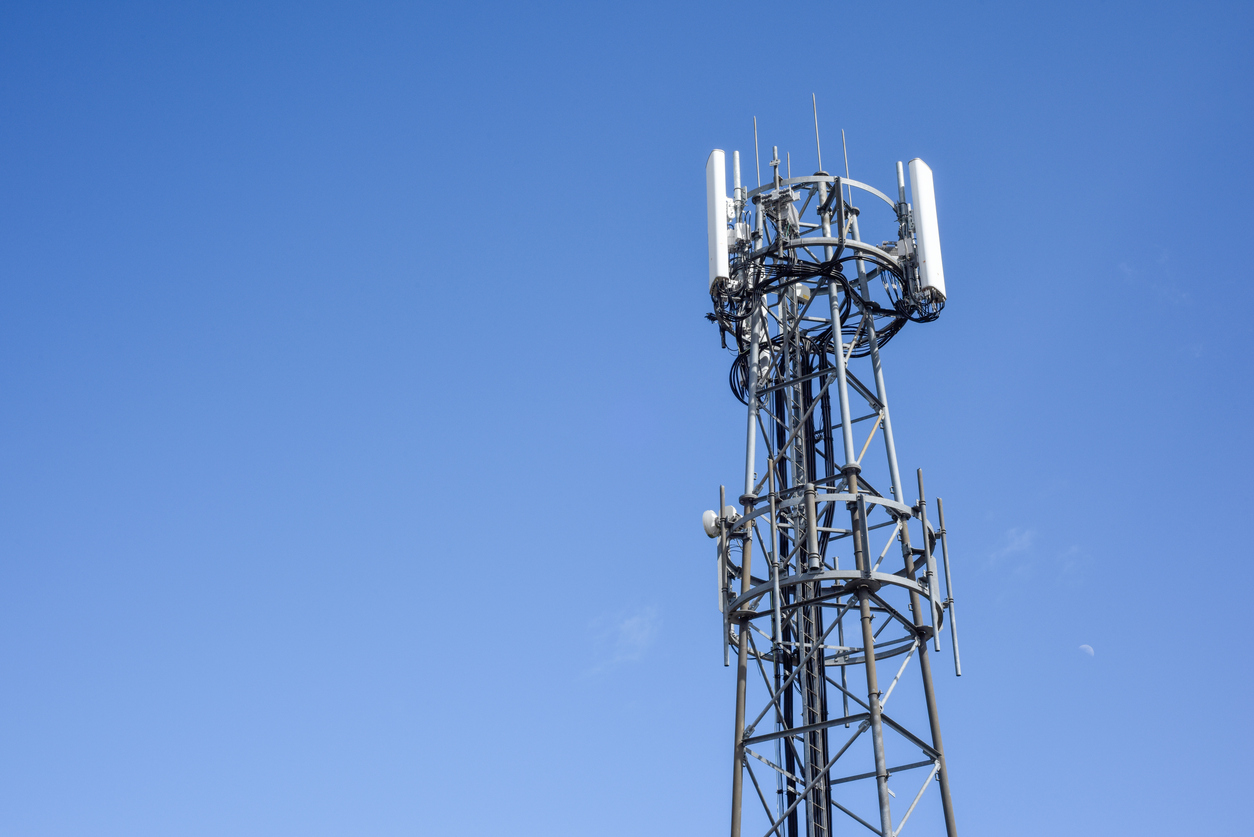
The Role of Infrastructure and Supply Chains
Revenue assurance is not only a software challenge. Physical infrastructure reliability also affects telecom performance.
Telecom operators require:
- Reliable hardware sourcing
- Secure equipment transportation
- Spare parts availability
- Efficient warehousing and distribution
Delays in replacing faulty equipment or maintaining network infrastructure can increase downtime and operational inefficiencies.
How Wigmore Trading Supports Telecom Operations in Africa
Wigmore Trading supports businesses across Africa with sourcing, logistics, import/export management, and supply chain coordination.
For telecom operators and infrastructure providers, this can include:
- International sourcing of telecom equipment and components
- Freight forwarding and customs support
- Warehousing and regional distribution
- Supply chain coordination for infrastructure projects
Reliable logistics and procurement processes help telecom businesses maintain operational continuity and reduce risks linked to equipment shortages or delays.
The Future of Revenue Assurance in Africa
As telecom services become more digital and data-intensive, revenue assurance systems will continue evolving.
Emerging trends include:
- AI-powered fraud analytics
- Cloud-based revenue management platforms
- Real-time settlement systems
- Automated compliance reporting
- Blockchain-enabled transaction verification
Operators that invest in strong revenue leakage prevention strategies will be better positioned to scale efficiently across African markets.
Conclusion
Effective telecom revenue leakage prevention in Africa is essential for improving profitability, strengthening compliance, and supporting sustainable telecom growth.
From billing accuracy and fraud prevention to infrastructure reliability and operational oversight, telecom operators must adopt a comprehensive approach to revenue assurance.
Strong logistics, sourcing, and supply chain support also play a role in maintaining network efficiency and operational resilience.
Wigmore Trading can help. Contact Wigmore Trading today to streamline your sourcing.
No Comments Yet.





Comments are closed.