
Steel, Refined Copper and Plastic Sheeting from Japan: Bulk Buying Guide
Talk to us about this service
Trade, import, logistics, sourcing — whatever you're planning, the fastest way to a quote is a WhatsApp message. Our team replies during Lagos business hours.
WhatsApp usYour message tells us which page you came from
Bulk industrial materials should be purchased against an agreed specification and test basis. “Japanese steel” or “high-quality plastic” does not tell a fabricator whether the material will perform in its process. Clear grades, dimensions and acceptance limits make offers comparable and help avoid disputes.
Wigmore Trading welcomes enquiries for hot-rolled iron or steel products, flat-rolled steel, refined copper and plastic sheeting from Japan. Identify the exact material and application, and state the destination. Availability and the actual producer are confirmed for the proposed order.
Hot-rolled and other flat-rolled products
Specify the standard and grade, thickness, width, length or coil format, tolerance and surface requirement. Explain whether the material will be formed, welded, machined or used in a structural application. Have the responsible engineer approve substitutions.
The keyword “flat flat-rolled steel” is often used loosely. Clarify whether you need sheet, plate, strip or coil and whether the process is hot-rolled, cold-rolled, coated or another defined condition. Do not use a broad marketing label as a purchase specification.
Refined copper
State form, purity or composition requirement, dimensions and intended process. Cathodes, rod, sheet and other forms are different procurement items. Ask for the relevant batch evidence and identify the actual producer and trading chain.
Define weight determination, sampling and the process for disputed results. A supplier profile or a photograph of a branded bundle does not establish ownership, composition or availability of the offered material.
Raw plastic sheeting
Identify the polymer, sheet type, thickness, width, finish, colour and performance requirements. State whether virgin or recycled content is acceptable and whether contact with food, chemicals or outdoor conditions is part of the application.
Have the converter or end user approve a representative sample. A visually similar sheet can behave differently in forming, printing or service. Record approved alternatives and require consent before a supplier changes the formulation or source.
Documentation and quality checks
Request a specification and the relevant lot or heat test record. Check that identifiers, quantities and the supplied material match. Agree independent inspection or testing where the order value, application or supplier relationship justifies it.
Decide when inspection occurs and who bears the cost of a failure. Keep test methods and acceptance limits clear. Avoid arguing over general descriptions such as premium grade after delivery.
Packaging, handling and transport
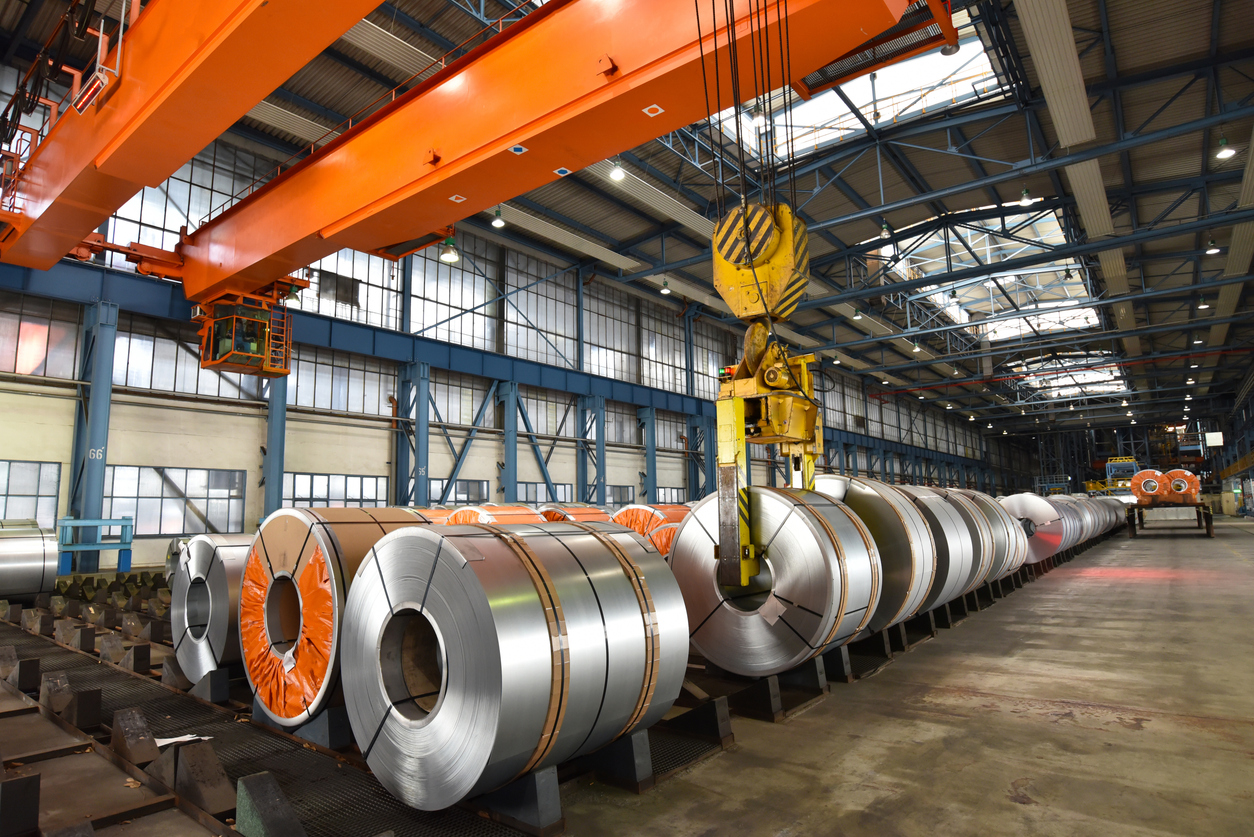
Coils, bundles and sheets can require specialised packing, handling and securing. Confirm unit and package weights, lifting arrangements and protection against corrosion or deformation. The forwarder needs the real shipping configuration, not just product weight.
Plan unloading and storage at the destination. Heavy material delivered without suitable handling equipment can create delays and damage. Define responsibility for moisture exposure, shortages and packaging condition.
Compare delivered cost and commercial terms
Confirm the quotation unit, weight basis, price validity and any adjustment mechanism. Include inspection, packing, origin handling, freight, insurance, destination clearance and delivery. A quoted tonne price is incomplete without the specification and named trade term.
For repeat supply, agree batch consistency, call-off quantities and how changes are approved. For a trial order, record the results before increasing volume. Do not commit to a production programme solely on the basis of an unverified sample.
Send a bulk-material sourcing brief
Provide the material standard, grade, dimensions, quantity, application, acceptance tests and destination. Include drawings or a current specification where available. Wigmore can assess sourcing and shipment scope, then request the evidence needed for a written quotation.
Additional product enquiries: specification checklist
The following product lines extend this guide’s buying brief. Give each line its own model, grade, quantity, intended use and destination, and ask the responsible technical or regulatory specialist to approve suitability before a supplier is appointed.
- Scrap Iron
- Iron Fasteners
- Coated Flat-Rolled Iron
- Scrap Copper
- Iron Pipes
- Semi-Finished Iron
- Cold-Rolled Iron
- Copper Foil
- Copper Plating
- Other Iron Products
- Large Flat-Rolled Stainless Steel
- Other Stone Articles
- Other Steel Bars
- Aluminium Foil
Industrial Minerals, Ores and Recycling Materials: purchasing distinctions
State the mineral or material, source, assay, moisture, particle size, contaminants and commercial quantity. Ores, processed minerals and scrap are different buying propositions. A headline metal content does not describe recovery costs, unwanted constituents or whether the destination plant can use the material.
Use a sampling and testing method appropriate to the lot, with an agreed laboratory and a process for resolving differences. For scrap and residues, define the permitted composition and exclusions. Ask for recent photographs and inspection of the actual material, but do not substitute photographs for assay or contamination evidence. For kaolin, abrasives and glass fibres, specify the industrial performance requirements as well as composition.
Steel, Copper, Aluminium and Fabricated Metal Products: purchasing distinctions
Provide the material grade, form, dimensions, tolerances and required quantity. Separate sheet, plate, coil, bar, pipe and finished structures. For copper, aluminium, stainless steel, titanium and nickel products, state the applicable composition and physical requirements. A generic metal description can conceal substantial differences in suitability and price.
Request mill or material certificates, identification marks and any inspection required by the application. For coated sheet, specify the substrate and coating requirements. For fasteners, fittings, springs and gaskets, add dimensions, connection type and service conditions. If supplied against drawings, define the revision, inspection points and treatment of non-conforming parts.
For these additional lines, define the inspection or test scope, required records, packing and receiving arrangements before comparing offers. Use the Japan sourcing directory for related materials, or compare US procurement guides when assessing alternative sources.
Related guides for your next step
- Buy and Export Products from Japan: Sourcing and Shipping with Wigmore Trading
- Industrial and Construction Machinery from Japan: Buyer and Export Guide
- Electronic Components and Electrical Equipment from Japan: Sourcing Guide
Discuss your requirement with Wigmore Trading
Send your product specification, quantity, destination and required date. Tell us whether you need sourcing, inspection coordination, consolidation or shipping. We can assess the brief and identify the information required for a written offer.
Book an initial consultationEmail your requirementsDiscuss on WhatsApp
Related services: shipping and logistics, storage enquiries and Wigmore Wholesale. Specific availability, responsibilities, prices and terms are confirmed for the enquiry.
Reviewed 29 October 2026. Images illustrate the topic and do not establish available stock, manufacturer appointment or an institutional partnership.

Comments are closed.